Plasma pen treatment can be appealing when fine lines, crepey texture or areas of lax-looking skin begin to change the way you feel about your reflection. Yet the most valuable plasma pen treatment review is not one that promises a dramatic overnight change. It is one that explains what the treatment involves, who may be suited to it, and why careful planning and healing time matter just as much as the procedure itself.
At ELKA Clinic, plasma pen treatments are approached as a personalised skin service, not a one-size-fits-all solution. The aim is to support a refreshed, naturally refined appearance while respecting your skin type, lifestyle and long-term goals.
What is plasma pen treatment?
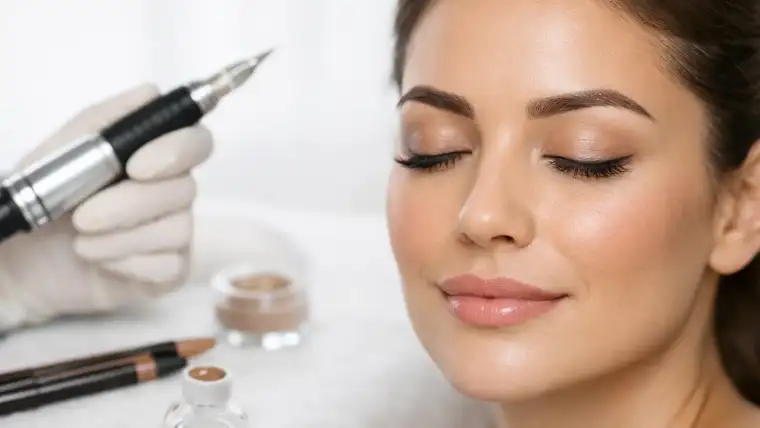
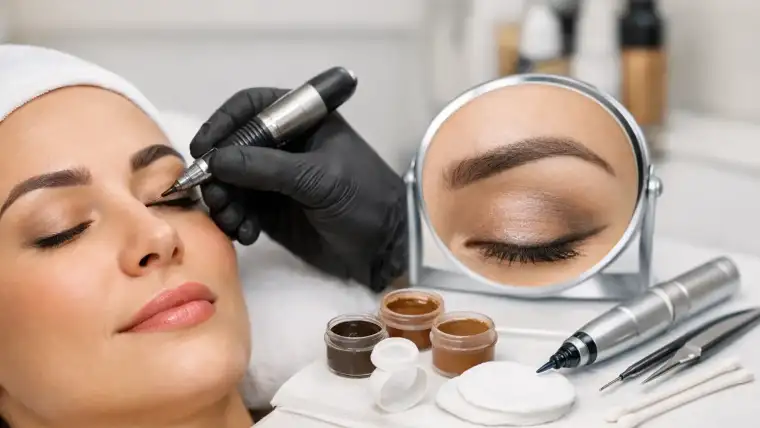
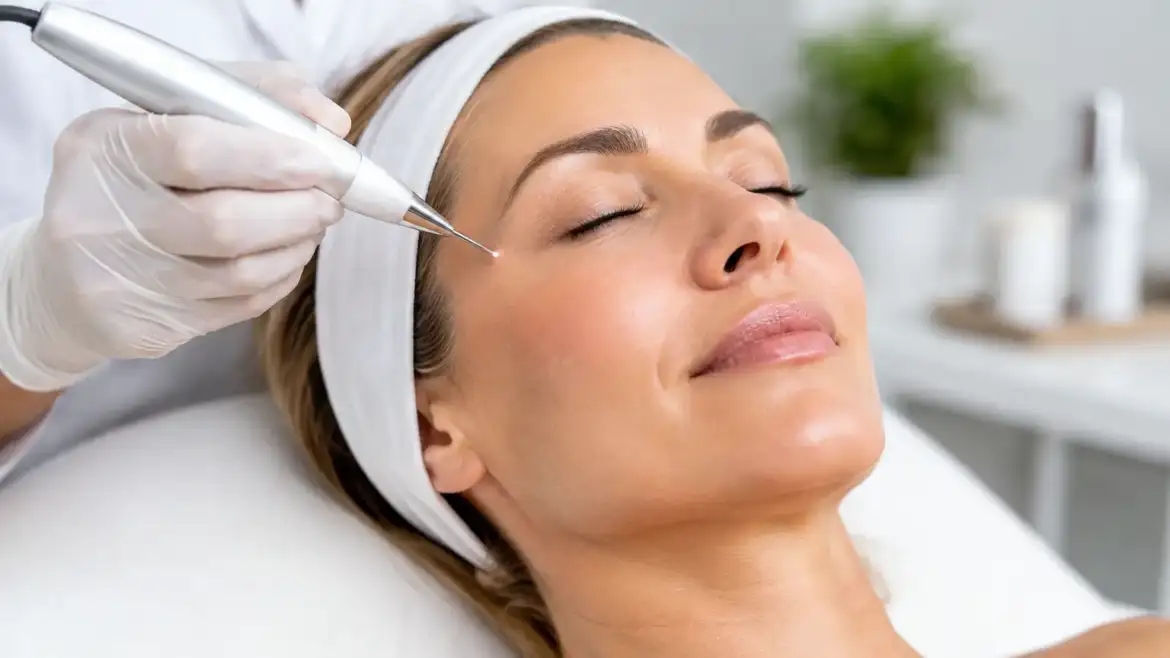
A plasma pen uses a small electrical arc to create controlled, superficial points on the skin. These tiny treatment points are designed to encourage the skin’s natural renewal response and can support a firmer, smoother-looking appearance as the area heals.
It is commonly considered for concerns such as fine lines, particularly around the eyes and mouth, as well as selected areas of loose-looking or textured skin. Some clients also enquire about cosmetic skin lesion concerns, pigmentation and melasma-related appearance. These concerns must always be assessed carefully during consultation, as not every area, skin type or concern is appropriate for treatment.
The technique is highly precise, but it is not a casual beauty treatment. The quality of the assessment, the practitioner’s control, the treatment design and the aftercare all influence the experience and the final healed appearance.
Plasma pen treatment review: what results can you expect?
The most honest answer is that results vary. Skin quality, age, sun exposure, the size and location of the treatment area, healing response and adherence to aftercare can all affect what you see. A plasma pen should be viewed as a gradual skin-renewal treatment rather than an instant transformation.
Immediately after treatment, the area will show a pattern of tiny carbon crusts. Swelling and redness can also occur, especially in delicate areas. This is an expected part of the visible healing process and should be factored into your plans before booking. The initial recovery is often the point that surprises clients who have only seen polished before-and-after images online.
Once the crusts have naturally shed, the skin can appear pink or tender for a period of time. The more settled result develops progressively as the skin continues its renewal process. Some clients notice a smoother, tighter-looking finish after one treatment, while others may require a staged plan to work towards their preferred level of improvement.
A responsible practitioner will not promise that a single session can erase every line or deliver identical results for every client. Natural-looking improvement is the appropriate goal: skin that appears more rested, refined and supported, without looking obviously treated.
The benefits clients often value
For the right client and concern, plasma pen treatment offers a focused way to address smaller areas without changing the character of the face. It can be especially appealing to people who want to improve the appearance of fine lines and skin texture while maintaining a soft, natural result.
Precision is a major advantage. A considered treatment plan can concentrate on the exact area that concerns you rather than treating skin broadly. This makes consultation particularly important. A few fine lines in one location may respond differently from similar-looking lines elsewhere, and mature skin requires a different level of care from younger, more resilient skin.
Clients also appreciate that treatment planning can be tailored around their lifestyle. If you have a busy diary, an upcoming event or regular sun exposure, timing needs to be discussed openly. The best plan is not simply the soonest available appointment. It is the one that gives your skin appropriate time and conditions to heal well.
The trade-offs to consider before booking
There is no meaningful review of plasma pen treatment without discussing the commitment involved. The treatment area is visible while it heals, and aftercare is not optional. You will need to allow the small crusts to shed naturally, avoid picking or rubbing the area, and follow the specific aftercare instructions provided by your practitioner.
Sun protection is also a serious consideration before and after treatment. Freshly treated skin is more vulnerable to unwanted changes in colour when exposed to UV. If your work, sport or lifestyle makes sun avoidance difficult, it may be wiser to schedule treatment for a time when you can protect the area properly.
Pigmentation risk is another reason treatment suitability must be assessed individually. Certain skin tones, skin histories and active skin concerns may require extra caution or may not be suitable for plasma pen treatment. A premium consultation should include clear questions about your skin, previous treatments, healing tendencies and desired outcome. If a practitioner cannot explain the limitations as clearly as the benefits, that is worth treating as a concern.
What a considered consultation should cover
A consultation is where a treatment becomes personal. Rather than simply identifying a line or area you would like changed, your practitioner should look at the quality of the skin, facial movement, symmetry, the surrounding area and how you would like to look once healed.
It should also be a straightforward conversation about the visible healing period. This is not the time for vague reassurance. You deserve to understand what the treated area may look like in the days and weeks afterwards, how to care for it, and when you can reasonably expect it to settle.
Your practitioner may recommend a conservative approach, a staged treatment plan or an alternative skin-focused option if plasma pen is not the best match for your goals. That is not a disappointing outcome. It is the sign of a clinic that values skin integrity and long-term satisfaction over treating every enquiry.
Questions worth asking at your consultation
Ask to see healed results where possible, not only images taken straight after a procedure. Discuss whether your chosen area is suitable for your skin type, what the expected healing timeline looks like, and whether more than one session may be appropriate. You should also feel comfortable asking how aftercare will be supported and what to do if you have concerns during healing.
A polished consultation leaves you informed rather than pressured. You should understand both the potential improvement and the practical commitment before making a decision.
Preparing for treatment and supporting healing
Preparation begins with honesty about your skin and your schedule. Let your practitioner know about any recent skin changes, sensitivities or treatments, and follow any pre-treatment guidance you are given. Avoid planning plasma pen treatment immediately before a holiday, major celebration or period where you cannot manage the aftercare properly.
After treatment, a light-touch approach is usually best. Do not pick the carbon crusts or attempt to speed up the process. The skin needs time to move through its natural healing stages. Keep the area protected as instructed, avoid unnecessary friction, and be diligent with sun avoidance and protection.
Healing can test patience, particularly when the area looks more noticeable before it looks better. This is where realistic expectations matter. A treatment chosen thoughtfully, performed precisely and allowed to heal without interference has the best chance of settling into a refined result.
Is plasma pen right for you?
Plasma pen may suit clients seeking targeted improvement in the appearance of fine lines, texture or lax-looking skin, and who can commit to a visible healing period and conscientious aftercare. It can be particularly worthwhile for those who value subtle enhancement over an overdone result.
It may be less suitable if you need immediate social downtime, have significant sun exposure ahead, are uncertain about your skin’s healing behaviour, or hope for a guaranteed dramatic change. In those cases, a consultation can provide clarity without obligation.
The right treatment should feel considered from the beginning. When you choose a practitioner who assesses your skin carefully, explains the process honestly and prioritises healed results, you can make your decision with confidence and give your skin the patient care it deserves.