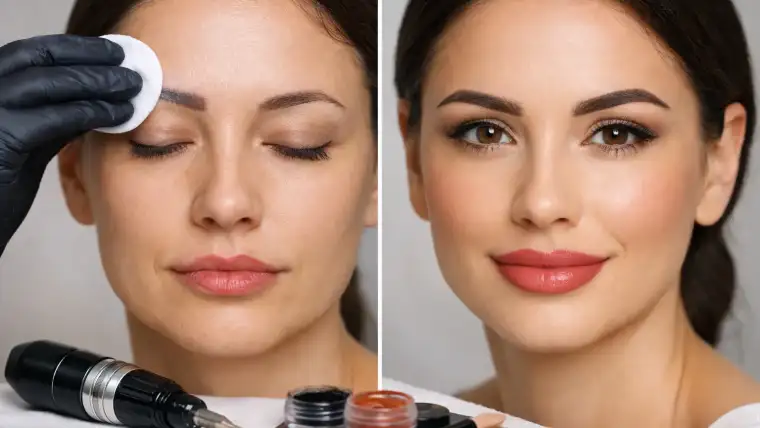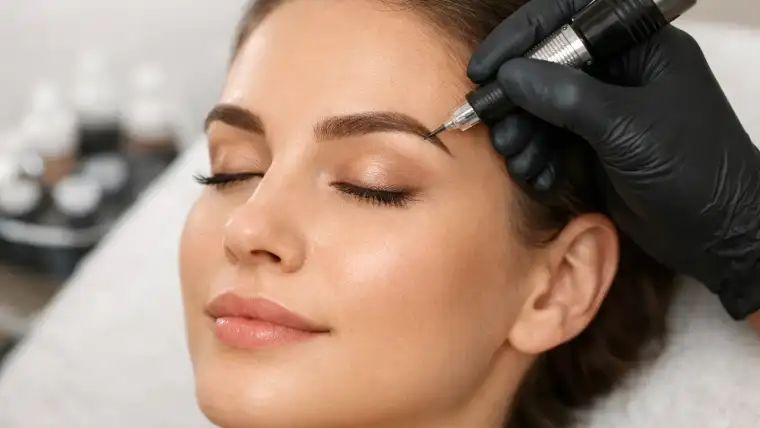
Fresh cosmetic tattoo brows can look beautifully defined on day one, then darker, drier and more textured before they settle into their softer healed colour. This is a normal part of the process, but it also makes aftercare feel surprisingly high-stakes. Knowing how to clean tattooed brows safely helps protect the detail your artist has created while allowing the skin to heal without unnecessary disruption.
The first rule is simple: your artist’s individual aftercare instructions come first. Brow techniques, skin type, lifestyle and the condition of the skin on the day can all influence whether a client is advised to use a dry-healing or gentle cleansing approach. The aim is never to scrub, soak or over-treat the area. It is to keep the brows clean, calm and undisturbed.
Why brow cleaning needs a gentle approach
Cosmetic tattooing places pigment precisely within the skin to create soft, natural-looking hair strokes, shading or a combination of both. In the days that follow, the skin begins its renewal process. The brows may release a small amount of clear fluid early on, then form fine flaking or light scabbing as they dry.
Cleaning too aggressively can lift flakes before they are ready, irritate the skin and affect how evenly the colour settles. On the other hand, leaving the area unclean may allow perspiration, skincare residue or everyday debris to build up. The balance is gentle hygiene with as little friction as possible.
It is also worth remembering that brows do not all heal identically. Mature skin, oilier skin, very dry skin and previously tattooed brows can each behave differently. A premium cosmetic tattoo treatment is customised from the initial design through to the healing plan, so generic social media advice should never override the guidance you were given at your appointment.
How to clean tattooed brows safely in the first days
Before touching your brows, wash your hands thoroughly and dry them with a clean towel or disposable paper towel. Avoid cleaning them immediately after preparing food, applying skincare or handling pets, as even small traces of product or residue can transfer to the area.
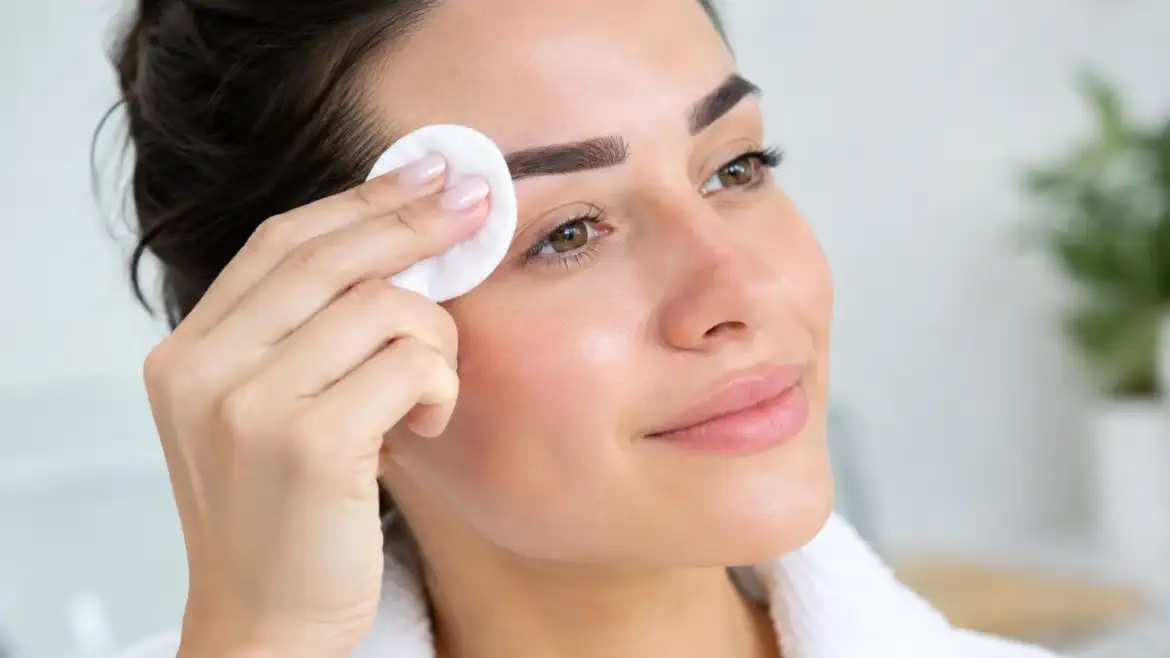
If your artist has advised gentle cleansing, use only the product and method they have recommended. This commonly means lightly cleansing the brow area with clean hands or a soft, clean cotton pad, using minimal pressure. Work around the brow shape rather than rubbing back and forth through it. The movement should be delicate enough that you are lifting surface residue, not trying to remove flaking skin.
Pat the brows dry rather than wiping them. A clean disposable paper towel is usually preferable to a reusable face towel, which can hold moisture, fibres and product residue. Press very lightly, then allow the area to air dry fully before applying any aftercare product your artist has supplied or approved.
If you have been instructed to keep your brows dry, follow that plan carefully. Dry healing does not mean ignoring hygiene. It means avoiding unnecessary water, cleansers and creams while keeping the area protected from dirt, sweat and touching. Your artist may still give you a specific method for managing the first day or two, particularly if there is surface fluid. The details matter, so follow them exactly.
Keep water exposure brief and controlled
A quick shower is usually manageable, but long, hot showers create steam and soften healing skin. Keep your face out of the direct water stream and avoid letting shampoo, conditioner or body wash run over the brows. When washing your face, cleanse around the brow area instead of across it.
Swimming, spas, saunas and steam rooms should be avoided during the healing period advised by your artist. These environments combine prolonged moisture, heat and exposure to substances that are not suitable for freshly treated skin. Even a perfectly clean pool is not the place for new cosmetic tattoo brows.
What not to put on healing brows
The desire to make brows feel less dry or flaky can lead to over-application of products. More product does not mean better healing. Thick layers can make the area overly moist, attract debris and interfere with the natural healing process.
Avoid applying your usual skincare directly over the brows until your artist confirms it is appropriate. This includes cleansers, exfoliating products, retinoid products, oils, serums, moisturisers and any active skincare ingredients. These products may be excellent elsewhere on your face, but freshly tattooed brows need a simpler routine.
Do not use make-up over or directly around the treated area while it is healing. Powders and complexion products can settle into flakes, while brushes and sponges can create unwanted friction. It may feel inconvenient for a few days, but allowing the brow area to remain clean and bare is a worthwhile part of protecting a refined healed result.
Most importantly, do not pick, scratch or peel. Flaking can look uneven, especially when one brow sheds faster than the other. This does not mean the result is uneven. Let the skin release naturally. Pulling at a flake can remove pigment that is still settling beneath it.
Managing sweat, sleep and everyday life
For the initial healing period, avoid activities that cause heavy sweating, as advised by your artist. Gentle movement may be suitable for some clients, but high-intensity training can introduce excess moisture and salt to the brow area. If you do perspire, do not rub the brows with a gym towel. Gently blot around the area with a clean paper towel and return to your aftercare plan.
At night, try to sleep on your back where possible and use a clean pillowcase. Side sleepers do not need to panic, but repeated friction against bedding is best avoided. Keep pets away from your face while you sleep, and avoid pulling blankets up over the brow area.
Sun exposure also deserves care. Fresh brows should be shielded from direct sun, but avoid applying sunscreen to the healing area unless your artist specifically says it is suitable at that stage. A hat that sits above the brows without rubbing them can be a practical option outdoors. Once healing is complete, ongoing sun protection around the brow area can help preserve the softness of the colour over time.
Understand the healing changes before judging the colour
Many clients feel concerned when their brows become darker, appear slightly warmer or seem to fade dramatically during the peeling stage. These changes are expected. As the surface skin renews, the pigment can look temporarily muted or patchy before it settles.
This is why cleaning should be calm and consistent rather than reactive. Trying to correct the appearance by adding products, exfoliating flakes or washing more often can create more uncertainty, not less. Allow the healing timeline to unfold, then attend your recommended perfection appointment if one has been planned. This is the appropriate time to assess colour retention, symmetry and any areas that may benefit from refinement.
When to contact your artist
Reach out to your artist if you are unsure whether a product has touched the brows, if you have accidentally soaked them, or if you are not clear on the cleansing instructions you received. Early reassurance is far better than guessing.
You should also seek prompt professional advice if the area appears to be reacting in a way that feels unusual for you, such as escalating discomfort, significant swelling or widespread irritation. Your cosmetic tattoo artist can advise on treatment-specific aftercare, while a suitable healthcare professional can help with concerns outside the expected healing process.
At ELKA Clinic, aftercare is treated as part of the artistry, not an afterthought. Soft, elegant brows are created through precise treatment design and protected through thoughtful healing support. Be gentle, follow your personalised plan and give your brows the quiet time they need to settle into their most natural result.