
Cheek Blush FAQs
Specific answers for people already considering cheek blush tattoo: how soft it really looks, how it differs from blush and from filler, colour choice, pain, the two-week heal, longevity and cost.
Forty-two questions, grouped by stage of the decision. If you are still working out what the treatment involves, start with the cheek blush service page and come back here for the detail.
Information reviewed August 2026 · Treatments performed by Samira, Senior Cosmetic Tattoo Artist
Jump Straight To Your Question
About Cheek Blush Tattoo
The least understood of the cosmetic tattoo treatments, and the one where the gap between what people imagine and what is actually done is widest.
What is cheek blush tattoo?
Cheek blush tattoo is a very soft, diffused wash of pigment placed into the upper layers of the skin across the cheeks, designed to mimic a natural flush rather than a made-up blush.
It is applied in extremely fine layers with a fine needle, building colour gradually so there is no edge and no defined shape. Done properly it should not read as a product sitting on the face. It should read as good colour in the skin.
It is the softest and lightest of everything we tattoo. Density is deliberately kept low, because on a large flat area like the cheek, too much pigment is very obvious and very hard to undo.
Will it look like I am wearing blush?
Not in the way people fear. The result most clients describe is looking well rested, or looking like they have just come in from a walk.
The reason it reads as natural is that a real flush is strongest across the apples and the upper cheek and fades outward with no boundary. That is what is replicated. There is no stripe, no contour line and no sharp finish.
If you want a more defined, made-up look on a given day, powder or cream blush goes straight over the top of it.
How does cheek blush tattoo compare with makeup?
Makeup sits on the surface, is fully changeable, and comes off with sweat, humidity, masks, swimming and the end of a long day. Cheek blush tattoo sits in the skin, does not move, and is there when you wake up.
The trade-off is flexibility. Tattooed colour is a fixed baseline for a year or more, so the shade has to be one you are happy with across seasons, not one chosen for a particular outfit.
Most clients who have it done still own blush. They simply need it far less often.
How does it compare with dermal filler?
They do completely different jobs and are not alternatives to one another.
Filler adds volume and changes the shape and projection of the cheek. It is injected deeper, it is a medical treatment, and it alters structure.
Cheek blush tattoo adds colour only. It changes nothing about volume, contour or lift. What it can do is make a flat-looking cheek read as healthier, which sometimes reduces how much someone feels they need structurally.
Cheek blush is not tattooed over recently filled cheeks. Allow the filler to fully settle first.
Is it the same as freckle tattooing or sun-kissed tattooing?
No, although they are often offered by the same clinics. Freckle tattooing places individual dots of pigment; cheek blush places a diffuse veil with no discrete marks.
They can be combined, but they heal differently and they are designed separately. If you are interested in both, raise it at consultation so the plan accounts for it.
Suitability
Cheek blush works on a wide range of skin, but the cheek is exposed, mobile and sun-facing, which makes some skin types more predictable than others.
Who is cheek blush tattoo best suited to?
It suits people whose skin reads pale or flat, people who wear blush most days and would rather not, people with minimal-makeup routines who still want to look well, and people with active lifestyles where makeup does not survive the day.
It also suits mature and drier skin, where powder blush tends to sit in texture and emphasise it.
It suits you less well if you like to change your look dramatically, if you are after strong contoured colour, or if you are not prepared to be diligent with sunscreen afterwards.
Does it work on all skin tones?
Yes, but the pigment formulation and the number of layers change considerably.
On deeper skin tones the pigment has to work with the existing melanin rather than against it, which usually means a warmer, richer mix placed even more sparingly. Cool pink shades that look natural on fair skin can read ashy on deeper skin.
Colour is always mixed at the appointment against your own skin in natural light, never selected from a chart in advance.
Does it work on mature or textured skin?
Often very well. Because the technique lays down a veil rather than a defined shape, it does not catch in fine lines the way powder does.
What does change with mature skin is retention. Thinner, drier skin can hold less pigment on the first pass, so a touch-up is more likely to be doing real work rather than just refining.
Very lax or crepey skin on the cheek is assessed in person, because pigment applied to skin that moves a lot can distribute unevenly.
What about acne, rosacea or pigmentation on the cheeks?
Active acne on the cheeks means treatment is postponed. Tattooing through inflamed or infected skin risks scarring and unpredictable colour.
Rosacea is assessed individually. Skin that flushes strongly already may not need pigment at all, and tattooing over reactive skin can be unpredictable. In many rosacea cases the honest recommendation is not to proceed.
Melasma and post-inflammatory pigmentation on the cheeks also need care, since any skin injury can trigger further pigmentation in prone skin. This is discussed properly at consultation rather than dismissed.
When should cheek blush be delayed or avoided?
Delayed if you are pregnant or breastfeeding, if the cheek skin is broken, sunburnt, actively breaking out or recently peeled, if you have had a facial, laser, peel or microneedling in the previous four weeks, or if you have had recent dermal filler that has not settled.
Generally avoided or requiring medical clearance with uncontrolled diabetes, active autoimmune conditions, clotting disorders, current isotretinoin use, chemotherapy or radiotherapy, a keloid scarring history, or known pigment allergy.
If you tan frequently or spend long periods in the sun without protection, understand in advance that your result will fade faster than average.
Can I have cheek blush at the same time as brows or lips?
It is usually planned as a separate appointment. Combining treatments extends the time you are in the chair considerably and it also means healing several areas of the face at once.
Where clients want more than one treatment, we generally sequence them so that each is healed and assessed before the next begins. That way colour choices for the second treatment can account for how the first actually healed.
The Procedure
A long appointment, most of which is spent deciding rather than tattooing.
What happens during a cheek blush appointment?
Consultation first: skin assessment, medical history, a discussion of how much colour you actually want, and a realistic picture of how it heals.
Then colour and placement design. Pigment is mixed against your skin and swatched. Placement is mapped while you are sitting upright and smiling, because the apple of the cheek moves and its position at rest is not where colour should be centred.
Then numbing, then the first light layer of pigment, then further layers built up gradually with checks in a mirror between passes.
Finally aftercare instructions and your healed review or touch-up is discussed before you leave.
Does cheek blush tattoo hurt?
It is generally reported as the most comfortable of the cosmetic tattoo treatments. The cheek is not as sensitive as the lash line or the lip, and the technique is light and superficial.
Most clients describe a scratching or warm sandpaper sensation. Topical anaesthetic is used, and a secondary anaesthetic once the skin is open.
Sensitivity is higher in the days before and during a period, and with high caffeine intake.
How long does the appointment take?
Allow around two hours for a first appointment. Design, colour mixing and numbing account for a good portion of it.
The touch-up appointment is shorter, usually around an hour to ninety minutes.
How is the shape and placement decided?
By your face, not by a stencil. The reference points are where you naturally flush, the position of the apples when you smile, the height of the cheekbone, and where the colour needs to stop so it does not drift toward the eye or the jaw.
Faces are asymmetrical, so placement is balanced rather than mirrored. Colour is checked repeatedly in a mirror at a normal viewing distance, not up close, because that is how other people will see it.
Can I see the colour before you commit to it?
Yes. Pigment is swatched on your skin and the first layer is deliberately lighter than the target so you can see the direction before more is added.
It is always possible to add another layer. It is very difficult to take one away. That asymmetry drives the whole approach.
Healing
Two weeks for the surface, six to eight weeks for the truth. Cheek blush has the most dramatic difference between day one and the healed result of anything we do.
How long does cheek blush take to heal?
Around two weeks for the skin surface, which is the standard healing window for all cosmetic tattoo at ELKA CLINIC.
Colour continues to settle for another four to six weeks beyond that. The healed result is assessed at six to eight weeks, and the touch-up is scheduled from that point.
What does cheek blush healing look like day by day?
Much stronger than the target for the first few days, then flaking, then a phase where it looks almost gone, then a gradual return.
| Stage | What the cheeks do | What to do |
|---|---|---|
| Day 1 | Noticeably brighter and more saturated than the intended result. Skin may feel warm and slightly swollen. | Keep clean and dry. Apply the supplied balm sparingly. Do not apply makeup over the area. |
| Days 2–3 | Colour still strong, warmth settles, skin begins to feel tight and dry. | Continue gentle cleansing and balm. No exfoliants, no actives, no facials. |
| Days 4–10 | Fine flaking across the treated area. Colour begins to lift away with the flakes. | Let it shed on its own. Do not pick or exfoliate. Picking is the main cause of patchy healed colour. |
| Days 10–14 | Colour looks faint, sometimes barely visible. This is the phase clients worry about most. | Wait. Pigment is still settling beneath new skin. Nothing has gone wrong. |
| Weeks 4–8 | Colour resurfaces softly and evens out. The true healed tone becomes visible. | Attend your healed review. Decide together whether the touch-up should add depth. |
Why does it look so much stronger on the day?
Because you are looking at pigment sitting in freshly traumatised skin with fluid and redness around it, before any of it has been shed or settled.
Expect to lose a meaningful proportion of what you see on day one. That is normal, it is accounted for in how the colour is placed, and it is exactly why a result should never be judged before six weeks.
What aftercare does cheek blush need?
Keep it simple. Cleanse gently with lukewarm water and a mild non-foaming cleanser, pat dry, apply the supplied balm thinly as directed.
Avoid for the full two weeks: makeup over the treated area, exfoliants, retinol, vitamin C, acids, facials, saunas, steam rooms, swimming pools, spas, heavy sweating and prolonged sun.
Sleep on your back if you can. Pressing a healing cheek into a pillow night after night is a reliable way to lose pigment unevenly.
Can I wear makeup during healing?
Not over the treated area for the full two weeks. Makeup elsewhere on the face is fine as long as you can apply and remove it without dragging across the cheeks.
After two weeks, and once all flaking has finished, normal makeup can resume.
Can I go back to work the next day?
Most people do. The colour is stronger than the final result, which reads as blush rather than as a treatment, though it is more noticeable than the healed version.
The flaking phase between days four and ten is the part clients are most self-conscious about, so booking before a quiet week is sensible.
Results & Longevity
The cheek is the most sun-exposed area we tattoo, and that single fact governs how long the result lasts.
How long does cheek blush tattoo last?
Commonly around one to two years before a refresh is wanted. It is the shortest-lived of our cosmetic tattoo treatments, by design as much as by circumstance, because it is applied so lightly.
What shortens it: sun exposure, exfoliating actives used on the cheeks, oily skin, frequent facials or peels, and a skincare routine built around retinol or acids.
What extends it: daily SPF, keeping strong actives away from the treated area, and gentle cleansing.
Why do I need a touch-up, and when?
Every cosmetic tattoo at ELKA CLINIC is planned as two appointments: the initial session and the touch-up. Cheek blush relies on this more than any other treatment we do.
Because the first pass is deliberately light and because the cheek sheds a lot of what is placed, the healed result after one session is often softer than the target. The touch-up is where the colour is brought to where you actually want it, now that we can see exactly how much your skin retained.
It is done once the initial work has fully healed and settled, generally around six to eight weeks after the first session.
Will the colour change or go orange?
Cosmetic tattoo pigment fades rather than transforms, but on the cheek the fade tends to move warm. A soft pink can end its life as a faint warm peach.
That is why the initial mix usually leans slightly cooler than the flush you are aiming for. Aiming for the target on day one means overshooting warm by the end.
Sun exposure accelerates both the fade and the warm shift, which is the practical argument for SPF rather than a cosmetic one.
What if it heals lighter than I wanted?
That is expected rather than a problem, and it is precisely what the touch-up is for. Almost every cheek blush client needs the second session to reach their target.
Going lighter is the difficult direction. Starting light and building is the only responsible way to work on an area this visible.
Can I still wear blush over it?
Yes, and many clients do on occasions where they want more intensity. The tattooed layer acts as a base, so you generally need much less product to get the same effect.
Risks
A skin-penetration procedure on a large, visible, sun-exposed area. Most risks are minor; the ones worth understanding are pigmentation and over-saturation.
What are the risks of cheek blush tattoo?
Common and expected: redness and warmth for a day or two, mild swelling, dryness, tightness and fine flaking through the first week.
Uncommon: prolonged redness, milia, a breakout across the treated area, allergic reaction to pigment or to the topical anaesthetic, and uneven pigment retention.
Rare: infection, post-inflammatory hyperpigmentation in prone skin, granuloma formation, and lasting textural change or scarring.
Infection risk is managed with single-use sterile needles and cartridges, single-use pigment cups, disposable barriers and a room prepared for one client at a time.
Can it trigger pigmentation or melasma?
In skin that is already prone to it, any controlled injury can trigger post-inflammatory pigmentation, and the cheeks are the classic site for melasma.
This is why history matters. If you have melasma, a strong tendency to pigment after breakouts or injuries, or you have had pigmentation flare after a peel or laser, say so at consultation. In some cases the recommendation will be not to proceed.
Where we do proceed with prone skin, sun protection afterwards is not optional advice, it is part of the treatment.
What if too much pigment is placed?
It is the main thing that goes wrong with cheek blush in the industry, and it is difficult to fix, which is why our entire method is built around avoiding it.
Over-saturated cheeks look flat and applied rather than flushed, and they cannot simply be lightened. The options are waiting for fading, or removal, both of which are slow.
Starting light, building in layers and using two appointments is not caution for its own sake. It is the only way to keep the outcome reversible for as long as possible.
What should I do if something does not look right?
Contact the clinic. Increasing pain after day two, spreading redness, heat, swelling that worsens rather than settles, discharge, or a rash beyond the treated area needs same-day assessment by a doctor as well as by us.
Cosmetic concerns, patchiness, an area that healed lighter, colour softer than you hoped, are normal and are handled at the touch-up.
Corrections & Removal
Honest limits on what can be changed after the fact.
Can cheek blush tattoo be corrected?
Colour that is too light is easy to correct: more pigment is added. Colour that is too dark, too warm or placed too low is much harder, because there is no light pigment that reliably conceals a darker one in skin.
Placement corrections are limited in the same way. You can extend colour outward to rebalance an area; you cannot remove colour from where it already sits.
If you have existing cheek blush from another clinic that you want changed, send photographs in natural light before booking so we can be honest about what is achievable.
Can cheek blush tattoo be removed?
Partially, and slowly. Laser and saline removal both exist for cosmetic tattoo, and both carry their own risks on facial skin, including pigmentation change and textural change on an area that is highly visible.
For most people the realistic answer is time. Because cheek blush is applied so lightly, it fades meaningfully within one to two years without intervention.
Removal decisions on the cheek are worth taking slowly and getting a second opinion on.
What if I decide I do not want it maintained?
Then you simply stop booking touch-ups and let it fade. Because it is deliberately light, it softens away without leaving a hard edge or an obvious remnant.
That reversibility is a genuine advantage of the conservative approach, and it is worth weighing against clinics offering a stronger result in a single session.
Pricing
Current pricing for cheek blush, including the touch-up, is listed live on our booking system so it is always accurate.
How much does cheek blush tattoo cost in Perth?
Rather than publish a figure here that can go out of date, current prices are shown against the service on our booking page, alongside appointment lengths and live availability.
Is the touch-up included?
The touch-up is a separate appointment with its own price, listed alongside the initial session.
Budget for both. With cheek blush in particular, the second session is usually where the result you were aiming for actually arrives, so treating it as optional is a false economy.
Do you offer payment plans?
Yes. Options are set out on our payment plans page, and you are welcome to ask about them at consultation.
Booking
Getting in, preparing properly, and what happens if plans change.
How do I book a cheek blush appointment?
Book online through our booking system at any time, or contact the clinic if you would rather talk it through first.
Book your cheek blush appointment online, or reach us on 1300 216 456.
Do I need a consultation first?
A consultation is built into the start of every treatment appointment, so a separate visit is not required.
A standalone consultation is worth booking if you have melasma or a pigmentation history, rosacea, recent filler, or existing cheek blush from another clinic.
How should I prepare?
In the fortnight before: stop retinol, vitamin C, acids and exfoliants on the cheeks, and avoid facials, peels, laser and microneedling. Stay out of the sun and do not arrive with a tan or sunburn.
In the 24 hours before: no alcohol, and keep caffeine light on the day.
On the day: arrive with a clean face and no makeup on the cheeks. Eat beforehand. Bring sunscreen and a hat for afterwards.
Do not take aspirin or ibuprofen beforehand unless prescribed.
What if I need to reschedule?
Let us know as early as you can. Cancellation terms are shown at the time of booking.
If you arrive with sunburn, an active breakout across the cheeks or broken skin, treatment will be postponed. That is a clinical decision rather than a preference.
Who will perform my treatment?
Cheek blush at ELKA CLINIC is performed by Samira, our Senior Cosmetic Tattoo Artist.
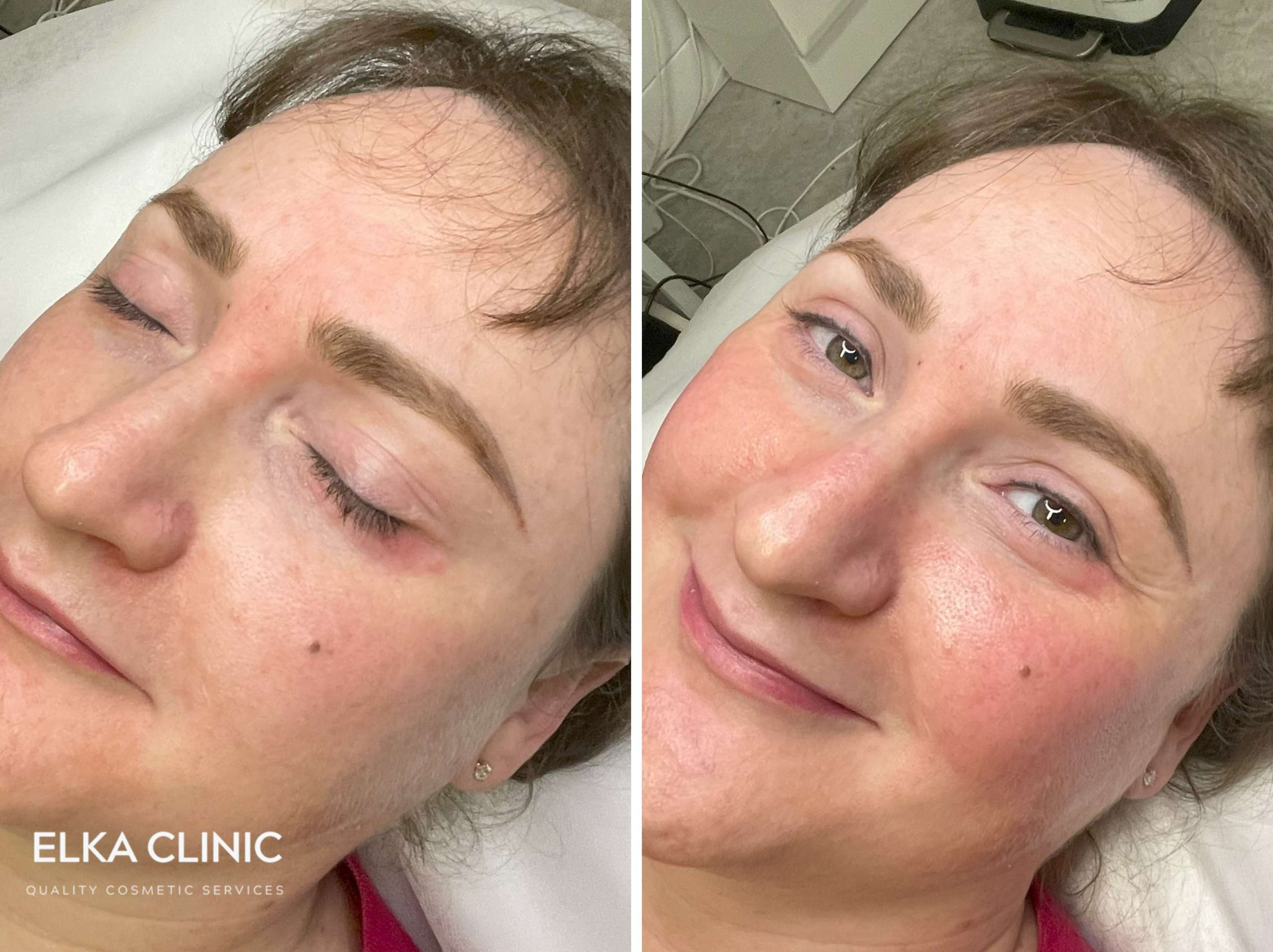
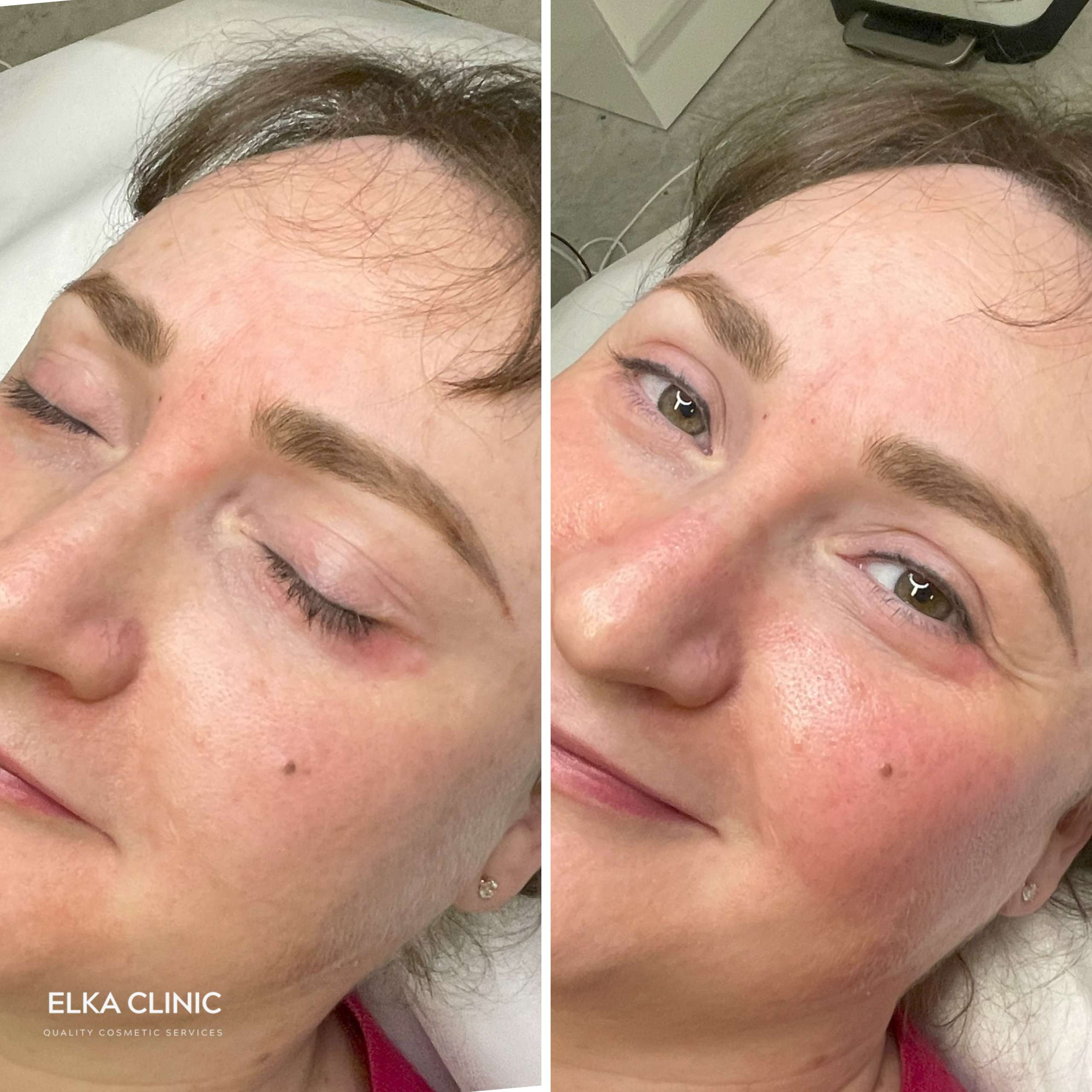
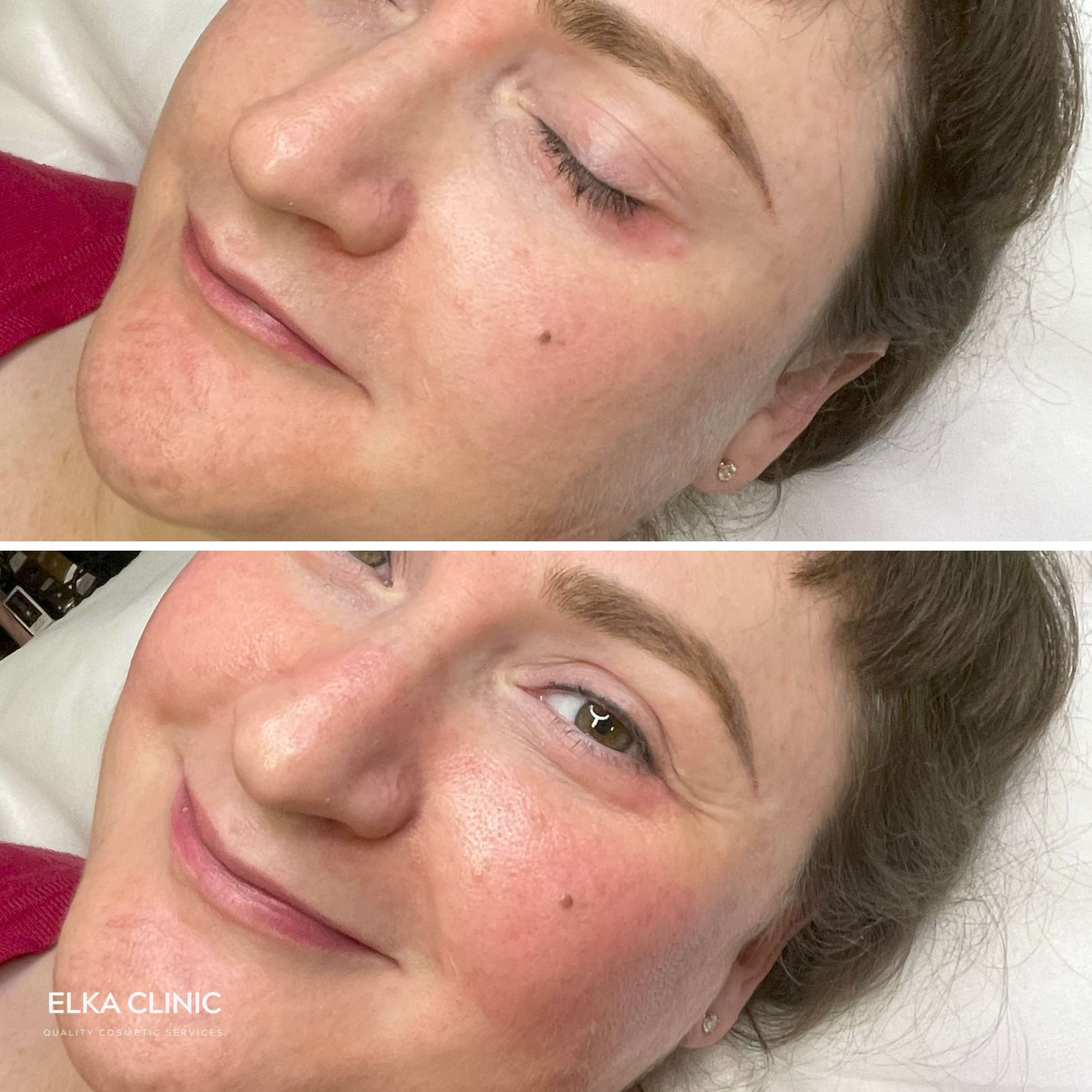
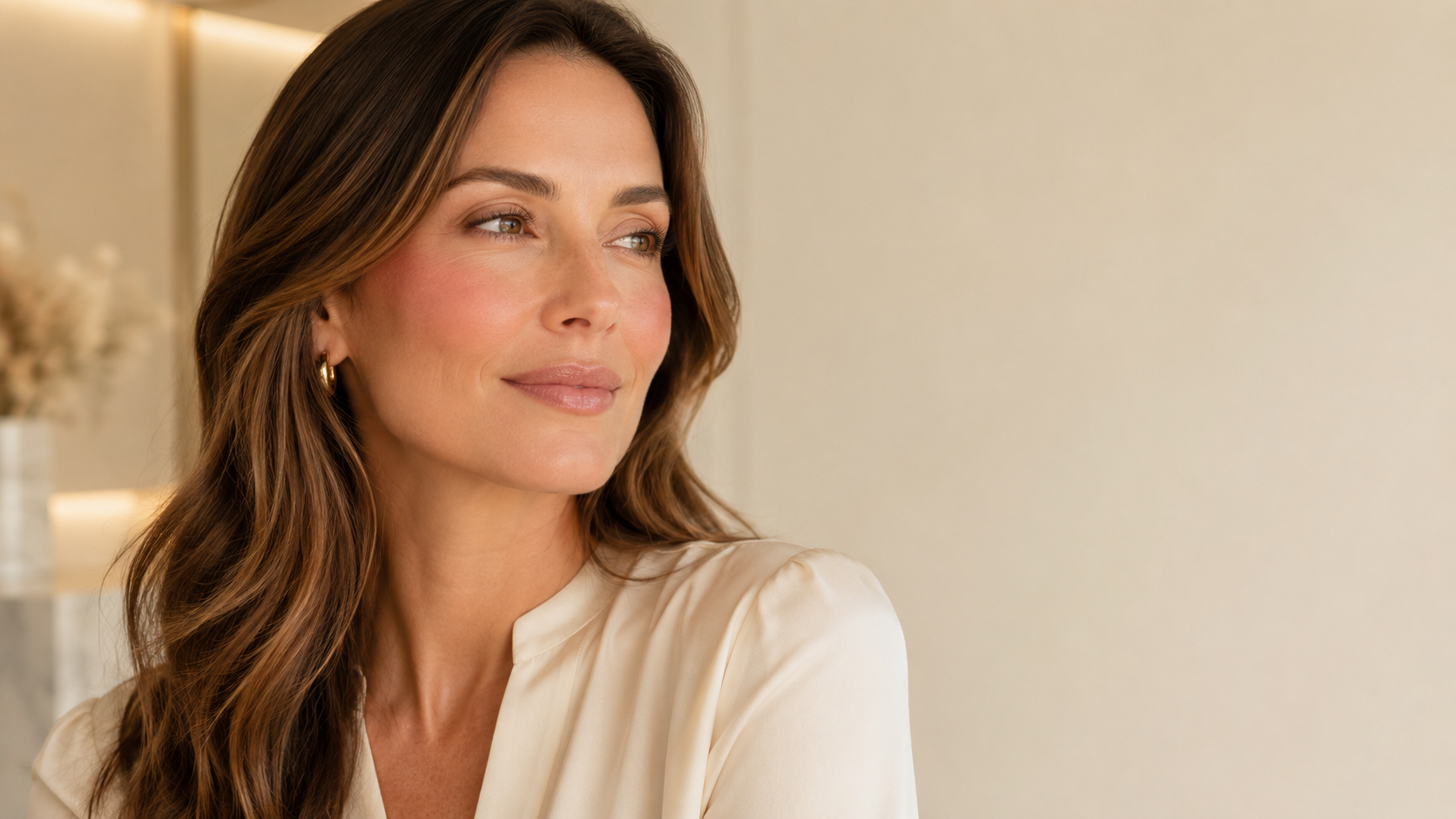
Cheek Blush Photographed Honestly
Related Reading
Treatments
- Cheek Blush Perth — the service page: technique, colour design, appointment and aftercare in full.
- Lip Blush Perth — the same soft-pigment approach applied to lips.
- Nano Brows Perth — natural brow tattooing.
- Eyeliner Tattoo Perth — lash enhancement and classic liner.
Other FAQs
- Lip Blush FAQ — colour choice, ghosting, longevity and removal.
- Nano Brows FAQ — thirty-two questions on brow tattooing.
- Eyeliner Tattoo FAQ — styles, lash safety and healing.
- General clinic FAQ — everything else about visiting ELKA CLINIC.
Book Cheek Blush In Perth
Colour mixed against your own skin, placed where you actually flush, and built lightly enough that it still looks like you.
3/29 Hood Street, Subiaco WA 6008 · 1300 216 456 · contact@elkaclinic.com.au · Open 8:00am–10:00pm, 7 days, by appointment