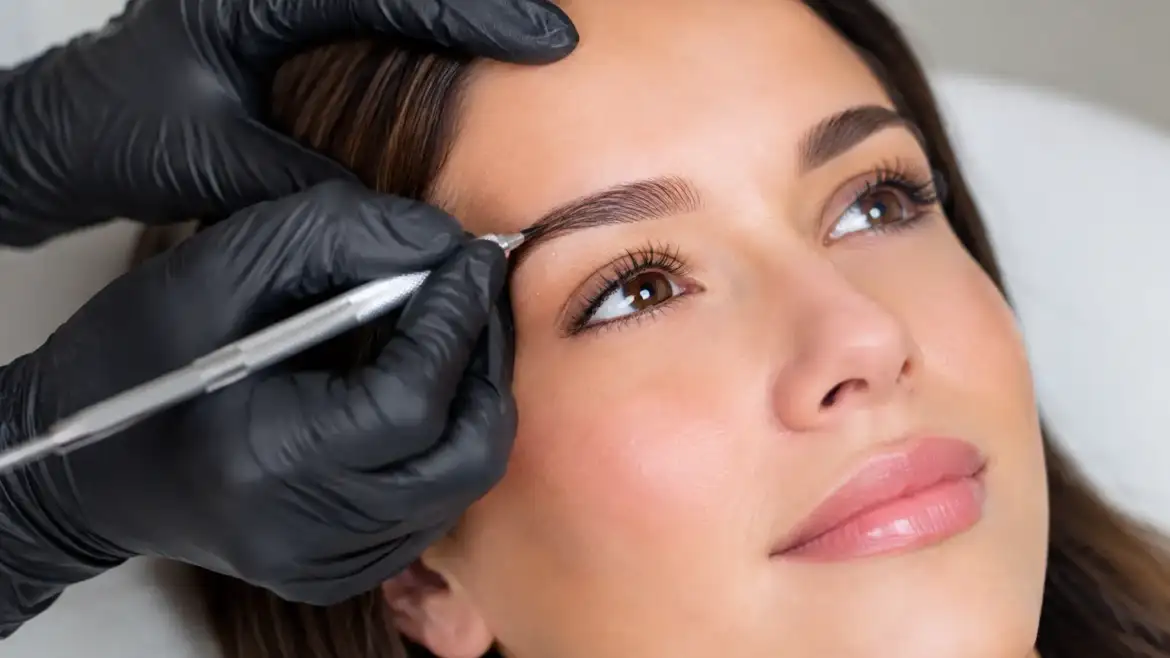
A brow tattoo that once felt right can change over time. Pigment may fade warmer or cooler than expected, the shape may no longer suit your features, or previous work may simply feel too strong for the softer, more natural look you want now. Eyebrow tattoo correction is not about covering a concern quickly. It is a considered process of assessing what is already present and creating the safest, most flattering path forward.
For many clients, the goal is not a dramatic new brow. It is restored balance: brows that frame the face gently, work with natural hair growth and feel comfortable to wear every day.
Why eyebrow tattoos sometimes need correction
Cosmetic tattooing changes as it heals and ages. Even beautifully performed work can soften, shift in tone or lose definition over the years. Skin type, sun exposure, skincare habits, previous pigment choices and individual healing all influence how colour settles.
A common concern is pigment that has faded to an ashy grey, a reddish warmth or an orange-toned hue. Others find that an older brow shape sits too low, too high, too close together or appears heavier than they would choose today. Fine hairstrokes can also blur with time, particularly in oilier skin, making the brow look less defined than intended.
Correction may also be sought after work performed elsewhere that healed unevenly, is too dark, or does not complement the client’s facial structure. This can feel discouraging, especially for someone who chose cosmetic tattooing to simplify their routine. The good news is that many cases can be improved with a carefully staged, personalised approach. The right solution depends entirely on the existing pigment, the skin and the realistic space available for a new design.
What a professional eyebrow tattoo correction involves
A quality correction begins with a thorough consultation, not a promise to tattoo straight over existing work. The artist needs to understand the history of the brows where possible, examine the remaining pigment in natural light and assess how the current shape relates to your bone structure, natural hair pattern and preferred level of definition.
At ELKA Clinic, this assessment is designed to give clients clear and honest guidance. Some brows are suitable for refinement with a new colour and shape. Others need a softer, staged plan before more pigment is added. A responsible artist will explain the difference rather than forcing a treatment that may create density, muddiness or a darker result than you want.
Colour assessment comes first
Correcting colour requires more than selecting a darker brown. Existing pigment remains visible beneath any new pigment, so the two colours interact as they heal. Depending on the faded tone, a tailored colour adjustment may help bring the brows back towards a balanced, natural-looking brown.
This is a highly individual process. Skin undertone, existing pigment depth and strength, and the desired healed result all matter. A colour that looks suitable immediately after treatment may heal differently over the following weeks, which is why experience with healed results is so valuable.
Shape is refined, not ignored
A correction should respect the limits of the existing tattoo. If an old shape extends beyond where a new brow would naturally sit, simply drawing a new brow over it can create a broad or overcrowded appearance. In these cases, the best plan may involve working within the existing structure, gently improving proportion and softness over time.
Mapping remains essential. Your new design should account for facial symmetry, but it should not chase artificial perfection. Faces are naturally asymmetrical, and refined brow work aims for harmony rather than identical brows. The most successful corrections often look quiet and effortless because the shape has been designed to suit the individual rather than follow a trend.
Which technique is right for a brow correction?
The most appropriate technique is selected after the assessment, not before. In some cases, soft ombré brows can provide an elegant correction by diffusing colour through the brow and creating a polished, powder-soft finish. This may suit clients who want more even coverage without the appearance of a harsh block brow.
Combination brows can be appropriate where there is enough clear skin and natural hair to support delicate texture through the front, with soft shading providing balance through the body and tail. Nano brows may be considered for selected clients seeking fine, hair-like detail, although this depends on the condition of the skin and the visibility of old pigment. Where previous tattooing is dense or blurred, adding crisp hairstrokes may not produce the natural definition a client hopes for.
The best technique is the one that gives the most believable healed result. It may be softer than your original plan, or it may take more than one appointment to build carefully. That is not a compromise in quality. It is often the most thoughtful way to protect the integrity of the skin and create brows that age gracefully.
When correction needs a staged approach
Not every eyebrow tattoo can be corrected immediately. If the existing pigment is very dark, saturated, unusually coloured or positioned well outside a suitable new shape, adding more pigment may not be the right first step. In these circumstances, an experienced artist may recommend allowing further fading before beginning a corrective design, or creating a longer-term plan based on what can be achieved safely and naturally.
Patience matters here. Rushing to conceal old work can lead to overly dark brows, excess saturation or a shape that feels heavier rather than more refined. A staged approach gives the artist the opportunity to observe healing and adjust colour, density and design with care.
Mature skin also deserves particular consideration. Skin can be finer, drier or less predictable in how it retains pigment, and an overly sharp or dark brow can appear more severe than intended. Soft placement, considered colour selection and realistic expectations help create an enhancement that remains elegant rather than overdone.
Preparing for your correction appointment
Bring clear information about your previous cosmetic tattooing if you have it, including when it was performed and whether it has been refreshed. If you have photos of the brows before and immediately after the original treatment, they can be helpful for understanding how the pigment has changed.
It is also useful to arrive with an open mind about the final design. Many clients come in believing they need darker brows to hide old colour, then find that a softer, more carefully balanced result is actually more flattering. During your consultation, discuss how you wear your brows day to day, whether you prefer a defined or understated finish, and any areas that particularly concern you.
Your artist should explain the proposed treatment clearly, including the likely number of sessions, the expected healing process and what is realistically achievable. Cosmetic tattoo corrections require collaboration. You should feel heard, informed and never pressured into a technique that does not suit your skin or goals.
Healing and aftercare support the final result
Corrected brows often look deeper and more defined immediately after the appointment. During healing, they can appear darker before softening, and some unevenness is normal as the skin settles. The true colour and density take time to reveal themselves.
Following your personalised aftercare instructions is an important part of achieving a clean healed result. Allow the area to heal without picking, rubbing or trying to alter the colour yourself. Let the planned review process guide any refinements. A correction is judged by how it heals, not by its appearance on the treatment day.
Choosing an artist for previous brow work
Correction work calls for restraint as much as technical skill. Look for an artist who is willing to say when a result needs time, who can show an understanding of colour behaviour and who prioritises healed outcomes over an immediate transformation. Before-and-after images can be useful, but ask yourself whether the healed brows look believable, balanced and suited to each person’s face.
You should also feel comfortable asking direct questions. How will the old pigment affect the new result? Is the chosen technique suitable for your skin? Could the final brow need to be softer or wider than you first imagined? Clear answers are a sign of professional care.
A well-planned eyebrow tattoo correction can bring a sense of relief as well as a more polished appearance. With careful assessment, patience and refined artistry, previous brow work does not have to define your next result. The aim is simply to create brows that feel like you again – balanced, natural and confidently your own.