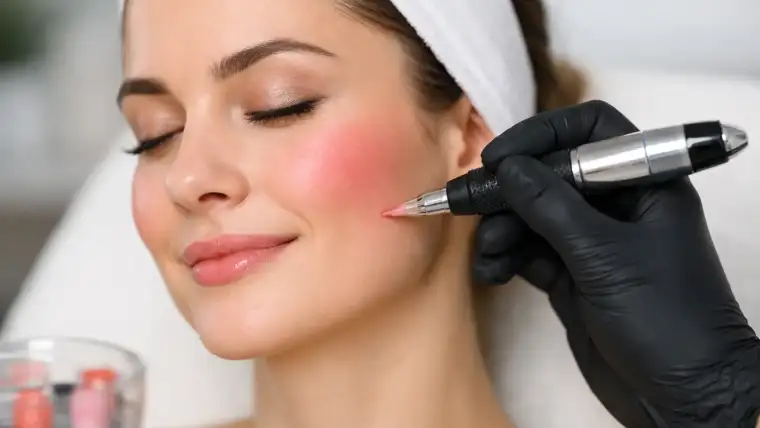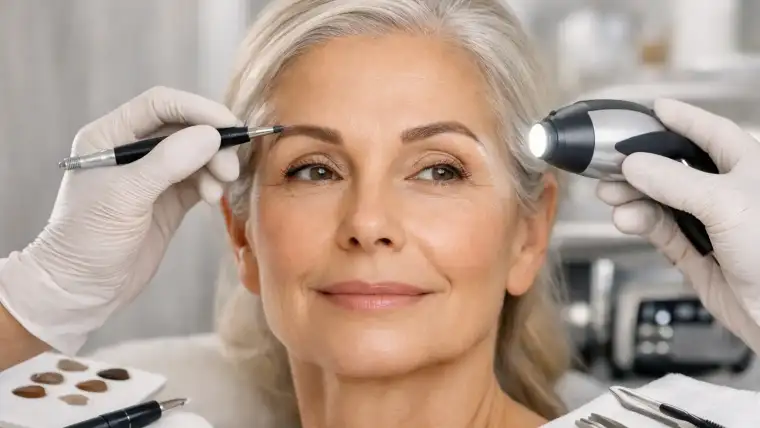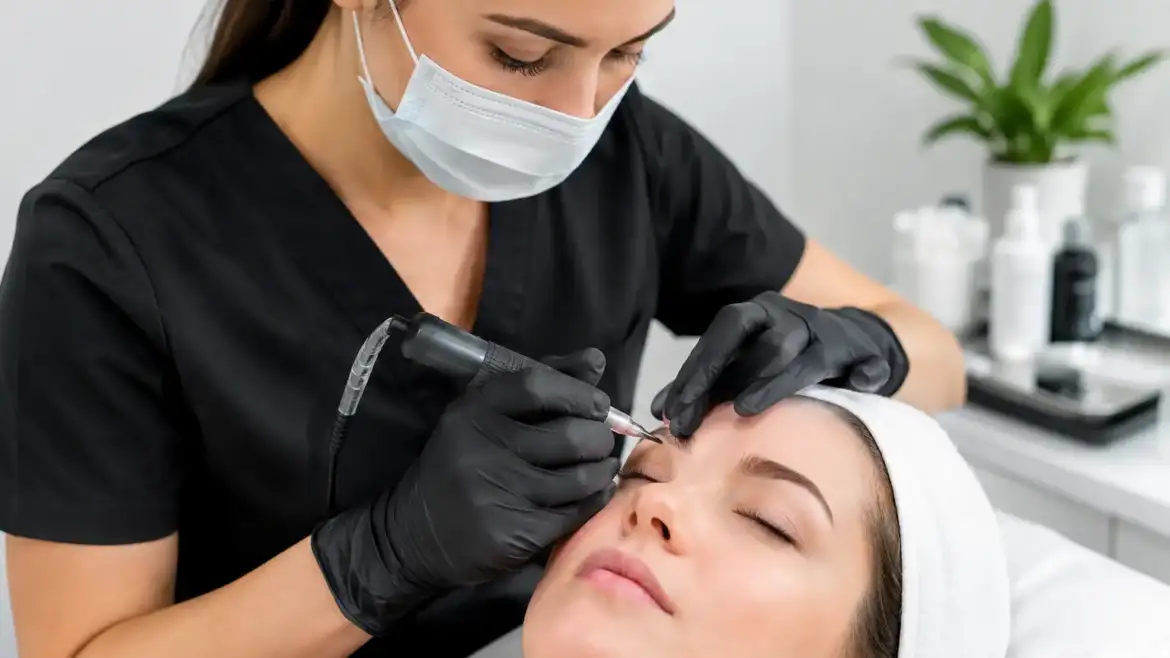
A beautifully designed brow, soft lip blush or subtle eyeliner tattoo begins long before pigment meets the skin. Cosmetic tattoo hygiene is the quiet standard behind every refined result: the preparation you see, the precautions you may not notice, and the clear aftercare guidance that supports a calm healing process.
For clients choosing a premium treatment, hygiene should never feel like an optional extra or a question they are hesitant to ask. It is part of professional artistry. A practitioner can create an elegant shape, but the treatment experience also needs to feel considered, clean, organised and worthy of your trust.
Why cosmetic tattoo hygiene matters
Cosmetic tattooing involves carefully implanting pigment into the upper layers of the skin. That means the treatment environment, equipment handling and artist technique all matter. High hygiene standards help protect the integrity of the procedure and give clients greater confidence from consultation through to the healed result.
Hygiene also supports consistency. When an artist follows a considered process each time, there is less room for rushed decisions or overlooked details. This is especially reassuring for first-time clients, those having previous work corrected, and mature clients whose skin may require a more tailored approach.
A professional clinic should be comfortable explaining its hygiene practices in plain language. Clear answers are a sign of respect for the client, not an inconvenience.
What professional cosmetic tattoo hygiene looks like
A clean treatment room is the starting point, but it is only one part of the picture. Professional hygiene is a complete system that includes the room, the artist’s preparation, the use of single-use items, careful pigment handling and cleaning protocols between appointments.
A prepared and orderly treatment space
Before treatment begins, the area should look intentionally set up rather than casually arranged. Surfaces are cleaned and prepared, and items needed during the appointment are organised to reduce unnecessary movement or searching midway through the procedure.
The treatment bed and surrounding work area should be protected appropriately. Fresh, single-use coverings and barriers help maintain a clean setup for each client. An orderly room also has a practical benefit: it allows the artist to stay focused on precise design, symmetry and skin response.
Single-use needles and disposable supplies
Needles or needle cartridges used for cosmetic tattooing should be sterile, single-use and opened for the client’s appointment. They should never be reused. Other items that come into direct contact with the treatment area, such as applicators and certain pigment cups, should also be single-use where appropriate.
Clients are entitled to ask about this. A skilled artist will welcome the question and explain the process calmly. Premium care is not about creating alarm. It is about creating clarity.
Clean hands, gloves and careful handling
Hand hygiene and appropriate glove use are fundamental throughout a treatment. Gloves should be changed whenever there is a risk of transferring contamination, including when the artist moves between treatment tasks and non-treatment items.
Good practice also includes protecting equipment that may be touched during the appointment. For example, barrier protection can be used on relevant tools and surfaces so that treatment-area contact is managed with care. These details may seem small, yet they reflect a clinic’s overall discipline.
Thoughtful pigment handling
Pigment should be dispensed with the individual client appointment in mind, rather than returned to a larger container after use. This reduces unnecessary cross-contact and helps maintain a controlled process.
The quality of pigment matters too, but high-quality products are only one part of professional care. How they are stored, prepared and handled is equally relevant. A responsible artist chooses products thoughtfully and uses them within a hygienic treatment system.
Hygiene begins at the consultation
The consultation is not simply where a client chooses a brow style or lip colour. It is where suitability, expectations and treatment planning are discussed before any commitment is made. This is particularly valuable for cosmetic tattooing because skin type, existing pigment, lifestyle and desired softness can all influence the final approach.
An experienced artist should take time to understand whether you are seeking a subtle restoration of definition, a more structured brow, a gentle lip enhancement or a correction of previous work. They should also explain that freshly completed cosmetic tattoo work will not look the same as the healed result. Colour softens, and the appearance settles through the healing period.
This conversation supports hygiene as well as artistry. When clients receive clear preparation and aftercare instructions, they are better placed to arrive ready for treatment and care for the area appropriately afterwards. It is a partnership, not a one-way service.
Your role before and after treatment
Professional standards within the clinic are essential, while client preparation and aftercare also play a meaningful part in the overall experience. Your artist should provide instructions that are specific to your treatment and easy to follow.
Before an appointment, be open about relevant information requested during your consultation. This allows your artist to plan responsibly and advise whether the timing is suitable. Avoid arriving with assumptions based on someone else’s experience, as healing can vary from person to person and between treatment areas.
After treatment, follow the aftercare plan provided by your artist closely. The goal is generally to keep the area protected from unnecessary contact and to allow the skin to settle without picking, scratching or interfering with the natural healing process. Be patient with temporary changes in colour and appearance. Cosmetic tattooing is designed with the healed result in mind, not the first-day result.
If something feels unclear, contact your clinic rather than relying on broad advice from social media. A professional team can provide guidance that relates to your individual treatment plan and the stage of healing you are in.
Questions worth asking before you book
You do not need specialist knowledge to choose a hygienic cosmetic tattoo clinic. You simply need to feel comfortable asking direct, sensible questions. Ask whether sterile single-use needle cartridges are used, how the treatment area is prepared between clients, and what aftercare support is available once you leave the clinic.
It is also reasonable to ask about the artist’s experience with your preferred treatment and your skin considerations. For example, mature skin often benefits from a softer, more considered technique than a heavily saturated or overly sharp look. The best treatment is not the one that follows a trend. It is the one that respects your features, your skin and how you want to look over time.
Be cautious of appointments that feel rushed, unclear or overly focused on a dramatic immediate result. A refined cosmetic tattoo should be planned carefully, with space for questions, mapping and realistic discussion about healing.
Hygiene and natural-looking healed results
Clients often think of hygiene only in terms of safety, but it also reflects the quality of the whole treatment experience. An artist who is meticulous with their setup is often meticulous with brow mapping, pigment selection, needle choice and the pressure used on the skin. These qualities are connected by the same professional mindset: care, precision and respect for the client.
At ELKA Clinic in Perth, this approach is central to creating cosmetic tattoos that feel personal rather than formulaic. Whether the goal is softly defined nano brows, balanced ombré brows, a natural lip blush or discreet eyeliner enhancement, treatment planning should always consider the face as a whole and prioritise an elegant healed appearance.
A hygienic clinic will not promise that every client heals identically. Instead, it will explain the process honestly, tailor the treatment where possible and remain available to support clients with clear aftercare communication.
A standard you should feel, not just see
The most reassuring cosmetic tattoo appointment often feels calm. The room is prepared, the artist is focused, your questions are answered without pressure, and each step has a purpose. You should never feel that hygiene has been treated as an afterthought.
Choose a clinic where professional care is visible in the details and where natural, considered results are given the time they deserve. That confidence allows you to focus on the enjoyable part: seeing a subtle enhancement settle into a look that still feels entirely like you.