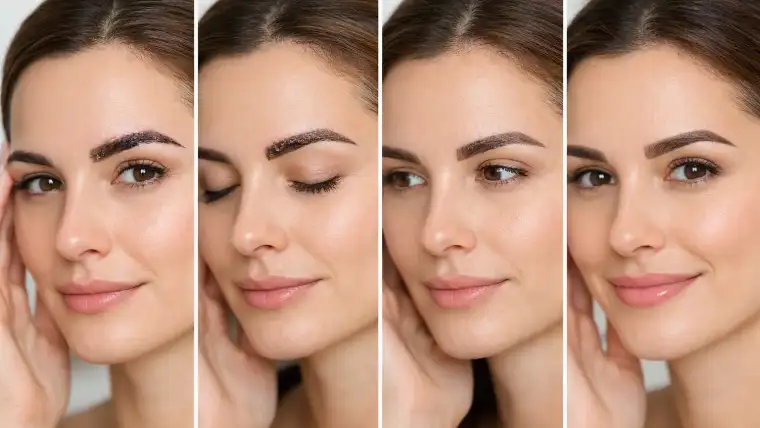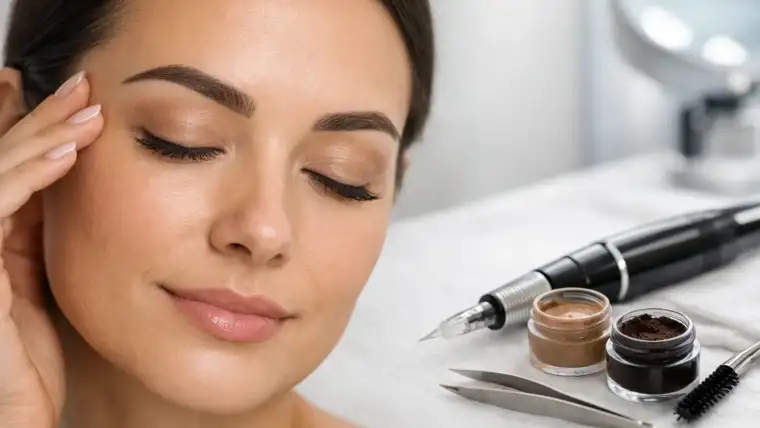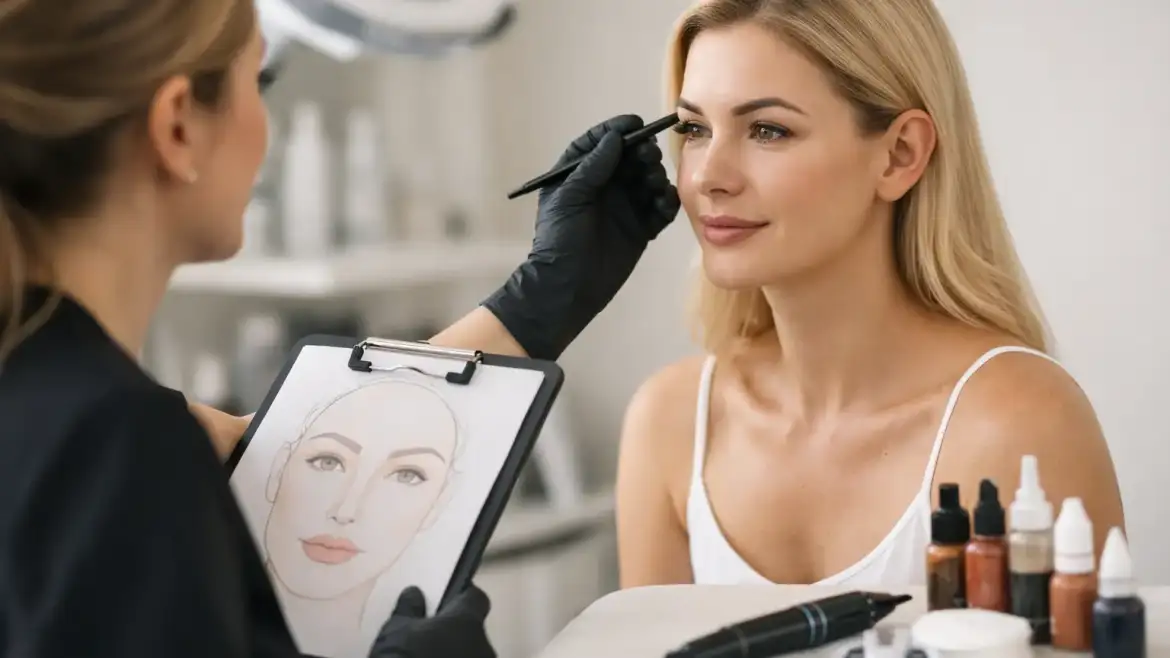
A cosmetic tattoo should not be chosen from a single inspiration photo. The brow shape, lip tone or eyeliner style that looks beautiful on someone else may not suit your facial structure, skin, existing pigment or day-to-day routine. This cosmetic tattoo consultation guide explains what a thoughtful consultation should cover, so you can make your decision feeling informed rather than rushed.
For many clients, the consultation is where initial nerves settle. It is an opportunity to discuss what you like, what you do not like, and what you hope will feel easier after treatment. The right plan is rarely about creating a dramatic change. It is about restoring balance and definition in a way that still feels like you.
Why the consultation matters as much as the treatment
Cosmetic tattooing is a personalised treatment, not a one-size-fits-all beauty service. Your artist needs to consider your natural features alongside factors that affect how pigment is placed, retained and healed. A precise brow design may need to be softened for mature skin, while lip blush may require a different approach where lips are cool-toned, uneven in colour or have lost definition over time.
The consultation creates the foundation for those decisions. It allows your artist to understand your preferred level of definition, assess the treatment area closely and explain what can be achieved realistically. It also gives you space to ask questions about comfort, healing, maintenance and whether the treatment is suitable at this point in time.
A premium consultation should never feel like a sales pitch. Honest guidance sometimes means recommending a subtle approach, suggesting a different technique, allowing time for skin preparation, or advising against treatment if it is not appropriate for you.
What happens during a cosmetic tattoo consultation
Your goals and everyday style
The conversation usually begins with your beauty routine and desired outcome. Some clients want to spend less time filling their brows each morning. Others have sparse areas from over-plucking, hair loss or natural changes with age. Lip blush clients may want a healthier-looking wash of colour, while eyeliner clients often seek soft definition around the lash line without the look of daily makeup.
Bring reference images if they help you communicate your taste, but treat them as a starting point rather than a fixed result. Your artist will look for the qualities you are drawn to: a softly shaded brow, a crisp but fine lash enhancement, or a neutral lip colour that brings the face back into balance. The treatment design is then adjusted to suit you.
Be clear about whether you wear very little makeup or enjoy a more polished finish. A result that appears natural on a full-makeup wearer can feel too defined for someone who usually prefers a bare face. The aim is to create an enhancement that fits comfortably into your real life.
Facial assessment and treatment design
For brows, the assessment includes facial proportions, bone structure, muscle movement, natural hair growth, asymmetry and the condition of your skin. No face is perfectly symmetrical, and trying to force identical brows can look less natural than carefully balancing them. Your artist should map the proposed shape before any tattooing begins, then invite your input while explaining any practical limitations.
Technique matters. Nano brows, microblading, ombré brows and combination brows each create a different finish and are not equally suitable for every skin type. Oily skin, textured skin, very mature skin and skin with existing tattoo work may heal more predictably with soft shading than fine hair strokes. The most flattering choice is the one that remains elegant after healing, not simply the technique that is popular online.
For lip blush, your artist will assess natural lip shape, existing colour, symmetry and undertones. The goal may be a gentle neutralisation before adding colour, particularly where lips have a stronger cool or uneven tone. For eyeliner tattooing, eye shape, eyelid texture, lash density and desired makeup style all influence whether a refined lash enhancement or a more visible liner is appropriate.
Skin, health and lifestyle considerations
Your skin is part of the treatment plan. Active irritation, sunburn, compromised skin, certain medications, recent cosmetic procedures or a history of particular medical conditions can affect suitability and healing. A professional artist will ask relevant health questions and explain when medical clearance may be needed.
Lifestyle matters too. Frequent sun exposure, regular swimming, intense exercise, skin treatments and a busy travel schedule can all affect timing and aftercare. If you have an important event coming up, it is usually wiser to allow adequate time for healing rather than booking too close to the date.
This is also the time to disclose previous cosmetic tattooing. Correction work is possible in many cases, but it requires a careful assessment of the existing pigment’s colour, saturation, placement and age. Covering old work without a plan can create a heavier result, so removal or lightening may sometimes be the more responsible first step.
Questions your artist should answer clearly
You should leave a consultation with a practical understanding of the treatment, not vague reassurance. Ask how the chosen technique is expected to heal on your skin, how many sessions may be required and what maintenance is likely over time. Cosmetic tattoo fades gradually and unevenly depending on the person, so colour boosts are part of long-term care rather than a sign that something has gone wrong.
It is also reasonable to ask about pigment selection, hygiene standards, patch testing where appropriate, pain management and the expected healing stages. Fresh cosmetic tattoo work often looks darker, sharper or warmer immediately after treatment. It then softens as the skin heals and the colour settles. Understanding this process in advance helps prevent unnecessary concern during the first few weeks.
Discuss the result you want to avoid as well. If you are worried about brows looking too dark, lips appearing too bright or eyeliner being too thick, say so directly. An experienced artist can design with restraint, build colour gradually and prioritise a healed appearance that remains soft and wearable.
How to prepare for your consultation
Arrive with your usual makeup on if possible, especially if you fill your brows or line your eyes each day. It gives your artist useful insight into the level of definition you naturally prefer. You may also bring photos of your brows or lips from earlier years if your goal is to restore a familiar shape or sense of colour.
Avoid booking when you feel pressured to make an immediate choice. A consultation is there to support a confident decision, and it is completely appropriate to take time to consider the plan. This is particularly valuable for first-time clients, those with previous tattoo work and anyone considering a more visible style.
Before treatment is booked, you should receive clear pre-care guidance tailored to the service. Depending on your treatment and circumstances, this may include advice about skincare actives, sun exposure, other aesthetic appointments and medications. Follow this guidance closely, as good preparation supports safer treatment and more predictable healing.
Choosing natural results over a temporary trend
Trends can be helpful for inspiration, but cosmetic tattooing needs a longer view. A bold brow shape or heavily outlined lip may look compelling in a filtered image, yet it may not suit your face, workplace, age or preference once the trend has passed. Natural does not mean invisible. It means the enhancement works in harmony with your features instead of competing with them.
At ELKA Clinic in Perth, consultations are designed around this principle: refined artistry, realistic expectations and a treatment plan that respects your individual skin and features. Whether you are considering your first cosmetic tattoo, refreshing faded work or correcting a previous result, the focus should remain on what will heal beautifully and feel right for you.
The best time to book is when you are ready to have an open, unhurried conversation about your goals. A well-considered consultation gives you more than a treatment plan – it gives you the confidence to choose an enhancement you will be happy to see in the mirror every day.