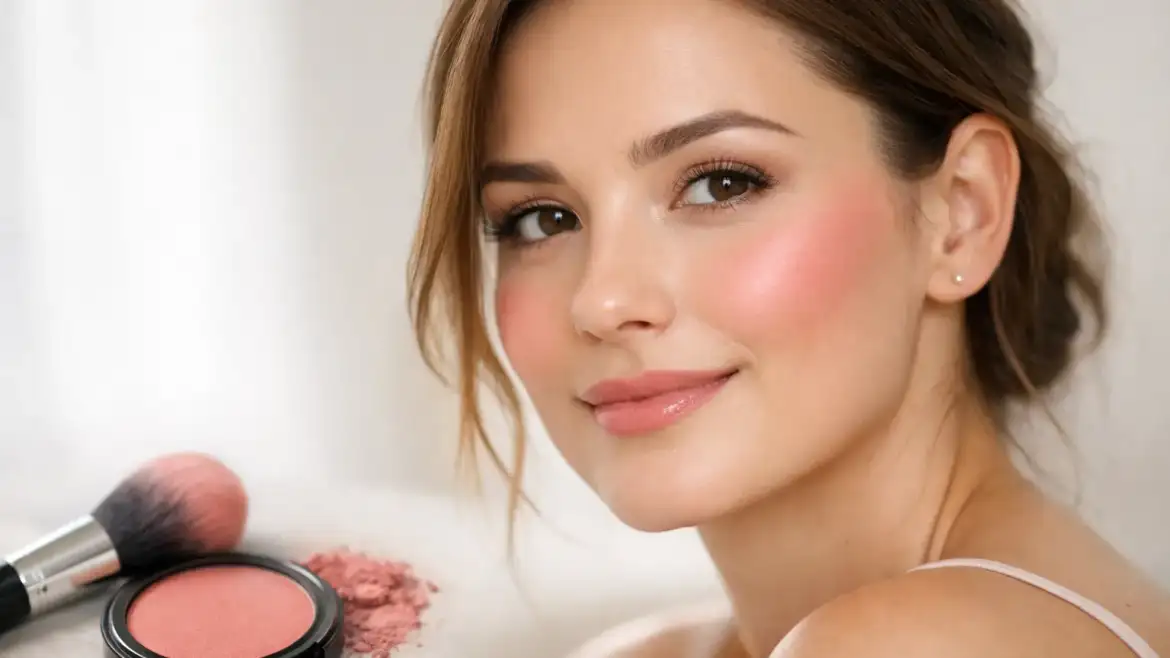
A flattering cheek colour should not be the first thing people notice. It should make your complexion appear more rested, your features more balanced and your overall look quietly polished. Natural looking cheek blush is less about following a trend and more about recreating the soft warmth that already belongs in your face.
The difference is often subtle. A blush that is too bright, too cool, too low on the cheek or too heavily layered can quickly look separate from the skin. The most refined result comes from thoughtful colour selection, gentle placement and a light hand. It should feel like an enhancement, not a mask.
Why natural cheek colour can be difficult to achieve
Blush is one of the most transformative elements of a beauty routine, but it is also easy to overdo. Unlike brows or lips, cheek colour covers a broader area and catches the light differently throughout the day. What looks soft in a bathroom mirror may appear much stronger in daylight, in photographs or under office lighting.
The key is to consider your natural colouring rather than choosing a shade simply because it is popular. Your undertone, hair colour, lip tone, skin depth and the amount of natural contrast in your features all influence what will look believable. A vivid pink may look fresh and effortless on one person, while a muted rose or warm peach may be far more harmonious on another.
Finish also matters. A highly reflective formula can emphasise texture, while an overly matte finish can look flat or powdery. Natural-looking results usually sit somewhere in the middle: soft colour with a skin-like finish and no obvious hard edges.
Find the shade that resembles your natural flush
A useful starting point is to notice the colour that appears naturally in your cheeks after a brisk walk, a warm shower or a moment of laughter. It is not necessary to match this colour perfectly, but it can point you towards the right family of tones.
Peach, apricot and warm coral shades tend to complement complexions with golden or olive undertones. Soft rose, dusty pink and muted mauve can suit cooler or neutral colouring. Deeper skin tones may find that warm terracotta, berry, plum or rich rose shades create a more visible yet still natural flush. The right shade should bring life to the face without competing with the rest of it.
It also depends on the look you want to create. A soft peach can feel understated and sun-warmed, while a neutral rose often creates a classic, polished finish. Berry tones can be beautifully natural on deeper complexions, particularly when applied sheerly. The goal is not to make every complexion look the same, but to work with its individual warmth and depth.
When testing a new shade, assess it near a window if possible. Daylight gives a more honest view of whether the colour is blending naturally into your skin or sitting on top of it.
Natural looking cheek blush starts with placement
Placement changes the effect of blush more than many people realise. The familiar advice to smile and place colour directly on the apples of the cheeks can work well for some faces, especially when a youthful, rounded flush is the aim. However, it is not the only option.
For a more lifted and refined effect, begin slightly above the fullest part of the cheek and blend softly towards the temple. Keep the colour within the upper cheek area rather than sweeping it too close to the mouth or too low beneath the cheekbone. This placement can create a fresher appearance while keeping the feature soft.
Consider your facial structure, not a fixed rule
There is no single blush map that suits everyone. If your face is longer, a little more horizontal blending across the upper cheek may bring balance. If your face is rounder, keeping the colour slightly higher and more angled can create gentle definition. Mature skin often benefits from a lighter application placed higher on the cheek, as heavy colour low on the face can feel less flattering.
These are guides, not strict rules. Your natural cheekbone position, facial proportions and personal style deserve more consideration than a one-size-fits-all technique. The most elegant approach is always customised.
Choose a finish that works with your skin
Cream, liquid and powder blush can all look natural. The best choice depends on your skin type, preferred routine and the finish you enjoy wearing.
Cream and liquid textures can create a fresh, luminous effect because they melt into the skin when applied sparingly. They are often especially appealing for clients who prefer a softer, less powdered look. However, they need to be blended promptly and may require a light setting step if you find colour shifts during a long day.
Powder formulas allow more control and can be easier to build gradually. A finely milled powder in a natural finish can look beautifully refined, particularly when pressed gently into the cheek with a soft brush rather than swept on heavily. If your skin has visible texture, avoid excessive shimmer or applying multiple layers in one area.
Whichever formula you choose, the most important quality is sheerness. A natural flush is built in fine layers. Starting with less product gives you room to adjust before the colour becomes too obvious.
A simple method for soft, believable colour
The application itself does not need to be complicated. Work slowly and check the balance between both sides of the face as you go.
- Begin with a very small amount of product. It is easier to add colour than to soften a heavily pigmented application.
- Place the colour on the upper cheek area, beginning closer to the centre of the face and blending outward with light pressure.
- Diffuse the edges until there is no clear starting or stopping point. The colour should appear to fade naturally into the complexion.
- Step back from the mirror and check your face in natural light. If one side appears stronger, correct it with the smallest possible amount of product.
A helpful finishing touch is to blend a trace of the remaining colour from your brush or fingers over the bridge of the nose only if it suits your usual style. This can create cohesion, but it is optional. For many people, keeping the colour focused on the cheeks is the most timeless choice.
Keep cheek colour connected to the rest of your features
The most polished beauty looks are considered as a whole. Your cheek colour should feel connected to your lip tone, brow definition and complexion finish rather than operating as a separate statement.
For example, a soft rose cheek can sit beautifully alongside a muted lip tone, while a warm apricot cheek may pair more naturally with a warmer lip colour. If your brows are softly defined or your lip blush tattoo has been designed to enhance your natural tone, a restrained cheek colour helps preserve that elegant balance.
This is particularly valuable for anyone who prefers a low-maintenance routine. When your chosen tones harmonise, you need less product overall. The face looks finished without appearing heavily made up.
Common reasons blush can look overdone
Overapplication is not always caused by using too much product. Sometimes the shade is simply too saturated for your complexion, or the texture is too opaque. A bold colour can still be beautiful, but it requires more precision and may not deliver the effortless effect many clients are seeking.
Placement is another common issue. Colour that travels too far down the cheek can make the face look less lifted, while a narrow stripe of blush can appear harsh. Blending should be broad enough to soften the edges, but controlled enough to keep the cheek area defined.
Finally, do not judge your blush only from very close range. Stand back, look in different lighting and consider how it appears alongside your normal brows and lip colour. A good cheek blush should look even better when you stop concentrating on it.
Natural beauty is rarely about adding more. It is about noticing the proportions, tones and details that already make your face distinctive, then enhancing them with restraint. When your cheek colour looks like it could simply be your own healthy, natural flush, you have found the right approach.