
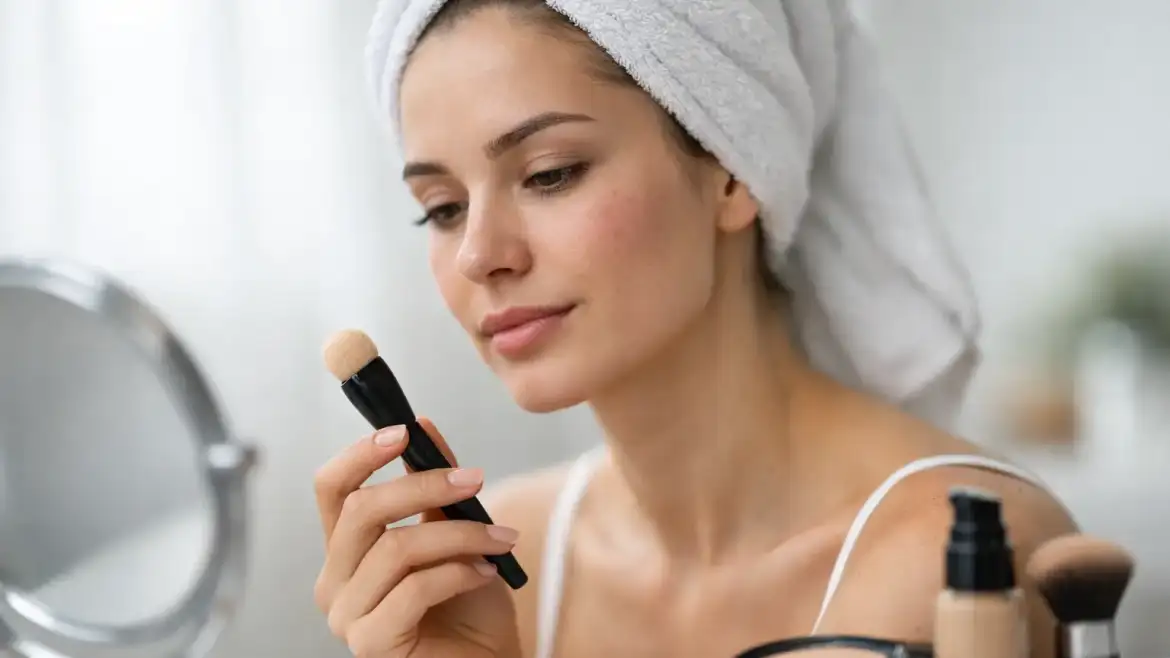
Freshly treated skin can look beautifully dewy, pink or slightly flushed, which makes the question, “when can I wear makeup after microneedling?”, very understandable. The short answer is usually to wait at least 24 hours. However, your ideal timing depends on your skin’s response, the intensity of your treatment and the specific aftercare guidance provided by your practitioner.
Microneedling creates controlled micro-channels in the skin to support renewal and improve the appearance of texture, uneven tone and acne scarring. Immediately afterwards, the skin is more receptive than usual. Giving it a makeup-free window helps keep the area clean and allows the early healing process to progress without unnecessary friction, pigments or product build-up.
When can I wear makeup after microneedling?
For most clients, makeup can be reintroduced after 24 hours, provided the skin is calm, intact and there is no ongoing pinpoint bleeding, weeping or significant sensitivity. Some practitioners may recommend waiting 48 hours, particularly after a more intensive treatment or when the skin remains noticeably warm, red or reactive.
This is not a moment to rush because of a dinner, meeting or event. A little patience usually makes the return to your normal routine more comfortable. If you can arrange your appointment with one quiet, makeup-free day afterwards, you will have a more relaxed recovery window.
Your personalised aftercare advice should always take priority over general timing. Skin can respond differently according to its natural sensitivity, current condition, treatment depth and how it has been prepared beforehand. At ELKA Clinic, aftercare is tailored to the individual rather than treated as a one-size-fits-all checklist.
Why the first 24 hours matter
Makeup itself is not inherently the problem. The concern is what can come with it: bacteria on brushes or sponges, fragrance, active ingredients, heavy occlusion and the rubbing involved in application and removal. Skin that has just been microneedled does not need extra variables.
Foundation and concealer can also make it tempting to use more pressure than you realise, especially while blending around the nose, cheeks and under-eye area. Even a soft brush can feel more stimulating on newly treated skin. Letting redness settle naturally for the first day is often the kindest approach.
This is also why clean hands matter. If you need to touch your face during the initial recovery period, do so only when necessary and after washing your hands thoroughly. Avoid picking, scratching or testing the skin’s texture. The goal is calm, uncomplicated healing.
Returning to makeup gently
When it is time to wear makeup again, think light, clean and minimal. A full-coverage look can wait another day if your skin still feels dry, warm or tender. Start with the products you genuinely need and see how your skin feels rather than returning immediately to every step of your usual routine.
Choose products that are fresh, well-maintained and comfortable on your skin. Clean brushes and sponges before use, and avoid using old products that may have been sitting open in a handbag or bathroom drawer. If a product has an unfamiliar scent, has changed texture or is past its best, this is not the time to test it.
A light mineral-based complexion product may feel more comfortable for some people once their practitioner has cleared them to wear makeup. Others may prefer a simple tinted product. There is no prize for coverage in the first few days. Your skin’s appearance can fluctuate slightly as it settles, and a soft approach usually looks more natural too.
Apply with the lightest possible touch. Pressing or dragging can make temporary redness more obvious, while gentle tapping is less likely to disturb sensitive areas. At the end of the day, remove makeup carefully according to your practitioner’s instructions. Do not scrub at dry patches or use a face cloth aggressively to make the skin feel smoother.
What to leave out for a little longer
After microneedling, it is wise to pause products that are designed to exfoliate, brighten aggressively or create a strong sensation on the skin. This may include scrubs, exfoliating acids, retinoid products and strongly fragranced formulas. Your practitioner will advise when your regular active skincare can be reintroduced.
It is also sensible to avoid trying a new foundation, primer or setting product during recovery. Even products that work beautifully for a friend may not suit skin that is temporarily more reactive. Stay with simple, familiar options once makeup is appropriate.
A practical timeline for the days after treatment
On treatment day, keep the skin clean and follow the exact products and instructions supplied by your practitioner. It is normal for the complexion to look flushed or feel tighter than usual. This is a recovery day, not a day to cover everything up.
During the first 24 hours, avoid makeup unless your practitioner has specifically advised otherwise. Keep your routine pared back and avoid excess heat, heavy sweating and anything that may cause friction across the treated area.
From 24 to 48 hours, many clients can return to light makeup if their skin feels settled and their practitioner’s directions allow it. If you are still experiencing visible sensitivity, give your skin another day. Waiting is not a setback – it is a sensible response to what your skin is telling you.
Over the following days, the skin may feel a little dry or look lightly textured as it renews. Continue with the recommended aftercare and resist the urge to polish or exfoliate the area prematurely. Makeup may sit differently for a short period, particularly if there is mild dryness, so less is often more.
Planning microneedling around an event
If you have an important occasion, photographs or a professional commitment, avoid booking microneedling at the last minute. While many people experience only temporary redness, healing is individual and cannot be timed with complete precision.
Allow enough space before the event for your skin to settle and for your usual makeup to apply comfortably. This is particularly worthwhile if you are new to microneedling, have sensitive skin or are planning a treatment with a stronger focus on texture concerns. Your practitioner can help you choose a timing that suits both your goals and your diary.
When to check in with your practitioner
If you are unsure whether your skin is ready for makeup, a quick check with your treating practitioner is the safest choice. This is especially relevant if redness seems to be increasing, the skin feels unusually uncomfortable, or you are uncertain about a specific product in your routine.
Professional aftercare is not about making recovery complicated. It is about recognising that a personalised treatment deserves personalised guidance afterwards. A qualified practitioner who has seen your skin, understands the treatment performed and knows your goals can give advice that is far more useful than a generic social media timeline.
A makeup-free day may feel inconvenient, but it is a small part of caring for the investment you have made in your skin. Give it that breathing space, return to clean and gentle products at the right time, and let the refreshed quality of your skin take centre stage.

