Skin can begin to look less firm or refined long before it feels dramatically different. Fine lines may sit more visibly around the eyes, makeup may catch on uneven texture, or acne scarring and enlarged-looking pores may become harder to ignore. The best skin treatments for collagen stimulation are not necessarily the most aggressive options. They are the treatments selected carefully for your skin, your goals and the amount of downtime that genuinely suits your life.
At ELKA Clinic, skin rejuvenation is approached with the same care as cosmetic tattoo design: results should be considered, natural-looking and appropriate for the individual. Collagen-focused treatments can improve the appearance of texture, firmness and skin quality over time, but the right choice depends on what you would like to address and how your skin is likely to respond.
Why collagen stimulation matters for skin quality
Collagen is a naturally occurring protein that contributes to skin’s supportive structure. As production changes over time, the skin may appear less plump, less smooth or less resilient. Sun exposure, lifestyle, genetics and the natural ageing process can all influence how quickly these visible changes develop.
Collagen-stimulating treatments work by creating a controlled response in the skin that encourages its renewal processes. The outcome is gradual rather than instant. This is an advantage for clients who want their skin to look rested, smoother and more refined without an obviously treated appearance.
It is also why realistic planning matters. A single treatment may be a valuable starting point, while concerns such as established acne scarring, deeper lines or significant textural irregularity may benefit from a tailored treatment series. Your skin’s condition, healing response and lifestyle should guide the plan, not a one-size-fits-all promise.
The best skin treatments for collagen stimulation
For clients seeking non-surgical skin rejuvenation, microneedling and plasma pen treatments offer two very different approaches. Both can support a fresher, firmer-looking complexion when they are selected and performed appropriately, but they are designed for different concerns.
Microneedling for texture, pores and overall renewal
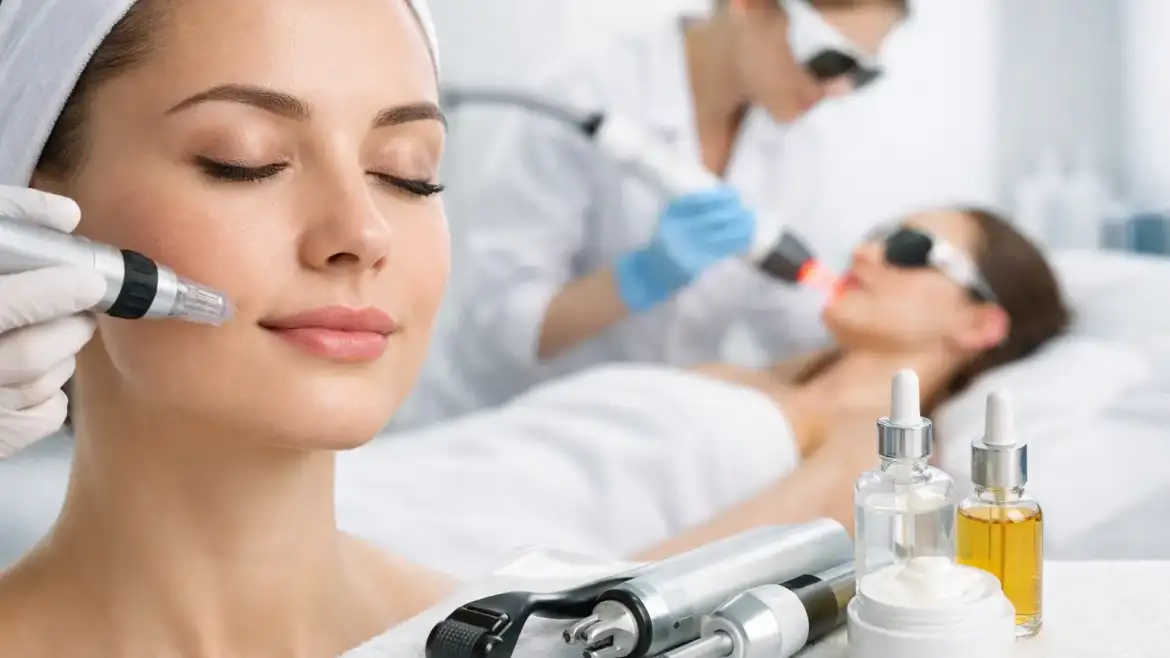
Microneedling is one of the most versatile options for clients who want to improve overall skin texture and encourage collagen stimulation. The treatment uses fine, controlled needles to create tiny channels in the skin’s surface. This process supports the skin’s natural renewal response and can help improve the appearance of uneven texture, enlarged-looking pores, fine lines and acne scarring over time.
It is often well suited to clients who describe their skin as dull, rough or lacking its former smoothness. Rather than changing the face, microneedling aims to improve the quality of the skin itself. The result should feel subtle and believable: skin that appears clearer, more even and better able to reflect light.
Treatment depth and technique should never be treated as a standard setting. Areas of the face vary, and so do individual skin concerns. A thoughtful treatment plan takes into account where texture is most visible, the condition of the skin and how much recovery time is manageable. Some clients prefer a gentle introduction to microneedling, while others are working towards a structured series for more visible texture concerns.
Immediately after treatment, it is normal for the skin to appear flushed. This generally settles as the skin recovers, although the degree and duration vary between individuals. Following the aftercare guidance provided by your clinician is an important part of protecting the skin and supporting an even healing process.
Plasma pen for targeted tightening and fine lines
Plasma pen treatment is more targeted. It is commonly considered for areas where fine lines, crepey texture or mild looseness are visible, particularly around delicate facial zones. The device creates precise, controlled points on the skin’s surface, supporting a tightening and renewal response as the area heals.
For the right client, plasma pen can be a considered option when the goal is to soften the look of fine lines or improve the appearance of localised skin texture without surgery. It may also be discussed for selected cosmetic skin lesion concerns, pigmentation and melasma-related appearance improvement, following a detailed suitability assessment.
The recovery experience is different from microneedling. Plasma pen treatment creates small superficial marks that need time to heal naturally. There is a visible downtime period, so timing matters. If you have an important event, professional photographs or travel planned, it is sensible to allow adequate space for recovery rather than booking close to the date.
Plasma pen is not the answer to every concern, and suitability requires careful assessment. Skin type, treatment area, previous skin history and expectations all matter. A premium treatment experience is not about recommending the same procedure to everyone. It is about being honest when a treatment is suitable, when a different approach may be preferable and when the timing is not right.
How to choose between microneedling and plasma pen
The simplest distinction is that microneedling is often chosen for broader skin renewal, while plasma pen is generally used for more targeted concerns. If your priority is improving general texture, the appearance of pores or acne scarring across a larger area, microneedling may be the more relevant conversation. If your focus is fine lines or localised crepey-looking skin, plasma pen may be worth exploring.
There is also the practical question of downtime. Microneedling typically suits clients who can manage temporary redness and want gradual skin renewal with relatively minimal interruption to their routine. Plasma pen requires a more visible healing phase, which can be worthwhile for the right concern but should be planned around your calendar.
Neither treatment should be chosen solely because it is popular online. Skin responds differently from person to person, and filtered before-and-after imagery rarely shows the full picture of preparation, healing or the time needed for results to develop. A proper consultation replaces guesswork with a plan based on your own skin.
What a personalised treatment plan should include
A quality collagen-stimulation plan begins before the treatment itself. During consultation, your clinician should listen to what you notice in the mirror and what kind of result would feel worthwhile to you. Some clients want their complexion to look smoother under makeup. Others are focused on softening the appearance of scars, refining particular lines or maintaining skin quality as they age.
The assessment should also consider your skin type, visible concerns, previous treatments, lifestyle and availability for healing. This is especially relevant for mature skin, where a gentle, strategic approach may create a more elegant outcome than pursuing excessive treatment. Natural-looking improvement is built through restraint as much as technique.
You should also receive clear guidance about preparation, what to expect on the day, recovery and aftercare. Treatments that stimulate collagen do not offer overnight transformation. They require patience, thoughtful scheduling and a commitment to protecting the skin while it renews.
Results that look like healthy skin, not a procedure
The most satisfying collagen-focused results are usually the ones other people cannot quite identify. Your skin may look smoother in natural light, feel more refined to the touch or sit more evenly beneath your usual makeup. Friends may simply say that you look well.
That understated outcome is particularly valuable when skin treatment is part of a broader approach to confidence. Whether you also enjoy softly defined brows, a natural lip blush or simply want to feel more comfortable bare-faced, skin rejuvenation should complement your features rather than compete with them.
For Perth clients considering microneedling or plasma pen, a no-obligation consultation provides the space to discuss your concerns without pressure. The right treatment is the one that respects your skin, fits your life and supports a result that still feels entirely like you.