A lip blush colour can look beautifully subtle in a pigment swatch, then heal quite differently against your own natural lip tone. That is why choosing the best lip blush colours is less about following a trend and more about creating a shade that restores soft definition, warmth and balance to your face.
The most flattering result should not look like a full lipstick application. It should look as though your lips naturally have more even colour, a clearer outline and a healthy, polished appearance. For some clients, that means a fresh rosy nude. For others, it may be a muted mauve, a soft coral or a warm berry tone. The right choice is always personal.
What makes a lip blush colour look natural?
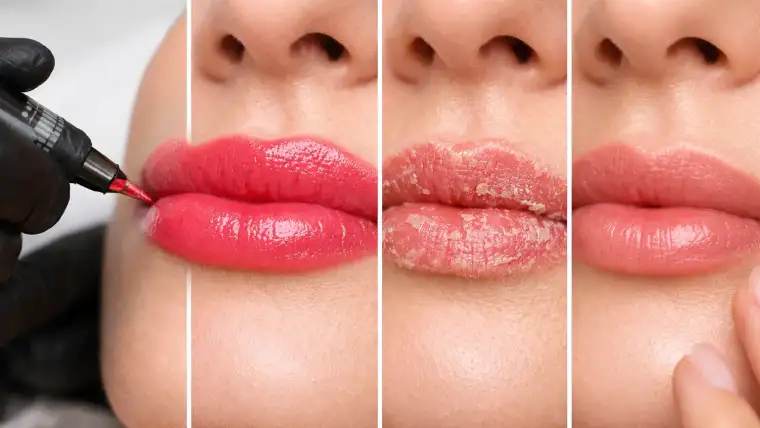
Lip blush is a semi-permanent cosmetic tattoo treatment designed to enhance the existing lip colour rather than cover it with an opaque finish. During healing, the colour softens significantly. The fresh result may initially appear brighter, warmer or more defined than the final healed shade, which is why experience in pigment selection matters.
A natural-looking lip blush colour works with three things: your starting lip tone, the undertone in your skin and the level of contrast that suits your features. Your usual makeup preferences and lifestyle also matter. Someone who rarely wears lipstick may prefer a barely-there nude-pink, while someone who enjoys a little more colour may feel most like themselves in a rosewood or gentle berry.
The goal is not to make every set of lips the same pink. It is to choose a refined shade that looks believable on you, including on no-makeup days.
The best lip blush colours by undertone
Undertone is one of the most useful starting points, but it is not a strict rule. Natural lips often carry a mix of pink, peach, brown, mauve or deeper tones, and the final selection needs to account for that complexity.
Soft pinks and rosy nudes
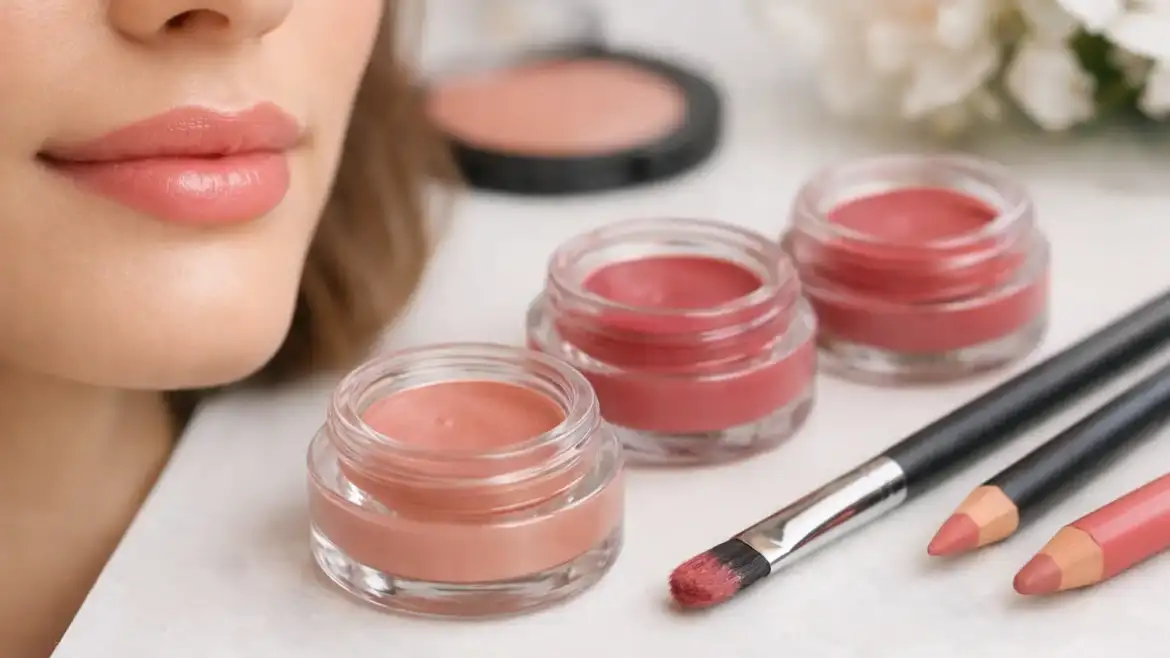
Soft pinks are a popular choice for clients wanting an elegant, fresh finish without an obvious lipstick effect. A rosy nude can restore colour to lips that appear pale or uneven while keeping the result understated. These shades tend to suit clients with neutral or cool-leaning colouring, particularly when the aim is a gentle everyday enhancement.
The trade-off is that very pale pinks can heal too subtle on naturally deeper lips or may not provide enough warmth for some complexions. In these cases, a rose-based shade with a little warmth often creates better balance.
Peachy nudes and soft corals
Peach, apricot and muted coral shades can bring a healthy warmth to the face. They are especially lovely for clients with warm or olive undertones, or for anyone who finds traditional pink lip colours slightly too cool. A softened coral should read as naturally bright rather than orange.
These shades are often chosen when lips have lost some vibrancy over time. The best result is a whisper of warmth that still allows the client’s natural lip character to show through.
Mauves, rosewoods and dusty roses
Mauve and rosewood tones are among the most versatile lip blush choices. They sit between pink, brown and berry, creating a sophisticated, balanced finish that works well for many neutral and olive complexions. Dusty rose can be particularly flattering for mature clients who want definition and colour without a youthful bubblegum-pink effect.
Because these shades have more depth, they can create a clearer enhancement while remaining soft. However, the pigment must still be selected carefully. A mauve that is too cool or too grey for the natural lip tone may not heal as warmly as intended.
Berries and deeper rose shades
A soft berry or deeper rose is ideal for clients who want more visible colour while still avoiding a strong makeup look. These tones can make the lips appear more defined and can complement clients who naturally wear richer lipstick shades.
A deeper choice does not need to mean dramatic. The best lip blush colours in this family are usually muted and carefully layered, so the healed finish remains elegant. It is generally wiser to build colour gradually than to begin too dark. Cosmetic tattoo pigment settles and softens over time, and subtlety is difficult to reverse once a shade has healed.
Your natural lip tone matters more than a reference photo
Reference photos are helpful for communicating the mood you like: fresh, warm, rosy, polished or more defined. They are not a promise of an identical result. The same pigment can heal differently from one person to another because every lip begins with a different base colour and responds to the treatment in its own way.
For example, lips with a naturally cool or mauve cast may require a warmer pigment direction to achieve a balanced healed shade. Lips with stronger natural pigmentation may need a tailored approach to create an even result before the desired blush tone can be developed. This is particularly relevant when considering lip neutralisation, where the treatment plan is designed around the existing lip colour rather than simply placing pink pigment over the top.
Skin tone is important, but it should never be viewed in isolation. Facial colouring, hair colour, the amount of natural contrast in your features and how you like to present yourself all inform the final design.
How to choose a colour you will still love later
Trends move quickly, while a well-performed lip blush treatment is intended to remain a flattering part of your everyday look. For that reason, timeless shades usually offer the most satisfying long-term choice. Think healthy rose, muted peach, warm nude or gentle berry rather than a highly specific fashion colour.
It is also worth considering how you want to use makeup after your treatment. A neutral lip blush creates a versatile base and makes it easy to wear clear balm, gloss or a favourite lipstick over the top. A more colourful blush can reduce the need for daily lip products, but it may feel less adaptable if your preferences change.
Mature lips often benefit from a softer approach. Restoring evenness and a delicate border can make a meaningful difference without creating a harsh outline or overly saturated colour. The most refined result respects the shape and texture of the lips rather than trying to force an artificial finish.
Why the consultation is where the colour choice happens
The pigment chart is only one small part of colour selection. A thorough consultation should consider your natural lip tone, your desired level of enhancement, previous cosmetic tattoo history, your skin characteristics and how your lips are likely to heal. Your artist should also explain that the colour visible immediately after treatment is not the final colour.
At ELKA Clinic, the lip blush design process is approached with healed results in mind. Rather than choosing a shade because it looks appealing in isolation, the focus is on creating a tone that complements your features and continues to look soft, balanced and appropriate once settled.
This conversation is also the time to be honest about your preferences. Bring inspiration if it helps, but describe what you do and do not like. Perhaps you want to look less washed out, want your lip border to appear clearer, or simply want to stop reaching for tinted balm before leaving the house. These details are often more useful than requesting a colour by name.
A gentle approach creates the most elegant result
The best lip blush colour is rarely the boldest one. It is the shade that brings your natural lips back into harmony with the rest of your face and feels effortless from morning through to evening. When pigment choice, technique and healing are thoughtfully considered, the result can be soft enough for every day yet noticeable in all the right ways.
If you are unsure whether you suit rose, peach, nude or berry tones, there is no need to decide alone. A personalised consultation gives you the space to discuss your goals, understand what is realistic for your starting lip tone and choose a colour that feels confidently, naturally yours.