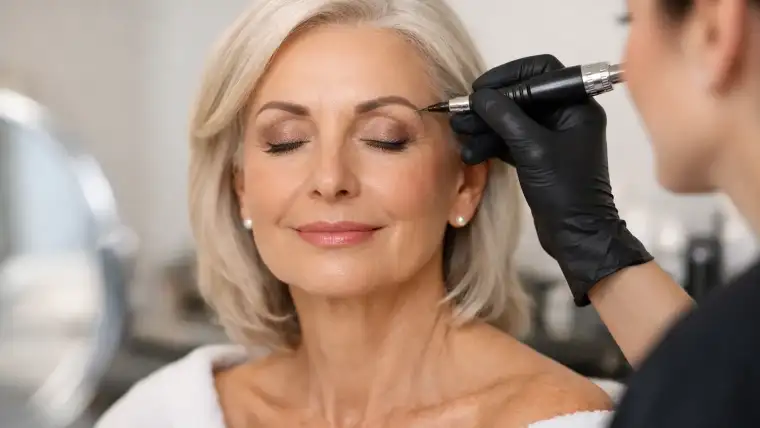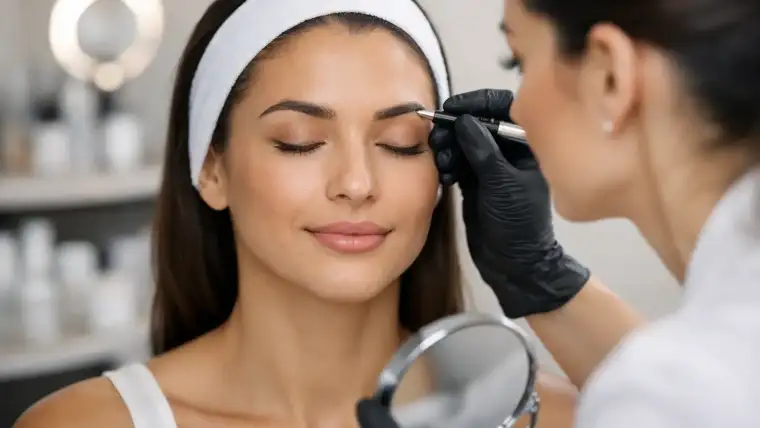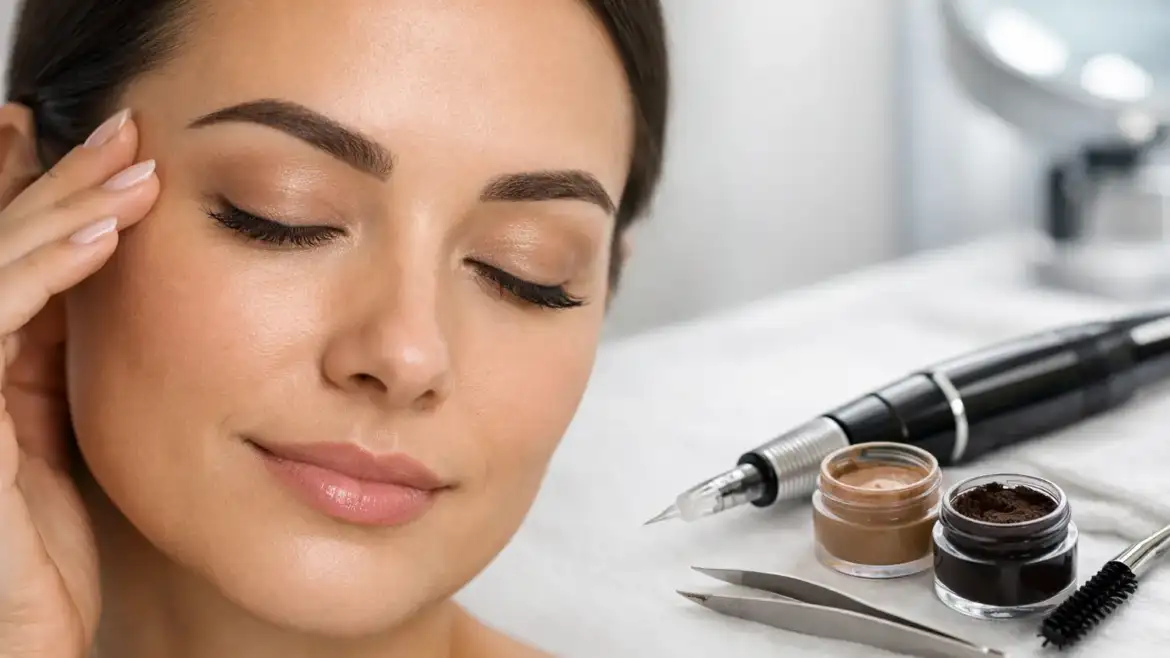
A healed eyebrow tattoo can look quite different from its fresh appointment-day appearance. Colour softens, individual strokes settle into the skin, and the final shape becomes easier to assess in natural light. If you are wondering how to improve healed eyebrow tattoo results, the most effective approach is not to rush into another treatment. It is to understand what has healed, why it has healed that way, and what your skin and existing pigment can realistically support.
Natural-looking brows are built in layers of careful decision-making. A light result is not always a failed result, and a darker result is not always the answer. The best next step depends on your skin type, previous tattoo history, lifestyle, facial features and the original technique used.
Start by assessing the true healed result
Brows need time to settle before they can be judged properly. During healing, it is common for colour to appear darker at first, then lighter or slightly uneven as the skin renews. In the weeks that follow, pigment gradually reappears and softens into its healed tone.
Looking closely too early can lead to unnecessary concern. Once the healing period advised by your artist has passed, assess your brows in daylight and without trying to compare them to the fresh result. Consider whether the concern is mainly colour retention, shape, density, symmetry or the way the brows suit your face.
A small degree of natural asymmetry is normal. Brows are sisters, not identical twins, because the muscles, bone structure and hair growth on each side of the face are rarely the same. The goal is balanced facial harmony, not a rigidly matching pair of brows.
Understand why eyebrow tattoos heal differently
Cosmetic tattooing is highly individual. Two clients can have the same technique and aftercare yet experience different healed results. Skin behaviour has a great deal to do with it.
Oilier skin may soften crisp hairstrokes more quickly, while dry or mature skin can retain pigment differently across areas of varying texture. Existing brow tattoo pigment, sun exposure, regular exercise, skincare routines and natural skin renewal can also affect how colour settles and fades over time.
Technique matters too. Nano brows, microblading, ombré brows and combination brows each heal with a different finish. Fine hairstrokes can create beautiful realism, but they may not be the most reliable option for every skin type or for brows with old work underneath. A soft powder or combination approach may offer a more even healed appearance in some cases.
This is why a professional assessment should focus on the skin in front of the artist, rather than on a trend or a reference photo alone.
Use a perfecting appointment thoughtfully
For many clients, the perfecting appointment is where the design is refined. It gives the artist an opportunity to see how the pigment has retained, make carefully considered adjustments, and build definition only where it is genuinely needed.
This appointment is not about making brows dramatically darker by default. It may involve reinforcing areas that healed lighter, balancing the tail, adding soft density through the body of the brow, or subtly adjusting the colour selection. When performed with restraint, these refinements can make a meaningful difference while preserving a soft, believable result.
If your brows have healed very lightly, resist the temptation to repeatedly add more pigment without a clear plan. Overworking the skin can reduce clarity and create a result that feels heavier than intended. A skilled artist will explain whether further work is appropriate now, whether more healing time is needed, or whether a different technique would better suit your skin.
Follow aftercare beyond the first few days
Good healed results begin with good aftercare, but the longer-term habits matter as well. Your artist’s instructions should always take priority, as aftercare can differ according to technique, skin type and the products used.
In general, treating the brow area gently while it heals helps protect the work. Avoid picking, scratching or trying to lift away flaking skin. Letting the skin renew naturally supports cleaner colour retention and reduces the risk of uneven patches.
Once the area is fully healed, mindful sun protection is one of the simplest ways to help preserve the appearance of cosmetic tattoo pigment. Direct sun exposure can contribute to fading over time, particularly for clients who spend plenty of time outdoors. A broad-brimmed hat and suitable sun protection around the healed brow area can be practical additions to your usual routine.
Be mindful of strong active skincare products near the brows as well. Products designed to encourage skin turnover may cause cosmetic tattoo colour to fade sooner when used repeatedly over the area. You do not need to avoid your preferred skincare routine altogether, but it is wise to discuss placement and timing with your artist if brow longevity is a priority.
Choose colour for longevity, not just intensity
When clients ask how to improve healed eyebrow tattoo results, colour is often at the centre of the conversation. They may feel their brows are too warm, too cool, too light or simply less defined than expected.
The answer is rarely a single darker pigment. Fresh colour often appears stronger than the healed result, so experienced cosmetic tattoo artists select shades with healing in mind. The right choice takes into account your natural brow hair, complexion, undertones, previous pigment and the amount of definition you want to see day to day.
For mature clients especially, a soft, well-balanced colour can be more flattering than a very dark or heavily saturated brow. The aim is to restore gentle structure around the eyes and frame the face without creating a hard line. A refined result should still feel like you, just more polished.
If old cosmetic tattoo work has shifted in colour or become uneven, correction requires even more care. The existing pigment affects what can be placed over it successfully. In some cases, an adjustment can improve the overall tone and shape; in others, the safest and most elegant recommendation may be to work gradually and conservatively. Honest advice is essential here.
Consider whether the shape still serves your face
A brow shape that looked right several years ago may not be the shape that best suits you now. Facial expressions, natural hair patterns and personal style can change, while older cosmetic tattooing may have faded outside the ideal shape.
Improving a healed result can sometimes mean refining the architecture rather than adding more density everywhere. A slightly softened front, a more balanced arch or a cleaner tail can make the brow appear more intentional without looking overdone.
This requires careful measuring, but it should never become a formula applied to every face. Brow design needs to work with your natural bone structure, eye shape, brow hair and the way your features move when you speak or smile. A personalised design will usually age more gracefully than a dramatic trend-led shape.
Know when to seek a professional review
If you have patchiness, fading, old pigment, changed colour or a shape that no longer feels balanced, a consultation is the sensible place to begin. Bring clear information about any previous cosmetic tattooing where possible, including when it was performed and the technique used. This helps the artist create a realistic plan.
At ELKA Clinic, brow assessments are centred on healed results, not pressure to proceed. An experienced artist can explain what is achievable with your current skin and pigment, which technique may be most suitable, and whether a subtle refresh, correction or more time is the right path.
Give your brows the benefit of patience
The most beautiful healed eyebrow tattoos tend to be the ones approached with patience. They are shaped with restraint, refined at the right time and maintained in a way that respects both the skin and the face.
Rather than chasing a bold immediate change, aim for brows that bring quiet definition to your features each morning. With thoughtful planning and skilled, personalised care, a healed result can remain soft, balanced and confidently natural.