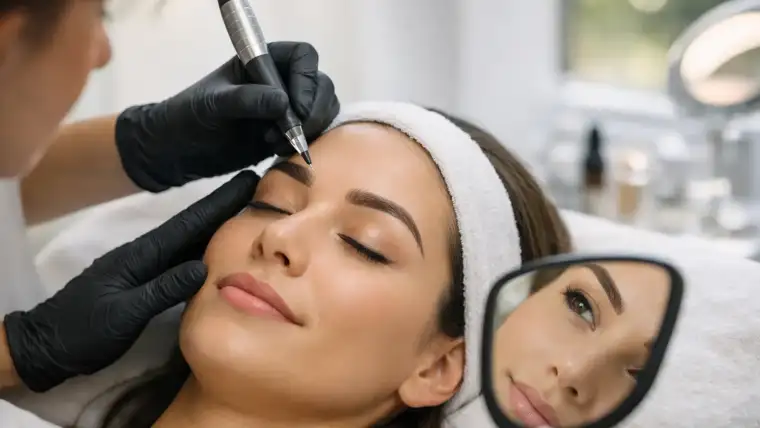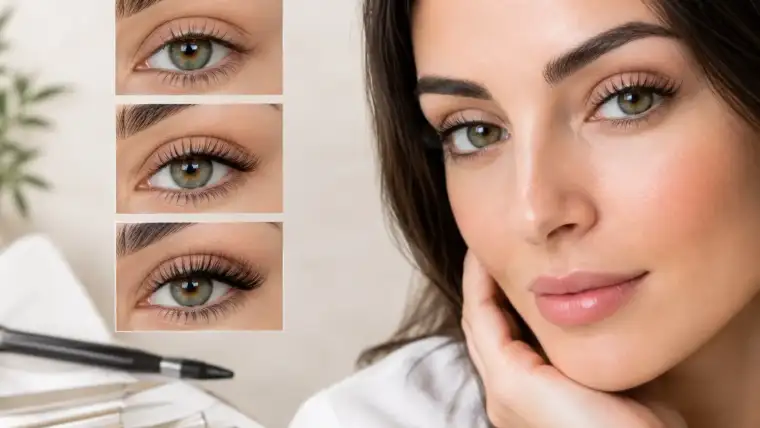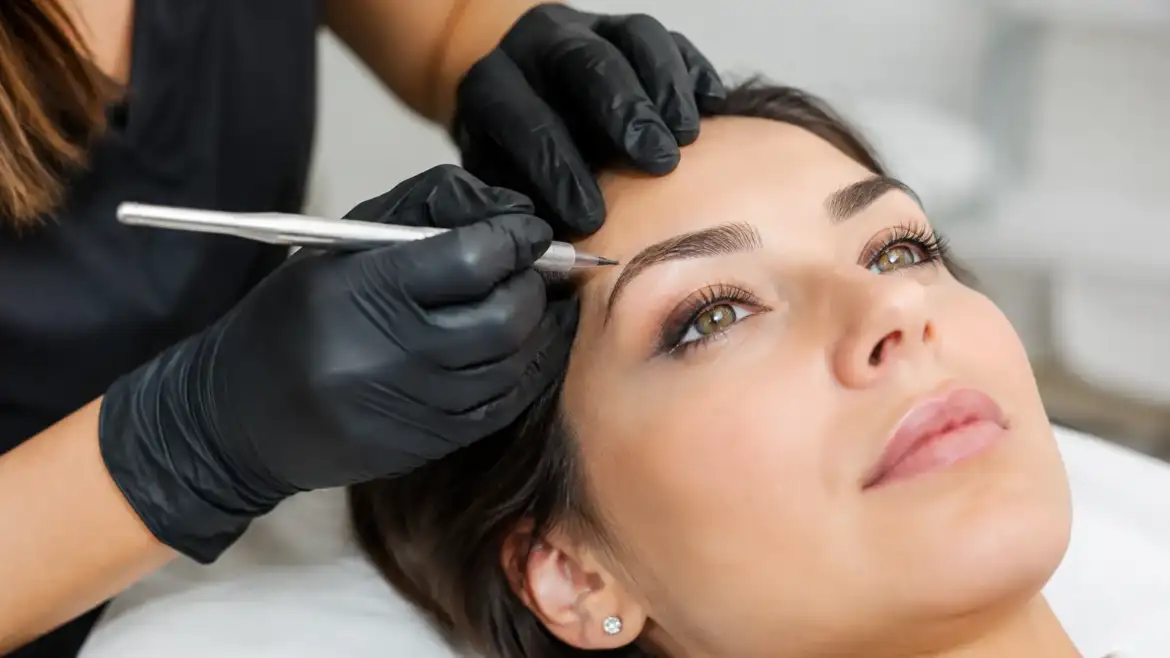
A cosmetic tattoo should make life feel easier, not leave you feeling as though you need to hide your brows, lips or eyeliner. When previous work has healed too dark, too warm, uneven or no longer suits your features, a corrective cosmetic tattoo can offer a thoughtful path forward. The right approach is never a quick cover-up. It begins with an honest assessment, a carefully designed plan and the patience to prioritise healed results over an immediate fix.
At ELKA Clinic, correction work is approached with the same care as a new treatment, with extra attention given to the existing pigment, your skin and the result you would genuinely feel comfortable wearing every day.
What is a corrective cosmetic tattoo?
A corrective cosmetic tattoo is a tailored treatment designed to improve the appearance of previous cosmetic tattoo work. It may involve adjusting shape, balancing asymmetry, softening an overly strong result, modifying unwanted undertones or creating a more natural-looking overall finish.
Correction is not one single technique. An eyebrow tattoo that has faded grey may require a different strategy from lip blush that has healed unevenly. Likewise, eyeliner correction depends on pigment placement, density and whether the existing design still suits the eye shape. The goal is not simply to place fresh pigment over old pigment. It is to make a considered decision about what can be refined safely and beautifully.
For some clients, correction can be achieved through carefully selected colour and reshaping. For others, it may be wiser to allow more fading before new work is performed. A trusted artist should be clear about this from the beginning, even when the answer requires more patience than expected.
Why cosmetic tattoo corrections need a personalised plan
Previous cosmetic tattoo work changes the starting point. Old pigment can sit at different depths, fade unpredictably and respond differently depending on the original technique, colour choice, age of the tattoo and individual skin characteristics. What looks soft in one area may heal more prominently in another.
This is why a photograph alone is rarely enough to confirm the best correction plan. An in-person consultation allows the artist to assess the pigment in natural light, examine the existing shape in relation to your facial structure and understand what you would like to change. Your lifestyle, skin type, previous treatment history and preference for subtle or more defined results all matter.
A mature client, for example, may benefit from a softer brow structure that restores definition without creating a heavy frame around the face. Someone with previously overextended brow tails may need a revised shape that brings the focus back to the natural brow area. For lip work, the priority may be creating a more even-looking tone and a delicate wash of colour that still feels like your own lips.
Correction work is often about restraint. Adding too much density or choosing colour that is too cool, too warm or too saturated can make an existing concern harder to resolve. The most refined results usually come from small, strategic changes built over an appropriate treatment plan.
The consultation: where good correction begins
A quality consultation should feel calm, transparent and unhurried. It is your opportunity to discuss what concerns you about the existing tattoo and what a successful result would look like for you. Bring clear photos of the work when it was fresh, if you have them, as well as any information you know about the previous procedure.
Your artist will consider the current colour, shape, saturation and position of the pigment. They will also look at how the tattoo sits when your face is relaxed and in expression. Brows are not naturally identical, and attempting to force perfect symmetry can look artificial. Instead, the aim is visual balance – a result that works harmoniously with your individual features.
You should also expect an open conversation about what is realistic. Cosmetic tattoo correction can significantly improve the appearance of previous work, but it cannot always erase every trace of it. Setting realistic expectations is part of professional care. It protects the integrity of your result and gives you confidence that your treatment is being planned with your long-term satisfaction in mind.
When a correction may need to wait
Sometimes the most responsible recommendation is to wait. If existing pigment is very saturated, has shifted in colour considerably or sits beyond the area where a flattering new shape could be created, adding more tattooing may not be the best first step.
Allowing pigment to fade further can give the artist more flexibility and prevent the final result from becoming too dense. This can feel disappointing when you are ready for change, but it is often the decision that leads to a softer and more natural outcome later. A premium correction service values the condition of the canvas over a rushed appointment.
How colour correction works
Colour is one of the most delicate parts of corrective work. Cosmetic tattoo pigment does not always fade evenly. Brows may appear ashy, reddish or warm, while lip pigment may lose consistency across the treated area. Correcting these tones requires an understanding of colour behaviour as well as a careful choice of pigment suited to your complexion and existing tattoo.
Rather than chasing a dramatic colour shift in one appointment, an experienced artist may work gradually. This allows the skin to heal, reveals how the chosen pigment settles and helps avoid an overworked appearance. Fresh cosmetic tattoo always looks more pronounced at first. The true result develops through the healing process, which is why healed work should guide every decision.
For brow correction, the final aim is often a soft, believable brow that complements your natural colouring rather than a bold block of pigment. Depending on your existing work and desired finish, nano-style strokes, powder shading or a combination approach may be considered. The technique should be chosen because it serves your correction plan, not because it is currently popular.
The healing process and follow-up appointments
Corrective cosmetic tattoo requires patience after the appointment as well as during it. Colour can look deeper initially, then appear lighter as the skin heals before gradually settling. This is a normal part of the process and one reason it is wise not to judge a result too early.
Follow the personalised aftercare provided by your artist carefully. Keeping the area protected and allowing it to heal without unnecessary interference supports the best possible pigment retention. Your artist will also explain when a review or perfecting session may be appropriate.
More than one session is common in correction work. This is not a sign that something has gone wrong. It reflects the fact that existing pigment, skin response and the desired refinement need to be assessed gradually. A staged approach gives your artist the opportunity to adjust with precision rather than making changes that cannot easily be softened.
Choosing the right artist for cosmetic tattoo correction
Correction is a specialist area because it calls for artistic judgement, technical skill and the confidence to say no when a treatment is not yet suitable. Look beyond a fresh treatment photo. Ask to see healed examples where possible, particularly work that reflects concerns similar to your own.
Experience with a broad range of skin types, ages and previous tattoo outcomes matters. So does an artist’s willingness to explain why a particular design, colour or timeline has been recommended. You should never feel pressured into a style that does not feel like you.
A few qualities are especially valuable when choosing a correction artist:
- A strong focus on healed, natural-looking results rather than overly saturated fresh work.
- Careful facial mapping and a bespoke shape designed around your features.
- Clear communication about what can be improved and where limitations may exist.
- Premium hygiene standards, quality pigments and detailed aftercare guidance.
- A patient approach that allows enough time for planning, healing and refinement.
For clients in Perth, choosing an established clinic can also offer reassurance that your treatment is being guided by experience rather than a one-size-fits-all solution.
A softer result can still make a meaningful difference
The most successful correction rarely announces itself. It may mean brows that no longer dominate your face, lips that appear more even and refreshed, or eyeliner that restores definition without looking harsh. These changes can be subtle, yet they often make getting ready feel simpler and help you feel more like yourself again.
If previous cosmetic tattoo work has left you uncertain, begin with a consultation rather than a commitment. A careful, personalised conversation can bring clarity to the next step and ensure any future treatment is designed to feel balanced, elegant and truly yours.