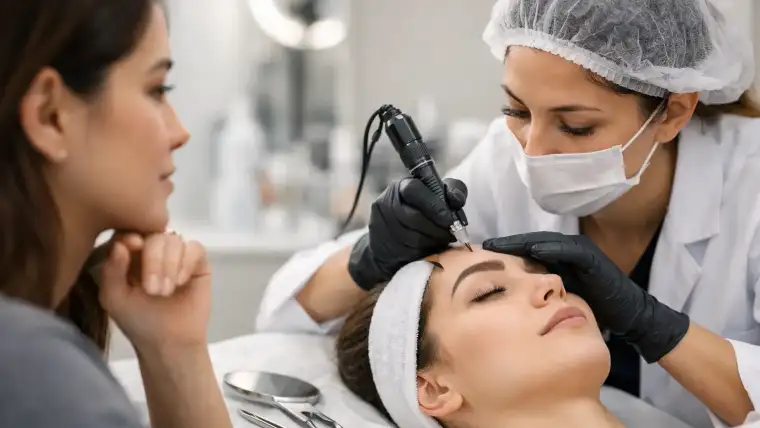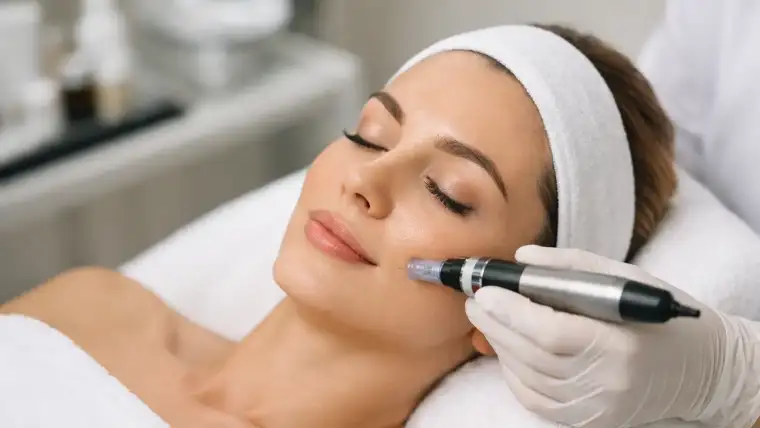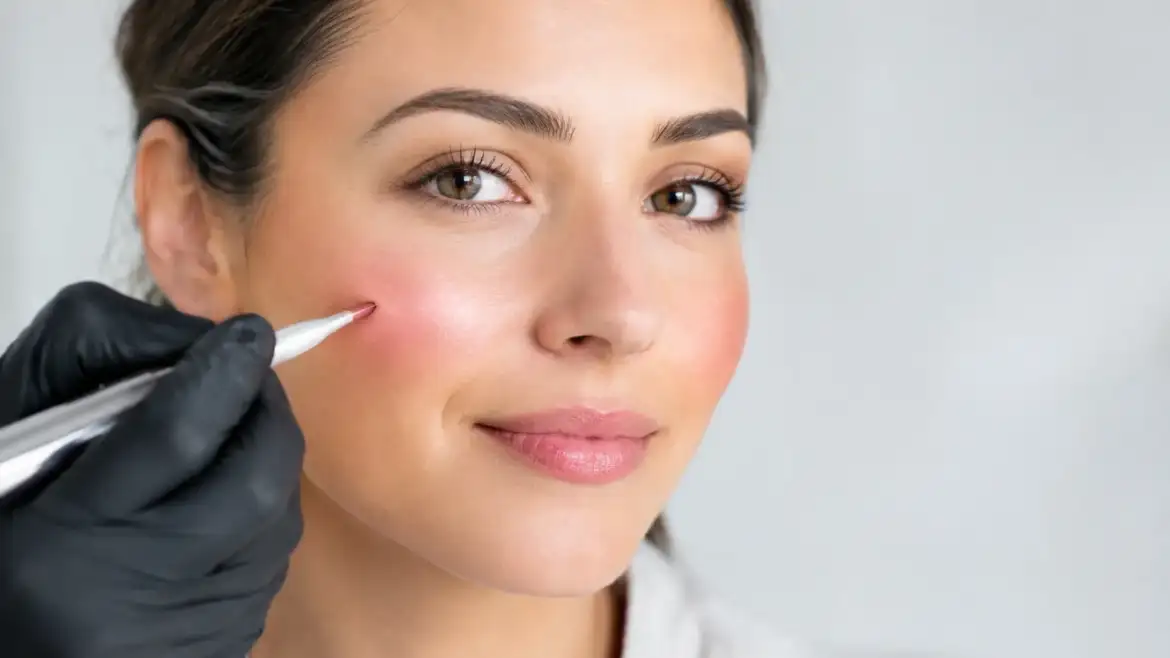
A softly flushed cheek can make the face appear more awake, balanced and naturally healthy, even on days when you would rather keep your routine minimal. Semi permanent cheek colour is often searched by people wanting that gentle, fresh-looking warmth to remain beyond a single application of blush. Before considering it, however, it is worth understanding exactly what the term can mean and why treatment planning matters so much in this highly visible area of the face.
What semi permanent cheek colour really means
Semi permanent cheek colour generally refers to the placement of cosmetic pigment to create a sheer blush or warmth through the cheeks. It may also be described as a cheek tint tattoo or cosmetic blush tattoo. Unlike conventional make-up, the aim is not a strong stripe of colour or a permanently “made-up” finish. When approached with restraint, the intended result is a subtle wash that supports the complexion rather than competing with it.
The phrase “semi permanent” can be misleading. Cosmetic tattoo pigment is implanted into the skin and fades gradually, but its longevity is never identical from one person to another. Skin type, sun exposure, skincare habits, pigment choice, lifestyle and individual healing all influence how colour settles and changes over time. It should be regarded as a considered cosmetic tattoo decision, rather than a short-term substitute for blush.
Cheek colour is also less straightforward than it may appear on social media. Brows, lips and eyeliner have natural facial landmarks that help guide shape and placement. Cheek colour requires an especially refined eye for facial structure, undertone and proportion. A result that looks beautiful immediately after a treatment must also be designed to soften naturally once healed.
The difference between a fresh flush and a fixed blush
The appeal of semi permanent cheek colour is understandable. Many people enjoy the idea of looking lightly rested and polished without needing to apply make-up each morning. For clients whose natural complexion has become less even-looking over time, a carefully chosen tone may also create the impression of more warmth and dimension.
Yet cheeks are one of the most expressive and changeable areas of the face. Natural flushing, changes in complexion through the seasons, skincare choices and even a preferred make-up look can alter how a cheek tint is perceived. A colour that feels perfect with a summer complexion or a favourite bronzer may not feel the same later.
This is why a soft approach is essential. The most elegant result should not look like obvious blush when someone is standing at a normal conversational distance. It should simply appear as though the face has a little more life and harmony. Building colour too intensely, selecting an unsuitable undertone or placing pigment too low or too centrally can make the cheeks appear less natural rather than more refined.
Colour should be chosen for the healed result
The colour visible immediately after cosmetic tattooing is not the final colour. Fresh pigment can look stronger, warmer or more pronounced during the early stage, then settle as the skin recovers. Skilled treatment planning accounts for this transition rather than judging success only by the initial appearance.
Undertone is equally important. A pink that looks attractive in a photograph may not complement every complexion. Some people suit a delicate peach-toned warmth, while others may prefer a muted rose or a more neutral hue. The right choice depends on the natural colouring of the skin, lips and surrounding facial features, as well as the level of enhancement the client feels comfortable wearing day to day.
For mature clients, subtlety is often particularly valuable. A softly placed, diffused tone can look more timeless than a bright or sharply defined cheek effect. The goal is to restore a sense of gentle radiance, not to create a trend-led finish that may feel out of place over time.
Who may be suited to cheek tinting?
The right candidate is not simply someone who likes blush. Semi permanent cheek colour may appeal to people who consistently wear a similar soft blush tone, prefer a low-maintenance beauty routine and understand that the result needs to be understated to remain versatile.
It may be less suitable for someone who changes their make-up style frequently, enjoys experimenting with vivid cheek colours or expects a precise powder-blush effect. It can also be difficult to predict a perfect outcome for every skin type, particularly where skin texture, oiliness or pigment retention affects the way colour heals. An experienced artist should be open about these considerations rather than promising that every complexion will hold colour in exactly the same way.
People with existing cosmetic tattoo work, a history of sensitivity, or areas of uneven pigment in the cheeks should discuss this during a detailed consultation. The consultation is where an artist can assess the area in person, learn about beauty preferences and decide whether the treatment concept is appropriate. Occasionally, the most professional recommendation is to choose a more established enhancement, or to continue using conventional cheek colour instead.
Why consultation and design cannot be rushed
A premium cosmetic tattoo experience begins well before pigment is placed. For cheek work, consultation should focus on more than selecting a shade from a colour chart. The artist needs to understand how you normally wear your make-up, whether you prefer warmth or rosiness, how much definition feels authentic to you, and how your facial features sit both at rest and in expression.
Placement should follow the individual face, not a one-size-fits-all trend. The most flattering area for colour can vary according to cheekbone structure, facial width and the natural movement of the smile. A thoughtful artist will favour balance and diffusion over harsh edges, and will explain what can realistically be achieved.
At ELKA Clinic, the philosophy behind every cosmetic enhancement is that it should look soft, balanced and genuinely suited to the person wearing it. That same principle is especially relevant for any consideration of cheek pigment. A treatment is only successful if it continues to feel like you.
Healing expectations and long-term care
The early healing period requires patience. The treated area can initially look more noticeable than expected, and colour may appear to change as the skin recovers. It is important not to judge the outcome too quickly or assume that the first-day appearance represents the healed tone.
Following the artist’s personalised aftercare instructions is an important part of protecting the result. Clients are generally asked to keep the area clean, avoid picking or rubbing, and take care around products or activities that may interfere with the healing process. Your artist should provide clear guidance tailored to the treatment and answer questions if something does not appear as expected.
Long-term, sun exposure and active skincare can influence how cosmetic pigment fades. Fading is not necessarily a flaw. For a soft cosmetic result, gradual change allows colour to be reassessed over time as your skin, preferences and overall look evolve. Any future refresh should be approached conservatively, with attention to the existing tone rather than automatically adding more intensity.
Questions worth asking before you proceed
Before committing to semi permanent cheek colour, ask to see healed work rather than relying only on freshly completed images. Healed examples provide a far more useful indication of an artist’s restraint, colour judgement and consistency.
You should also ask how the proposed shade and placement have been chosen for your complexion, what the likely healing journey involves, and whether the artist believes your desired effect is realistic. A trustworthy consultation makes space for honest answers, including occasions where a treatment may not be the best fit.
The right cheek enhancement should never feel like a mask you have to live with. It should feel considered, quiet and beautifully in keeping with your own features – the kind of detail that lets you look in the mirror and recognise yourself, only a little more refreshed.