Skin can begin to look less smooth or luminous for many reasons: changes in collagen over time, previous breakouts, sun exposure, or simply the demands of a busy life. This guide to microneedling for collagen stimulation explains what the treatment is designed to do, what a considered treatment journey looks like, and why personalised planning matters more than a one-size-fits-all approach.
At ELKA Clinic, microneedling is approached as a refined skin-rejuvenation treatment, not a quick fix. The aim is to support skin that appears smoother, fresher and more even over time, while respecting your skin type, current condition, lifestyle and realistic goals.
What microneedling is designed to do
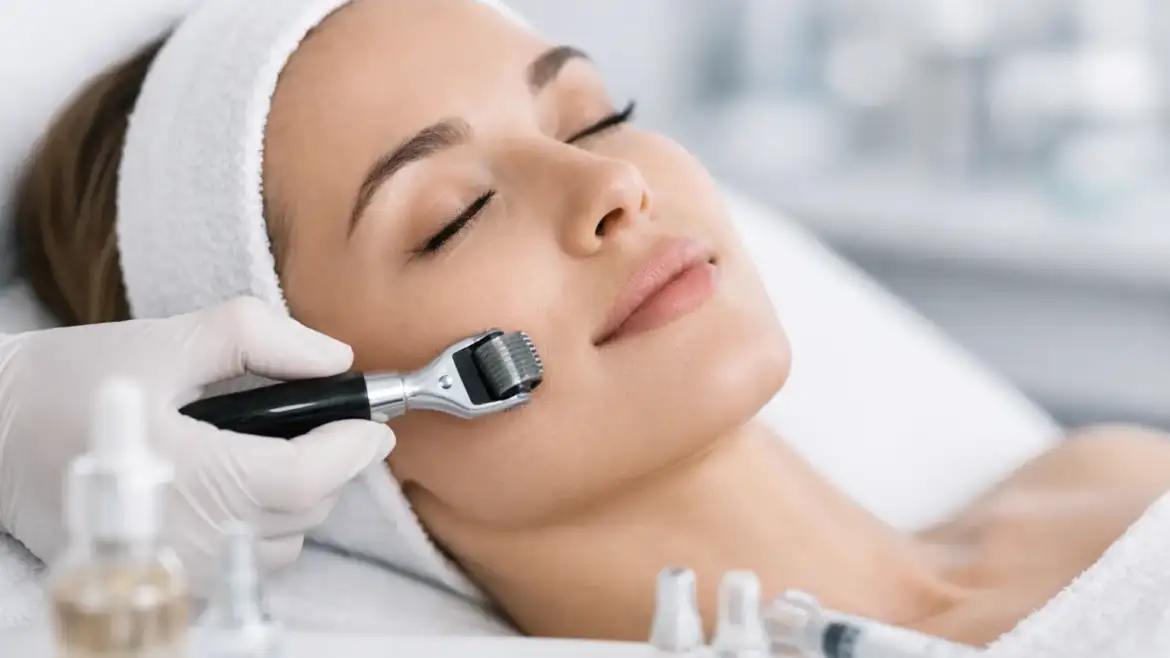
Microneedling is a professional skin treatment that uses a device with very fine needles to create controlled microchannels across the skin. This process is designed to encourage the skin’s natural renewal response, including collagen and elastin production. Collagen is one of the key structural proteins that helps skin retain a firmer, more supported appearance.
The treatment is often chosen by clients who would like to improve the visible appearance of uneven texture, enlarged-looking pores, fine lines, dullness or the textural marks left after breakouts. It can also suit clients who feel their skin has lost some of its smoothness and bounce over the years.
Results develop gradually because the skin’s renewal process takes time. That is part of microneedling’s appeal for clients who prefer subtle, natural-looking improvement rather than an abrupt change. The goal is skin that still looks like your skin, simply more refined and refreshed.
A guide to microneedling for collagen stimulation: why planning matters
The device is only one part of a quality microneedling treatment. Needle depth, treatment areas, the condition of the skin on the day, aftercare and the spacing between appointments all influence the experience and visible outcome. A premium treatment should never feel rushed or generic.
During a consultation, your practitioner should listen carefully to what concerns you most. For one person, that may be makeup settling into texture around the cheeks. For another, it may be a tired-looking complexion, fine lines or uneven skin texture that has become more noticeable in certain light.
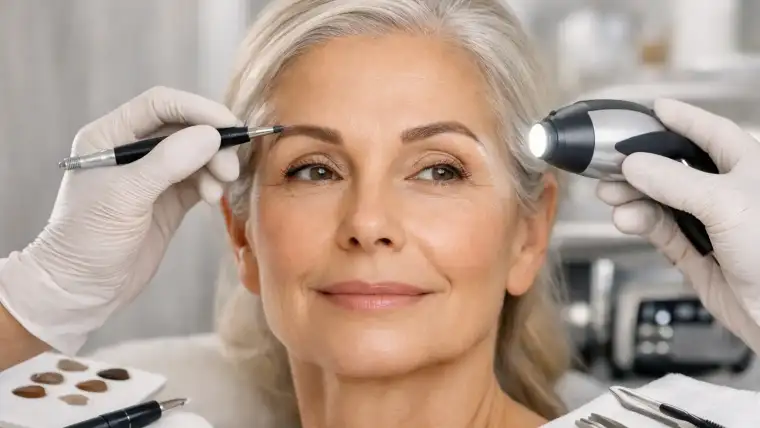
Your treatment plan should account for your skin’s sensitivity, resilience and healing response. Mature skin, for example, often benefits from a gentle, considered approach that prioritises comfort and gradual renewal. Skin with visible textural irregularities may require a different schedule and focus. Neither approach is automatically better – the right choice depends on your individual skin and goals.
This is also the time for honest expectations. Microneedling can support visible skin renewal, but it cannot promise identical results for every client or erase every concern completely. Thoughtful treatment planning is about identifying meaningful, achievable improvement and allowing enough time to assess how your skin responds.
What happens during an appointment
A professional appointment begins with preparation. Your skin is assessed and cleansed, then the treatment is tailored to the agreed areas and plan. The microneedling device is passed methodically over the skin to create the controlled microchannels needed for the treatment.
Most clients describe the sensation as manageable, though it varies according to the area being treated and individual sensitivity. The forehead can feel different from the cheeks, for example. Your practitioner should communicate clearly throughout, check your comfort, and work with precision rather than haste.
The appointment is not simply about treating every area equally. A skilled practitioner considers facial contours, skin thickness and the degree of visible texture in each area. This careful approach supports a balanced result and avoids treating skin as though it has the same needs everywhere.
Following treatment, the skin may look flushed and feel warm or tight for a short period. This is a normal part of the immediate post-treatment appearance for many clients. Your practitioner will provide tailored aftercare instructions so you know what to expect and how to care for the skin while it settles.
Healing: the quiet part of the process
Microneedling is not a treatment to judge the moment you leave the clinic. While any initial redness settles relatively quickly for many clients, collagen renewal is a longer process. The skin continues to go through its own natural response in the weeks following an appointment.
This is why consistency often matters more than chasing intensity. Depending on your starting point and goals, a series of treatments may be recommended, with appointments spaced to give the skin time to respond. Some clients notice an earlier improvement in glow or surface smoothness, while changes in texture and overall skin quality tend to be more gradual.
Aftercare plays a valuable role. In the days after treatment, the focus is on being gentle with your skin and following the specific guidance provided by your practitioner. Avoid introducing unnecessary products or activities that may irritate the area while it is settling. If you are unsure about any part of your aftercare, it is always best to ask rather than guess.
Protecting your skin from sun exposure is also an ongoing part of maintaining a clear, even-looking complexion. It is not about perfection. It is about giving your treatment plan the best possible conditions to work as intended.
Who may benefit from microneedling?
Microneedling can be a considered option for adults seeking a non-surgical way to improve the appearance of skin texture and overall radiance. It is particularly popular with clients who want visible refinement without changing their facial character or relying on an overdone look.
It may suit those concerned by the appearance of:
- Fine lines and early signs of skin ageing
- Uneven texture or enlarged-looking pores
- Dullness and a lack of luminosity
- The visible textural effects of previous breakouts
Suitability is not determined by a list alone. Your skin needs to be in an appropriate condition on the day of treatment, and there are times when postponing is the more responsible choice. Active irritation, sensitivity or recent changes to the skin may affect timing. A professional consultation allows these considerations to be assessed properly before proceeding.
How to choose a clinic with confidence
For a treatment that intentionally creates microchannels in the skin, hygiene, experience and careful technique should be non-negotiable. Look for a clinic that takes time to understand your goals rather than promising a standard result, explains the process in clear language, and provides genuine aftercare support.
It is also worth considering whether the practitioner values healed and long-term results. A treatment can look promising immediately after an appointment, but the more meaningful measure is how your skin progresses over the following weeks and across a well-planned series.
At ELKA Clinic in Perth, every skin treatment is planned with the same philosophy that guides our cosmetic tattoo work: natural beauty should look soft, balanced and never overdone. That means respecting the individuality of your skin and recommending a path that feels appropriate for you, rather than following a trend.
Preparing for your consultation
Come to your consultation ready to discuss what you see in your skin, what you have tried previously, and what kind of result would feel worthwhile to you. Photographs can be helpful if your concerns fluctuate or are more visible at particular times. It is equally useful to share practical details, such as upcoming events, travel or a schedule that may affect when you can comfortably allow for the initial settling period.
A good consultation should leave you feeling informed, not pressured. You should understand the proposed treatment approach, the likely treatment timeline, the aftercare commitment and the fact that skin renewal is a process. There is real value in taking the time to choose a plan you feel comfortable with.
The most satisfying microneedling results tend to come from patience, professional guidance and a treatment plan shaped around your skin rather than someone else’s. When the approach is measured and personal, gradual renewal can become a quiet but meaningful part of feeling more confident in your own complexion.