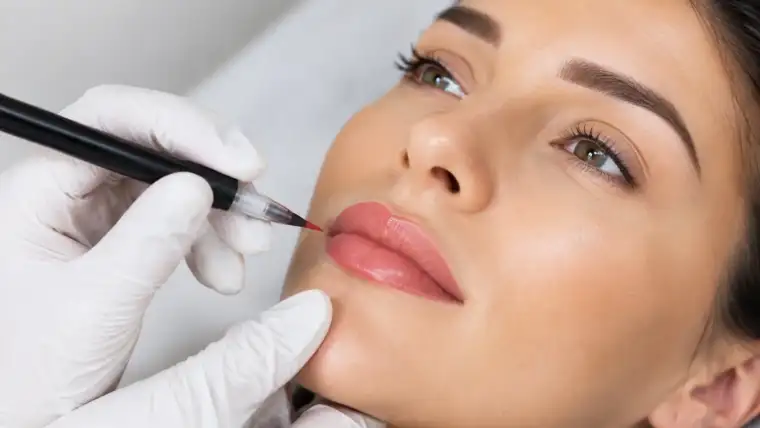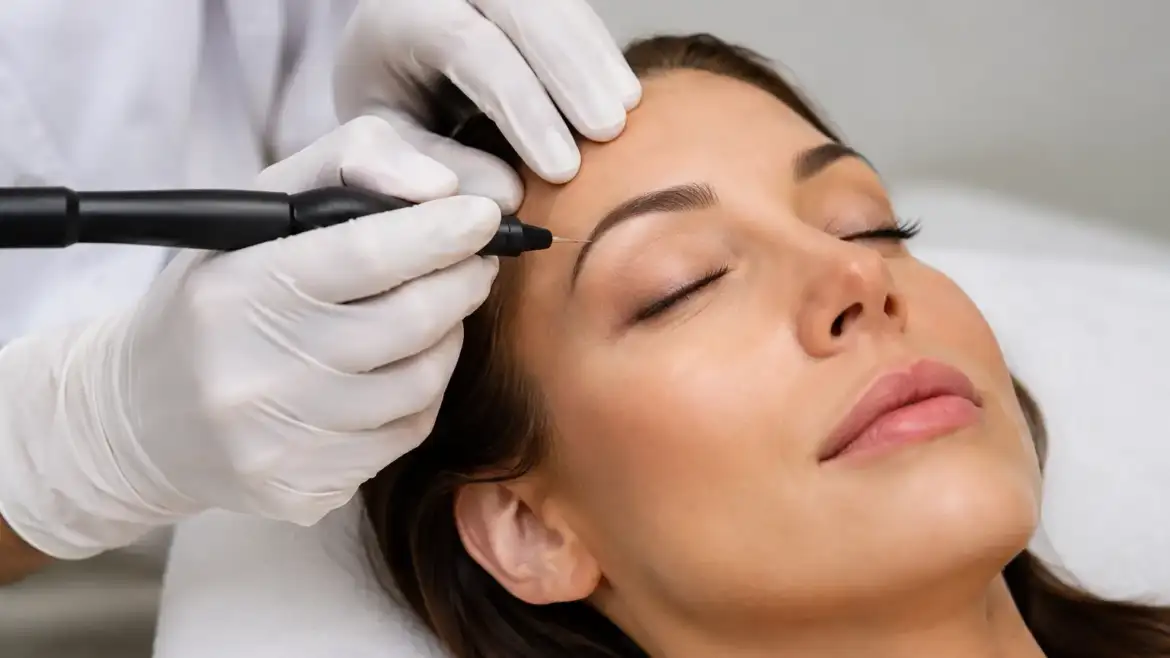
The eye area can be one of the first places where skin texture and fine lines become more noticeable. For clients who want a refreshed, rested-looking appearance without an overdone result, plasma pen blepharoplasty is often a treatment they wish to understand properly before committing. The key is not simply treating lines or loose-looking skin. It is assessing the area carefully, respecting its delicacy and creating a plan that suits your skin, lifestyle and expectations.
At ELKA Clinic, the focus is always on considered, natural-looking enhancement. Plasma pen treatment around the eye area is approached with precision, conservative planning and a clear understanding that good results are shaped as much by healing and aftercare as the treatment itself.
What is plasma pen blepharoplasty?
Plasma pen blepharoplasty is a term commonly used for plasma pen treatment designed to improve the appearance of fine lines, crepey texture and lax-looking skin around the upper or lower eye area. A plasma pen creates small, controlled points on the skin’s surface. These points are used in a planned pattern to support the skin’s natural renewal response and encourage a firmer, smoother-looking finish over time.
Despite the technical-sounding name, the treatment is highly individual. The skin around the eyes is thinner than many other areas of the face, and every client presents with a different combination of texture, movement, pigmentation tendencies and degree of skin laxity. A treatment that looks appropriate for one person may not be appropriate for another.
The intention is refinement, not transformation. When treatment is well planned, the goal is to soften the visible signs of tired-looking or textured skin while preserving the expressions and character that make your face your own.
Why consultation matters around the eyes
The eye area deserves a more detailed consultation than a simple glance in the mirror can provide. Before plasma pen treatment is considered, a practitioner should assess the skin quality, the location and depth of lines, previous treatments, your tendency towards pigmentation changes and how much downtime you can realistically allow for healing.
Your desired outcome also matters. Some clients are primarily concerned with a fine, crinkled texture that becomes more obvious under concealer. Others notice a heavier-looking upper eye area or lines that affect the way the skin reflects light in photographs. These concerns may sound similar, but they require different treatment planning.
An honest consultation also includes recognising when a conservative approach is best. More treatment is not automatically better, particularly in an area where subtle changes can make a meaningful difference. Clients with mature skin often benefit from an approach that prioritises skin quality, softness and gradual improvement rather than chasing an excessively tight appearance.
What happens during the treatment?
A plasma pen appointment begins with careful cleansing and preparation of the treatment area. The practitioner maps the area based on your facial structure, skin condition and the agreed treatment plan. During the procedure, the pen is held just above the skin to create precise surface points in a controlled pattern.
You can expect the appointment to be detail-focused. Around the eyes, precision matters more than speed. The treatment is designed around the specific area of concern rather than following a one-size-fits-all pattern.
Immediately afterwards, the treated points will be visible as tiny dots and the area may look red or puffy. This is a normal part of the visible healing process. For this reason, plasma pen treatment is best scheduled when you can give your skin the quiet time and care it needs, rather than fitting it in immediately before an important event.
Healing is part of the result
The small surface points formed during plasma pen blepharoplasty develop protective crusts as the skin heals. These should be allowed to come away naturally. Picking, rubbing or attempting to remove them early can interfere with the healing process and may affect the final appearance.
Swelling is common around the eyes, particularly in the first few days, and each client’s recovery can look different. Some people experience a relatively mild response, while others have more noticeable puffiness for a short period. This variation is one reason personalised aftercare guidance is essential.
Protecting the area from sun exposure during healing is especially important. Freshly treated skin can be more vulnerable to unwanted colour changes, so following your practitioner’s guidance around sun protection, skincare and activity is part of responsible treatment planning. You may also need to pause certain active skincare products before and after your appointment, depending on your individual plan.
Patience is required. The early appearance is not the final result. As the surface heals and the skin continues its natural renewal process, improvements in texture and firmness develop gradually. A professional clinic will be clear about this timeline and will not promise an instant or identical outcome for every client.
Who may be suited to a plasma pen treatment?
Plasma pen treatments can appeal to clients who want to address the appearance of fine lines, crepey texture or mild laxity around the eye area while keeping their overall look natural. It may also suit people who value a targeted treatment plan and are comfortable allowing time for visible healing.
Suitability depends on more than the concern you see in the mirror. Skin tone, skin sensitivity, healing history, lifestyle, sun exposure and any current skin irritation can all influence whether treatment is appropriate and how it should be performed. This is particularly relevant for clients prone to post-inflammatory pigmentation, where a cautious assessment is important.
It is also worth considering your expectations. Plasma pen treatment can support a fresher-looking eye area, but it does not erase every line, change facial anatomy or produce a perfectly uniform result. The most satisfying outcomes tend to come from clients who want their skin to look more refined, rested and well cared for rather than dramatically different.
Choosing quality over a quick fix
Plasma pen is often presented online as a simple treatment, yet the eye area is not a place for casual decision-making. The device itself is only one part of the experience. Practitioner training, treatment design, hygiene standards, skin assessment and aftercare support all influence the quality of the journey.
Before booking, look for a clinic that is comfortable discussing both the benefits and limitations of treatment. You should feel able to ask how the treatment is tailored, what the visible healing period may involve and whether your skin concerns are suitable for this approach. Clear answers are a sign of professional care.
It is sensible to plan around your calendar. If you have a holiday, wedding, work presentation or other important occasion approaching, allow generous time rather than assuming the area will settle on a fixed schedule. Healing is personal, and giving yourself space removes unnecessary pressure.
A refined approach to the eye area
The best aesthetic results rarely announce themselves. They look like you have been sleeping well, taking care of your skin and feeling more confident in your reflection. That is why treatment around the eyes should be designed with restraint, precision and respect for your natural features.
For clients in Perth considering plasma pen blepharoplasty, a complimentary consultation offers the opportunity to discuss your concerns without pressure. A thoughtful plan begins with being heard, understanding what is realistically achievable and choosing an approach that supports your skin’s appearance over time. When the treatment is right for you, subtle improvement can be the most elegant result of all.