Fine lines around the eyes, creasing above the lip and skin that no longer feels as firm as it once did can be frustrating, particularly when you still want to look like yourself. Plasma pen tightening is a precise, non-surgical skin treatment designed to support a firmer, smoother and more refined-looking complexion without creating an overdone result.
At ELKA Clinic, treatment planning begins with the skin in front of us, not a one-size-fits-all promise. Your skin quality, treatment area, lifestyle, healing capacity and desired level of change all influence whether plasma pen treatment is the appropriate choice and how it should be approached.
What is plasma pen tightening?
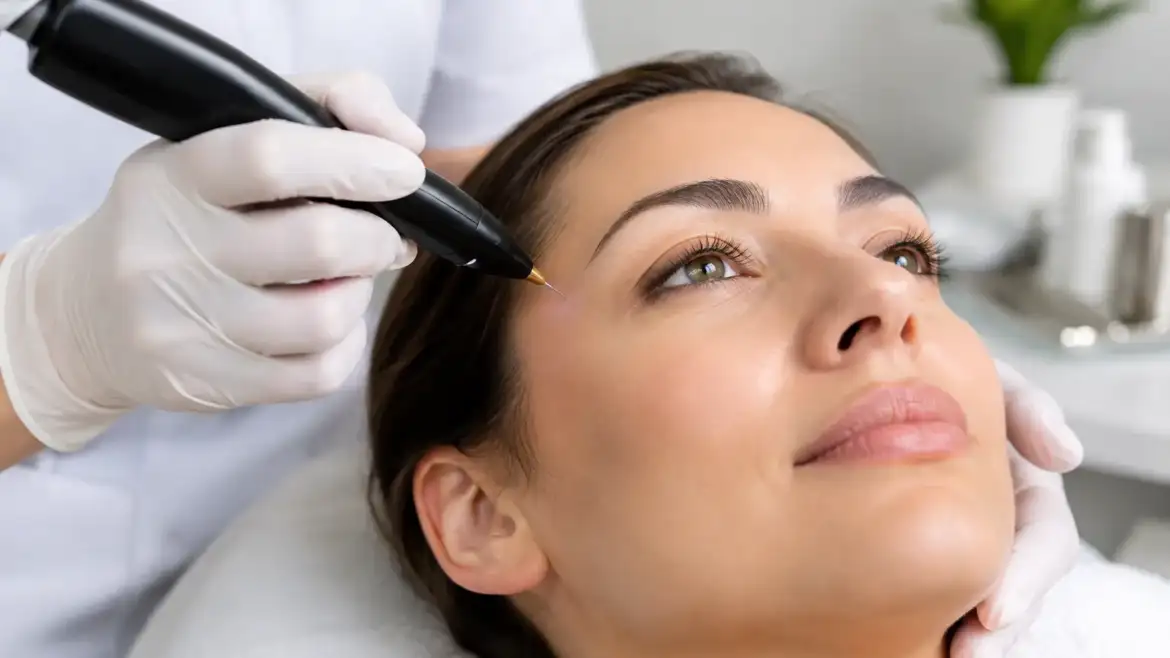
Plasma pen tightening is an advanced skin treatment that uses carefully controlled plasma energy on the surface of the skin. The device creates tiny, precise points on the treatment area without the tip entering the skin. This controlled process encourages the skin’s natural renewal response and supports collagen remodelling over time.
The aim is not to alter your features. It is to improve the appearance of selected areas where skin may look crepey, lined or less taut. Results should feel consistent with your face and age gracefully, rather than looking noticeably treated.
Plasma pen treatments are often considered for concerns such as fine lines, upper eyelid laxity, lines around the mouth, forehead creasing, neck texture and selected pigmentation or cosmetic skin lesion concerns. Suitability always depends on the individual area and the condition of the skin. A professional consultation is essential before deciding on treatment.
Why personalised treatment planning matters
Plasma pen work is highly technique-sensitive. The size, placement and density of treatment points need to be considered carefully, particularly on delicate areas such as around the eyes and mouth. More treatment is not automatically better. An elegant outcome comes from respecting the skin, working conservatively where needed and allowing adequate time for healing.
During a consultation, your practitioner should assess the area you would like to improve, discuss your expectations and explain what the treatment can realistically achieve. Skin tone, texture, sensitivity, sun exposure, current skin condition and history of pigmentation changes can all affect treatment suitability and aftercare planning.
For some clients, a series of treatments may be recommended. Others may benefit most from treating a smaller, targeted area. It depends on the degree of visible laxity, the quality of the skin and the outcome you are hoping to achieve. Honest guidance is particularly valuable when you are seeking subtle rejuvenation rather than a dramatic change.
What a treatment appointment involves
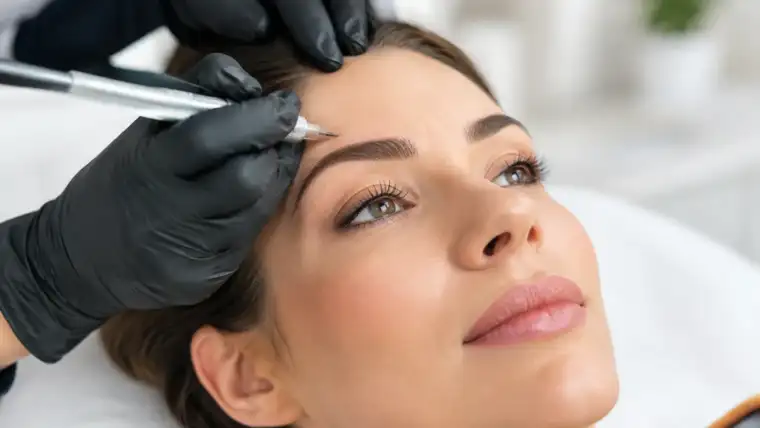
Your appointment begins with confirmation of the treatment plan and preparation of the skin. Once the area is cleansed and prepared, the plasma pen is used to create a controlled pattern of tiny treatment points. Most clients describe a warm, prickling sensation, although the experience differs depending on the area being treated and individual sensitivity.
Treatment time varies with the size and complexity of the area. A small, focused concern may take less time than a broader area requiring detailed pattern work. Precision should never be rushed. The treatment is performed methodically to support an even-looking result and a considered healing process.
Immediately afterwards, the skin will have a pattern of small superficial dots, known as carbon crusts. Mild swelling, redness and a feeling of warmth can also occur, particularly in more delicate facial areas. These expected short-term changes are part of the visible healing phase, so it is wise to plan your social and work commitments accordingly.
Healing after plasma pen tightening
The healing period requires patience. The small carbon crusts generally remain in place for several days before lifting away naturally. They should not be picked, scratched or prematurely removed, as this can interfere with the healing process and affect the final appearance of the skin.
Swelling can be more noticeable during the first few days, especially around the eyes. The exact duration varies between individuals and treatment areas. Your practitioner will provide personalised aftercare instructions, including how to keep the area clean, what to avoid and when you can return to your usual skincare and makeup routine.
Sun protection is a particularly important part of aftercare. Freshly treated skin needs careful protection from direct sun exposure while it recovers. Avoiding heat, friction, swimming and other activities advised against by your practitioner helps give the skin a calmer environment in which to heal.
The surface healing is only one part of the process. Skin remodelling continues gradually beneath the surface, which means results develop over time rather than appearing fully formed the next day. This is one reason plasma pen treatment suits clients who value a gradual, natural-looking refinement.
What results can you expect?
A well-planned plasma pen treatment may help the skin look smoother, firmer and more refreshed in the treated area. Fine lines may appear softened, and areas of lax-looking skin may look more refined once healing and skin renewal have progressed.
However, results vary. Skin age, elasticity, lifestyle, treatment area, aftercare and individual healing response all play a role. No ethical practitioner should promise a particular result, permanent correction or an identical outcome for every client. The goal is visible improvement that remains in harmony with your natural features.
It is also worth remembering that the treated area will continue to age naturally. Maintaining a considered skincare routine, protecting the skin from the sun and following professional guidance can help you care for your result over time.
Who may need a different approach?
Not every concern is suitable for plasma pen treatment, and not every skin type should be treated in the same way. Clients with active irritation, compromised skin, a tendency towards raised scarring, recent sun exposure or certain pigmentation concerns may need to delay treatment or explore another skin-focused option.
This is not a reason to feel discouraged. It is a reason to choose a clinic that is prepared to say when treatment should wait, be modified or may not be the best fit. A premium treatment experience includes careful screening, clear communication and recommendations that place skin integrity ahead of a quick booking.
If you are preparing for an important event, allow generous time rather than scheduling treatment immediately beforehand. Even when initial surface healing progresses smoothly, the skin needs time to settle and reveal its developing result. Planning ahead gives you more comfort and a more realistic expectation of the process.
Choosing plasma pen treatment with confidence
When considering plasma pen tightening in Perth, look beyond before-and-after images alone. Ask how your treatment will be customised, what healing looks like for the specific area, how aftercare is managed and what realistic improvement means for your skin. The quality of consultation is often as revealing as the treatment itself.
Experience, hygiene standards, precise technique and a conservative artistic eye matter. This is especially true for clients seeking refinement around expressive areas of the face, where small details can make a meaningful difference. The best outcome is one that allows friends to notice you look rested and polished, without being able to identify exactly why.
A thoughtful consultation can give you the clarity to decide whether plasma pen treatment aligns with your goals, your timetable and your comfort with the healing period. When the plan respects your skin and your features, subtle change can feel remarkably confidence-building.