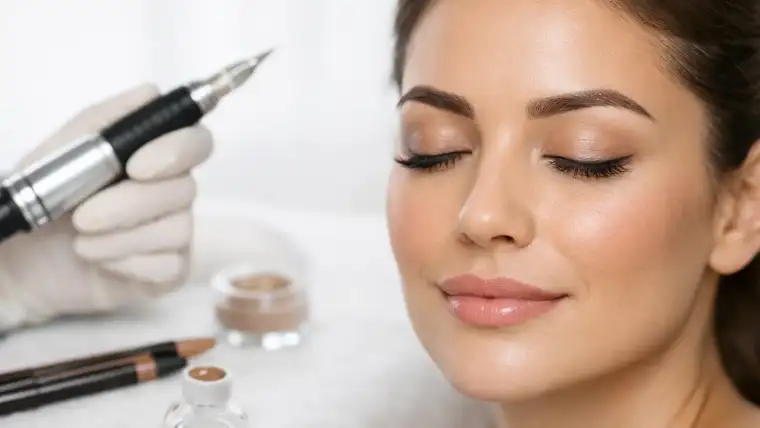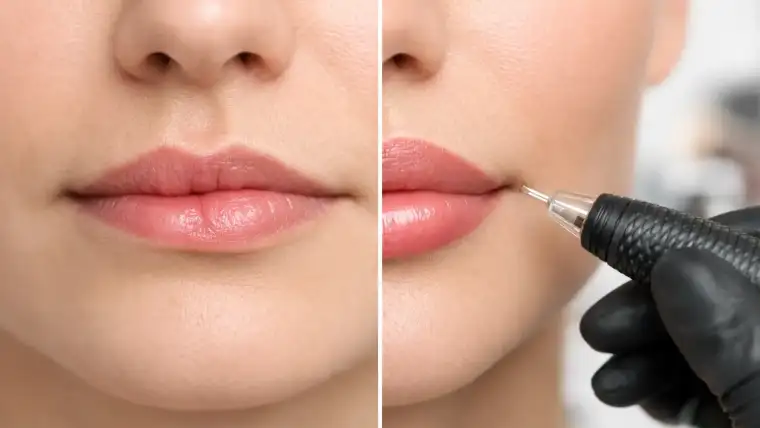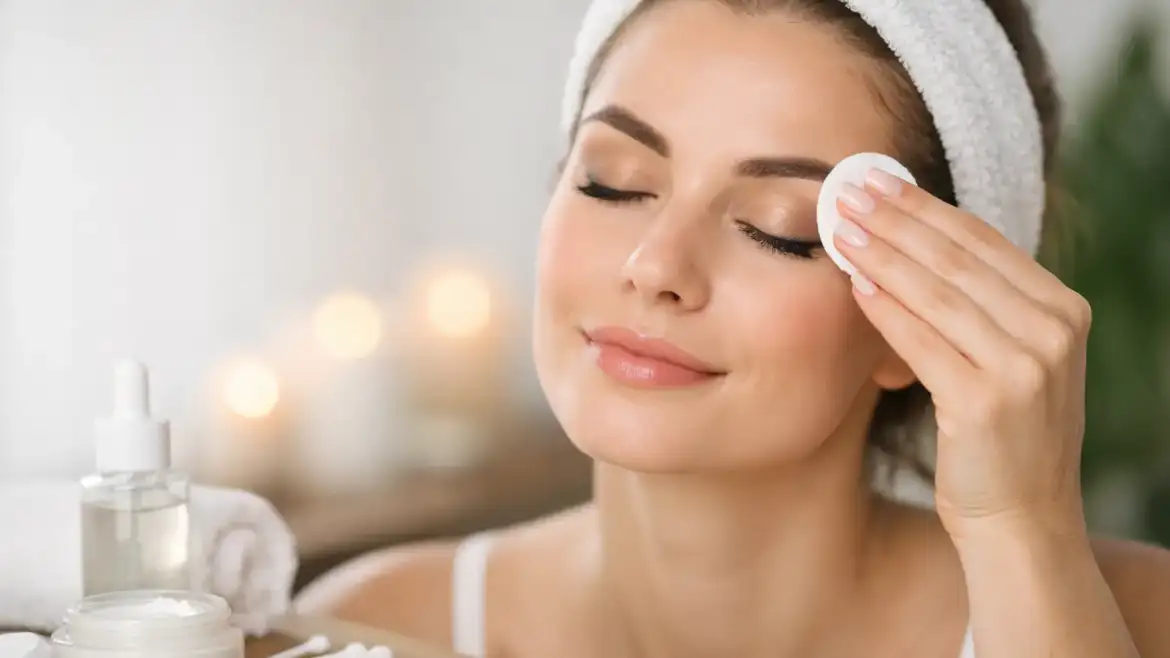
Your cosmetic tattoo will look its boldest before it looks its most beautiful. Fresh brows may appear darker and more defined than planned, lips can look brighter, and eyeliner may seem sharper than the final healed effect. This is a normal part of permanent make up aftercare, not a sign that your result will stay that way.
The artistry completed in your appointment is only one part of achieving a soft, refined healed result. How you protect the area while it settles matters just as much. At ELKA Clinic, aftercare is tailored to your treatment, skin and lifestyle, because brows, lips and eyeliner do not all heal in exactly the same way.
Why permanent make up aftercare matters
Cosmetic tattooing places pigment precisely within the skin to create natural-looking definition. In the days that follow, the skin needs time to settle, form its natural protective layer and renew. During this period, excess moisture, friction, heat, sun exposure and premature picking can interrupt the healing process.
Good aftercare is not about doing more. It is about being gentle, consistent and patient. The goal is to keep the treated area clean and protected while allowing the skin to follow its normal healing rhythm.
Your artist’s written instructions should always take priority. They reflect the technique used, the treatment area and your individual skin considerations. If anything is unclear, ask before trying a product or changing your routine.
The first 24 hours: keep it calm and clean
The first day sets the tone for the days ahead. Avoid touching the area unless you have clean hands and have been instructed to do so. Your artist may provide specific guidance on blotting, cleansing or using an aftercare product. Follow those directions precisely rather than relying on general advice from social media.
It is also wise to keep water, steam and perspiration away from the treated area where possible. Skip strenuous exercise, hot showers directed at the face, saunas and swimming. These can introduce unnecessary moisture and heat at a time when the skin is trying to settle.
Plan for a quiet evening if you can. Fresh cosmetic tattooing is a small commitment to a polished, long-term result, and giving yourself a little space to heal makes the process feel much easier.
What to expect as your cosmetic tattoo heals
Healing is rarely perfectly linear. The colour can look stronger at first, then soften as the skin begins to flake or shed naturally. Once that surface layer has renewed, the tattoo may look lighter or slightly uneven before the colour gradually returns and settles.
For eyebrow tattooing, this can mean a period where the brows look deeper in colour, followed by fine flaking. Resist the temptation to rub, scratch or remove flakes, even if the brows feel dry or a little itchy. Letting skin shed on its own helps preserve the detail and evenness of the work beneath.
With lip blush or lip neutralisation, temporary brightness and mild dryness are common in the early stage. As the lips settle, the healed tone becomes softer and more integrated with your natural colouring. Keeping your lips free from products not approved in your aftercare plan is particularly important.
Eyeliner tattooing requires extra care around the eye area. Avoid rubbing the eyes and follow your artist’s instructions regarding cleansing, sleeping position and products. Do not assume that brow or lip aftercare applies to eyeliner simply because all three treatments are cosmetic tattoos.
Healing can vary with skin type, age, previous tattooing, sun exposure, lifestyle and the intensity of the chosen enhancement. Mature skin, for example, may benefit from a particularly considered aftercare approach. The final result should be assessed only once the area has had adequate time to heal.
The non-negotiables during healing
A few simple boundaries make a meaningful difference. Until your artist advises otherwise, protect the treated area from direct sun, avoid tanning, and keep it away from pools, ocean water, spas and steam rooms. Avoid applying make-up, active skincare or unapproved products over the cosmetic tattoo.
For the first stage of healing, also avoid:
- Picking, peeling, scratching or exfoliating the treated skin
- Intense workouts that create heavy sweating
- Long, hot showers and direct water pressure on the area
- Retinol, acids, scrubs and other active skincare close to the tattoo
- Friction from towels, clothing, bedding or frequent touching
These measures are temporary, but they support the clarity and longevity of your result. Your artist will let you know when it is appropriate to return to your usual skincare and exercise routine.
Aftercare for brows, lips and eyeliner is different
Brows are exposed to everyday skincare, fringe, hats and accidental touching, so mindful cleansing and avoiding active products around the brow area is essential. If you use a favourite serum or moisturiser, keep it well clear of healing brows until you have been advised that it is safe to resume.
Lips encounter food, drinks and frequent movement throughout the day. Take care when eating and drinking, particularly in the initial healing period, and follow the product guidance given at your appointment. A straw may be useful for some drinks if recommended by your artist, but it is not a substitute for the specific plan you have been given.
Eyeliner benefits from a minimal approach. Avoid eye make-up, lash-line products and rubbing. If you wear contact lenses, your artist will explain when they can be comfortably and safely reintroduced. Small choices such as keeping hands away from the eye area can make healing more comfortable.
Do not judge the colour too early
One of the most reassuring things to know is that fresh colour is not healed colour. Brows can appear 30 to 40 per cent darker in the early days, while lips often begin brighter before softening considerably. These changes are expected, which is why thoughtful treatment planning focuses on the healed result rather than the first-day appearance.
It can be tempting to compare your healing to another person’s photos. Try not to. Their skin, treatment history, chosen style and day of healing may be entirely different to yours. A soft ombré brow, nano brow or lip blush tattoo should be judged in the context of the design created for your face and goals.
Take clear photos in natural light if you would like to monitor progress, but avoid inspecting the area repeatedly under harsh bathroom lighting. Healing skin can look different from one day to the next, and patience is often the most valuable part of aftercare.
When to contact your artist
Your artist is your first point of contact for treatment-specific questions. Reach out if you are unsure whether a product is appropriate, concerned that you may have disrupted the area, or unclear about what stage of healing you are experiencing. A quick question is always preferable to guessing.
If you experience an unexpected or concerning reaction, seek prompt advice from an appropriate health professional as well as notifying your artist. Cosmetic tattoo aftercare should feel supported, never isolating. Clear communication protects both your comfort and your result.
Preparing for your perfecting appointment
Many cosmetic tattoo treatments include a later perfecting appointment, provided according to your individual treatment plan. This is not necessarily because anything has gone wrong. Skin retains pigment differently, and the initial session reveals how your skin has healed with the chosen shape, colour and technique.
The perfecting session allows small refinements where appropriate, whether that means restoring areas that healed lighter, balancing colour or enhancing definition. Arrive with realistic expectations and let healed skin guide the next step. Chasing excessive darkness or density too soon can compromise the soft, elegant effect you originally wanted.
The best permanent make up aftercare is quiet, careful and tailored to you. Follow your personalised instructions, protect the area from the habits that can interfere with healing, and give your skin the time it needs. Beautiful cosmetic tattooing is designed to become part of your face, not the first thing people notice – and that refined result is worth a little patience.