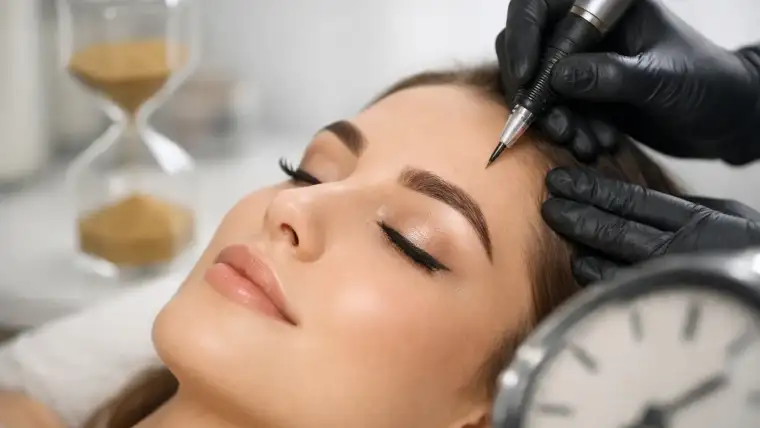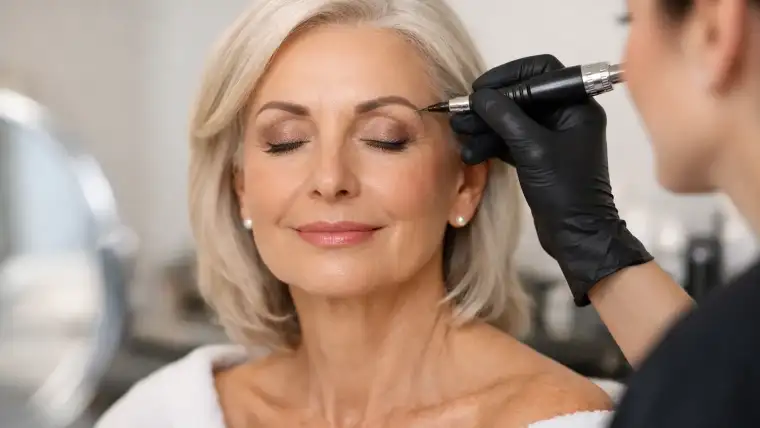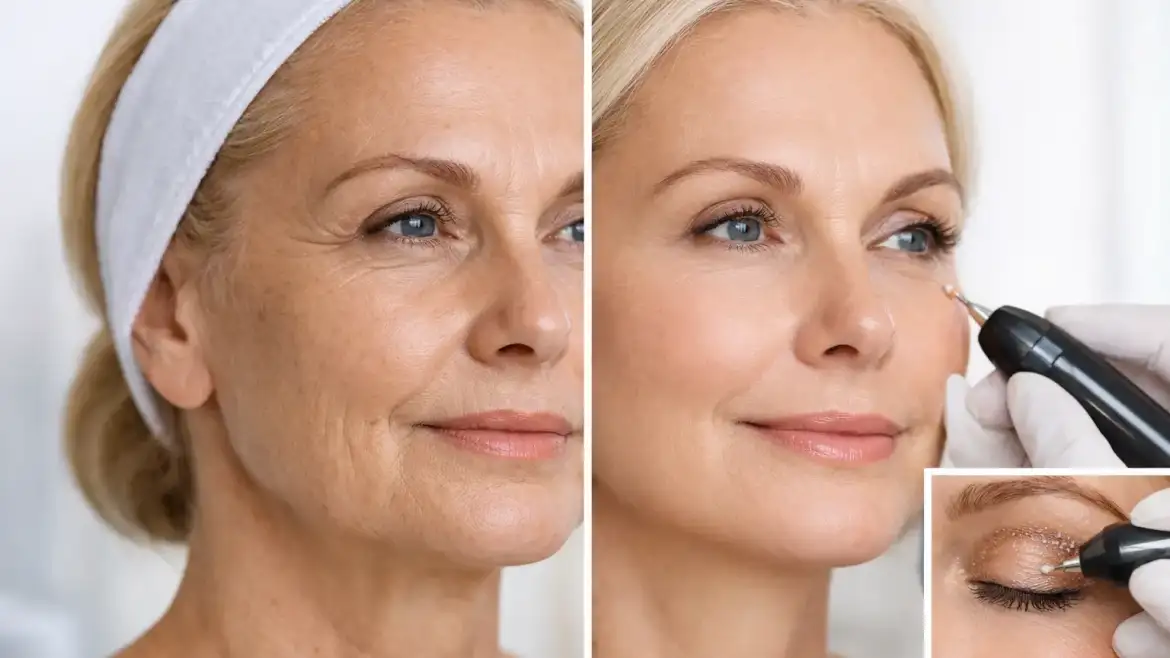
A plasma pen before and after photo can be compelling in a way few treatment images are. One image shows loose, crepey or lined skin. The next shows skin that appears firmer, smoother and more refined. What those photos do not always show, however, is the healing period in between, the importance of suitable treatment planning, and the fact that results look different at day three, week three and month three.
For anyone considering plasma pen treatment, that middle part matters just as much as the final result. Good outcomes come from careful assessment, realistic expectations, precise technique and proper aftercare. When those elements are in place, plasma pen can be an excellent non-surgical option for clients wanting targeted skin tightening and visible rejuvenation without looking overdone.
What plasma pen before and after photos really show
Plasma pen is commonly used to improve the appearance of fine lines, skin laxity and certain textural concerns. Popular treatment areas include around the eyes, the upper eyelids, lower eyelids, crow’s feet, forehead lines, smoker’s lines and selected areas of the neck or lower face. In some cases, it may also be used for cosmetic skin lesion concerns or pigmentation-related appearance concerns, depending on the presentation and suitability of the skin.
When you look at plasma pen before and after images, you are usually seeing two things. The first is an immediate tightening effect created by the treatment response itself. The second, and often more important, is the gradual improvement that develops as collagen remodelling takes place over the weeks that follow.
This is why timing matters. A before and after taken too early may show reduced puffiness or a fresher appearance, but it may not yet reflect the true healed result. A proper healed comparison is generally more useful because it shows how the skin has settled once swelling has resolved and the tissue has had time to regenerate.
The healing stage between before and after
One of the biggest misconceptions around plasma pen is that the after image appears almost immediately. In reality, there is a healing phase that clients need to be prepared for.
Straight after treatment, the skin will usually show small carbon crusts or dot-like marks where the device has been applied. Swelling, redness and a warm sensation are also common, particularly in delicate areas such as the eyelids. This early stage can look quite dramatic, even when the treatment has been performed correctly.
Over the following days, the tiny crusts begin to dry and shed naturally. It is essential not to pick them. The skin may feel tight, dry and temporarily darker in some spots before it starts to settle. For some clients, social downtime is manageable. For others, particularly when treating around the eyes, it can be more noticeable for several days.
By the second to fourth week, the skin often looks calmer, but this still may not be the final result. Collagen remodelling continues in the background. The best before and after comparisons are usually taken after the skin has fully healed, not while it is still in transition.
What affects plasma pen results
Not every plasma pen before and after result looks the same, and that is where honest treatment planning becomes important. Skin quality, age, area treated, lifestyle and healing response all influence the final outcome.
Mature skin can respond beautifully to plasma pen, particularly when the goal is subtle tightening rather than a dramatic change. At the same time, thinner skin may need a more conservative approach. Clients with stronger skin integrity may tolerate treatment differently from those with more sensitivity, inflammation or compromised barrier function.
Sun exposure also matters. If the skin is frequently exposed to UV before or after treatment, healing may be affected and the risk of unwanted pigmentation changes can increase. Smoking, certain medical conditions, medications, poor aftercare and active skin irritation can all influence how well the skin responds.
This is why experienced providers do not promise identical outcomes for every client. A refined result depends on suitability, technique and whether the treatment is being used for the right concern in the first place.
Before and after expectations by treatment area
The eye area is one of the most requested zones for plasma pen because it often shows early signs of ageing. In upper eyelid treatments, clients are usually hoping for a more lifted, less hooded appearance. In lower eyelid treatments, the focus is often crepey skin and fine lines. Before and after improvements here can be very pleasing, but the eye area also tends to swell more than other zones.
Around the mouth, plasma pen may soften the look of fine vertical lines and improve general skin texture. Results can be elegant and natural when treatment is carefully placed, although the area can feel quite tight during healing.
On the neck or jawline, results tend to depend heavily on the degree of laxity. Mild to moderate skin looseness may respond more predictably than advanced laxity. In these cases, the best outcome is often improvement rather than perfection.
That distinction matters. A quality treatment should leave you looking fresher and more refined, not unlike yourself.
Why consultation matters more than the photos
Before and after images are helpful, but they should never replace a proper consultation. A photo cannot assess your skin type, your healing tendencies, your medical history or whether plasma pen is actually the best option for your goal.
A thorough consultation should look at the treatment area, the condition of the skin, your lifestyle, sun habits, any history of pigmentation, and whether your expectations align with what the treatment can realistically achieve. In some cases, another service may be more suitable, or a staged treatment plan may produce a better long-term result.
This is especially important for first-time clients who may be drawn to online images without understanding the healing process or the variability between individuals. A trustworthy clinic will explain not only the possible benefits, but also the limitations, downtime and aftercare commitments involved.
How to read before and after photos carefully
Not all treatment images are equally useful. Lighting, facial expression, makeup, camera angle and timing can all make a result appear stronger or weaker than it really is.
When assessing plasma pen before and after photos, look for consistency. The most reliable images show the same angle, similar lighting and a genuinely healed result. It is also worth noticing whether the outcome looks natural. Skin that appears smoother and firmer while still looking like real skin is usually a better sign than an image that seems overly filtered or aggressively edited.
You should also consider whether the person in the photo has concerns similar to yours. A result on younger skin with mild laxity may not reflect what is realistic for mature skin with deeper folds or more advanced textural change.
The role of aftercare in the final result
Aftercare is not a small detail with plasma pen. It plays a meaningful role in how the skin heals and how well the final result develops.
Clients need to follow all post-treatment instructions closely, particularly around keeping the area clean, dry where advised, protected from friction, and shielded from sun exposure. Picking crusts, applying unsuitable products too early, using active skincare prematurely or returning to heat and exercise too soon can interfere with healing.
This is one reason premium clinics place so much emphasis on preparation and support. The treatment itself may take a short appointment time, but the result depends on what happens after you leave as well.
Is plasma pen worth it?
For the right client, plasma pen can be a very worthwhile treatment. It can offer visible improvement in skin tightness and fine lines without surgery, and for many people that balance feels appealing. It suits clients who want a fresher appearance but prefer subtle refinement over dramatic change.
That said, it is not the right treatment for everyone. Some concerns require a different approach, and some clients are not ideal candidates due to skin tone considerations, healing risks or lifestyle factors. The best results come when the treatment is selected carefully, performed with precision and supported by realistic expectations.
At ELKA Clinic, that kind of considered approach is central to every treatment plan. The goal is not to chase exaggerated before and after contrasts, but to create results that look elegant, believable and in harmony with your features.
A good plasma pen result should not feel like a transformation designed for social media. It should feel like your skin looks more rested, more refined and more confident in its own shape – and that is often the most valuable after of all.