You can like the idea of fuller brows and still feel unsure about which technique actually suits your face, skin and lifestyle. That is usually where the nano brows vs powder brows question begins – not with trends, but with wanting brows that look polished, natural and right for you once they heal.
Both treatments are forms of cosmetic tattoo, but they create definition in very different ways. One is designed to imitate fine hair strokes. The other creates a soft shaded effect, similar to brow makeup. Neither is universally better. The right choice depends on your natural brow pattern, skin type, age, preferred finish and how much definition you want to see every day.
Nano brows vs powder brows: the core difference
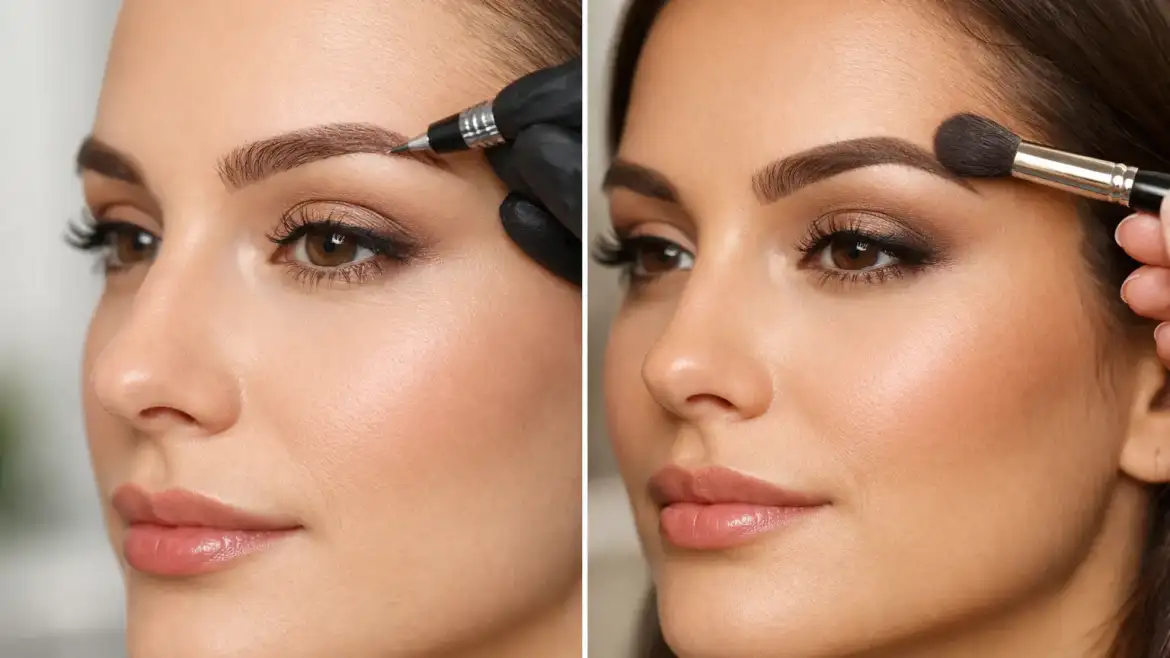
Nano brows use a machine and an ultra-fine needle configuration to create crisp, hair-like strokes within the brow. The aim is to mimic the appearance of real brow hairs, especially in sparse areas or where shape needs to be rebuilt. When performed well, the result can look very soft and realistic.
Powder brows are also created with a machine, but instead of individual hair strokes, pigment is implanted in a misted or shaded pattern. This gives the brow a more filled-in look, often compared to the effect of softly applied pencil or powder. Depending on design, powder brows can be very subtle or more defined.
The main distinction is visual. Nano brows create texture through strokes. Powder brows create depth through shading. That difference sounds simple, but it matters a great deal when deciding what will heal best on your skin.
Who tends to suit nano brows
Nano brows are often chosen by clients who want the most natural, hair-like finish possible. They can be especially appealing if you have gaps in the brow, an uneven tail, overplucked areas or naturally light brow growth and you still want the result to look like believable hair rather than makeup.
This technique can work beautifully on normal to dry skin, particularly when the skin is in good condition and not excessively oily, reactive or textured. It is also popular with clients who wear minimal makeup and want a very understated enhancement.
That said, nano brows are not just about looking subtle. They also require the right canvas. On oily skin, enlarged pores or skin with significant texture, strokes can heal softer and less crisp than intended. Mature skin can sometimes suit nano beautifully, but only when the skin integrity allows for clean healed detail. This is where experienced assessment becomes essential.
Who tends to suit powder brows
Powder brows are often the more versatile option across a wider range of skin types. Because the technique relies on soft shading rather than fine stroke detail, it generally heals more predictably on oily skin, combination skin and skin with visible pores.
They are also an excellent choice for clients who already fill in their brows most mornings and want that softly polished look without daily effort. If you like your brows to appear more structured, lifted or visibly defined, powder may feel more satisfying than a stroke-based technique.
For mature clients, powder brows can be particularly flattering when designed with a soft edge and careful colour selection. Rather than trying to force sharp hair strokes into delicate skin, a beautifully diffused powder brow can restore shape and balance in a way that looks elegant, not harsh.
Finish matters more than trend
One of the most common mistakes people make is choosing based on the name of the technique rather than the finish they actually want. Nano sounds natural, so many assume it is automatically the best option. Powder sounds stronger, so some avoid it before seeing how soft it can really be.
In practice, a well-designed powder brow can heal incredibly natural, especially when the front is kept airy and the body of the brow is built with a light hand. Equally, nano brows can look more obvious than expected if too many strokes are placed or if the shape is too dense for the face.
The better question is not which technique is more popular. It is which finish will complement your features and still look beautiful after healing.
Skin type and healing response
When comparing nano brows vs powder brows, skin type is one of the biggest deciding factors. Cosmetic tattoo does not heal the same way on everyone, and this is exactly why a personalised treatment plan matters.
Dry to normal skin often holds crisp detail more easily, which can make nano strokes a good option. Oily skin can blur fine strokes over time, making powder brows the more reliable choice for cleaner healed definition. If your skin is sensitive, reactive, sun-damaged or frequently exposed to active skincare, that also needs to be considered.
Healing response matters just as much as skin type. Some clients retain pigment evenly and predictably. Others need a softer design approach, more conservative initial work or a technique that allows better long-term stability. Good brow work is not about forcing one style onto every face. It is about choosing the method your skin is most likely to heal well.
Longevity and maintenance
Both nano and powder brows are semi-permanent and will gradually fade over time. Neither should be treated like a once-and-never-again appointment. Freshening appointments are part of maintaining colour, shape and overall refinement.
Powder brows often age a little more evenly because the pigment is distributed as shading throughout the brow. Nano strokes can be stunning, but because they rely on delicate line work, the softened appearance over time may be more noticeable on certain skin types.
This does not mean powder is always longer lasting in every case, but it often means the healed result remains visually balanced for longer on clients with oilier or more textured skin. Lifestyle also matters. Sun exposure, skincare acids, exfoliation, sweating and general skin turnover all influence fading.
Comfort, treatment time and aftercare
Both treatments involve similar preparation, mapping, colour selection and aftercare. A proper appointment should include detailed consultation, brow design suited to your bone structure and facial balance, and realistic discussion about healed expectations.
Most clients find both techniques manageable from a comfort perspective, particularly when performed by an experienced artist using quality methods and a thoughtful approach. Treatment time can vary depending on whether the brow is being created from scratch, refined from previous work or tailored to correct asymmetry.
Aftercare is important either way. Brows will go through a healing phase where colour can appear stronger at first, then soften as the skin settles. This stage can be slightly different between clients and techniques, so patience is part of the process. The goal should never be what the brows look like on day one alone. Healed results are what matter.
When combination brows make more sense
Sometimes the answer is neither one on its own. Some clients suit a combination brow, where nano-style strokes are used in selected areas and soft shading is added for density and longevity. This can work well for those who want realistic texture at the front of the brow but need more structure through the arch or tail.
Combination work can also help bridge the gap between very sparse natural brows and a polished final shape. It is not the default for everyone, but it can offer the best of both worlds when designed carefully.
What to ask at your consultation
A good consultation should help you feel clearer, not more confused. Rather than asking only which treatment is cheaper or quicker, ask which technique suits your skin, what healed result you can realistically expect, how soft or defined the final look will be, and whether your age, lifestyle or previous tattoo history changes the recommendation.
It is also worth asking to see healed work, not just fresh treatment photos. Fresh brows often appear sharper and stronger than the final healed outcome. Consistent healed results are a far better sign of technical skill, pigment choice and honest treatment planning.
At a premium clinic, the recommendation should be based on suitability, not sales pressure. In many cases, the most trustworthy answer is a nuanced one. You may prefer nano, but powder may heal better. You may arrive wanting powder, but a softer stroke-based effect may suit your face more naturally. That honest guidance is part of the service.
If you are comparing nano brows vs powder brows, try to focus less on the label and more on the result you want to wake up with. The most beautiful brows are not the ones that follow a trend. They are the ones that suit your features, heal gracefully and still feel like you.