A lip blush tattoo review should begin with the part most people want to know: when it is designed well, lip blush should not look like obvious lipstick. It can restore a softly defined border, improve the appearance of symmetry and add a healthy wash of colour that makes the face look more polished – even on bare-skin days.
For the right person, it is a quietly transformative treatment. For the wrong expectations, it can feel disappointing. The difference comes down to thoughtful colour selection, experienced technique, realistic healing expectations and an artist who prioritises the healed result rather than a dramatic result on the day.
What lip blush tattooing is designed to achieve
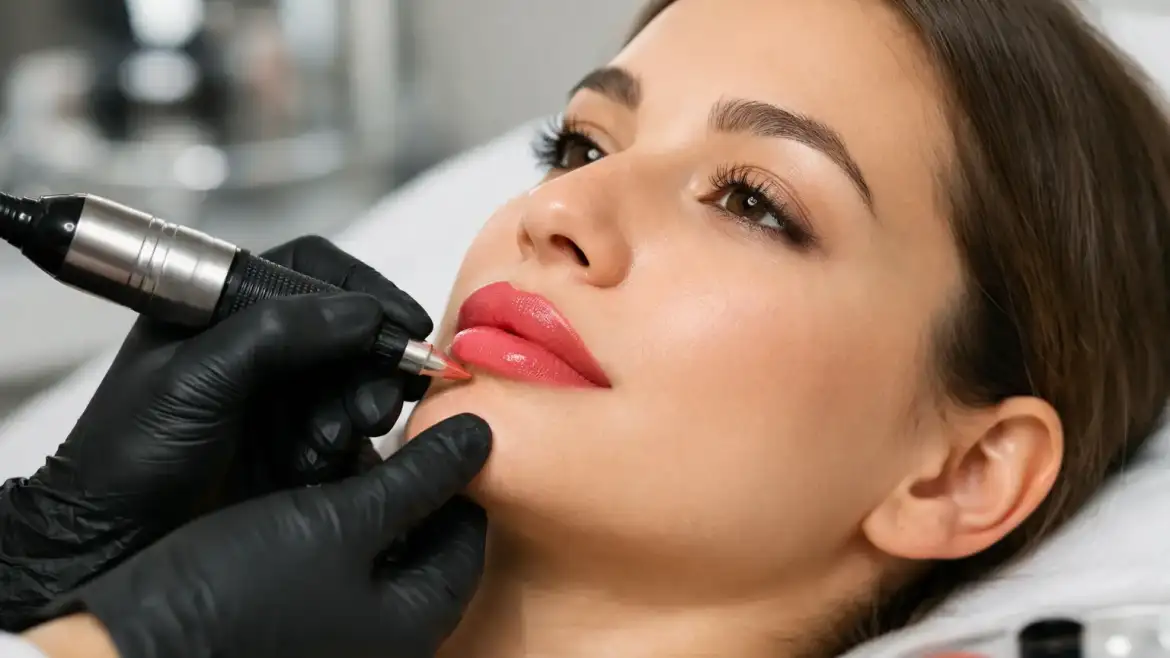
Lip blush is a semi-permanent cosmetic tattoo treatment that places pigment gently into the lips. Rather than creating a hard outline or an opaque lipstick effect, the aim is usually a soft enhancement of your natural lip tone. It can make lips appear more even in colour, subtly fuller through improved definition and less faded around the edges.
It is particularly appealing if your lips have lost colour over time, if the vermilion border has become less distinct, or if you find yourself applying tinted balm before every meeting, school drop-off or dinner out. The best work respects your natural lip shape. It should look balanced and elegant, not overdrawn.
Lip blush can also be suitable for clients with naturally uneven tone. In some cases, tailored colour correction or lip neutralisation may be recommended before a final blush colour is introduced. This is especially relevant for deeper or cooler-toned lips, where simply selecting a pink or nude pigment may not heal as expected.
Lip blush tattoo review: the honest verdict
The most honest verdict is that lip blush is worth considering when your goal is subtle, low-maintenance definition. It is less suitable if you want to wake up wearing a bold, opaque lipstick shade every day. Cosmetic tattoo pigment heals within the skin, so it naturally appears softer and more translucent than conventional make-up.
Clients often love the convenience. Their lips look more alive without a full make-up routine, and a little clear gloss or balm can be enough to feel put together. The treatment can be especially rewarding for mature clients whose lip borders have softened, provided the colour and shape are approached with restraint.
The trade-off is patience. Freshly treated lips can look brighter, deeper and more defined than the final result. They may also swell temporarily. During healing, pigment can appear to fade significantly before settling back in the skin. Judging lip blush too early is one of the main reasons people feel unsure about their result.
A refined treatment plan accounts for this. The initial appointment establishes the foundation, while a perfecting session is typically needed after healing to assess pigment retention, adjust areas that have healed lighter and fine-tune the colour. Skin type, lifestyle, natural lip tone, aftercare and individual healing response all influence the final outcome.
What the appointment feels like
A premium lip blush appointment should feel unhurried and considered. Before pigment is placed, the artist should discuss your preferences, assess your natural lip shape and tone, and select a colour direction that works with your complexion and everyday style. A flattering result is rarely about choosing the trendiest shade. It is about choosing a shade you will still enjoy on a quiet Sunday morning and in a professional setting.
Topical numbing is used to keep the treatment comfortable. Sensation varies from person to person, but most clients describe it as manageable rather than painful. The lips can feel tender afterwards, and swelling is common, although the degree differs between clients.
A good artist will not promise an identical result for every client. Naturally cool, dark, pale or uneven lips may require a different approach, and pre-existing lip asymmetry can only be improved within the boundaries of the natural tissue. Honest consultation is part of quality care.
The healing period: where expectations matter most
The first week requires simple but careful aftercare. Your lips will initially look more vivid than intended, then may feel dry or flaky as they heal. It is important not to pick at any flaking skin. Allowing the lips to heal naturally helps protect pigment retention and supports an even result.
You will normally be given personalised aftercare instructions, but planning ahead helps. Avoid activities and products that can interfere with fresh healing, follow guidance around eating and drinking, and keep the area clean as instructed. Sun exposure can also affect the appearance of cosmetic tattoo colour over time, so ongoing lip SPF is a sensible habit once healing is complete.
If you have a history of cold sores, this must be discussed before treatment. Lip tattooing can trigger an outbreak in susceptible clients, and your practitioner may advise you to speak with your GP or pharmacist about appropriate preventative treatment. Pregnancy, breastfeeding, active skin concerns around the mouth and certain health conditions or medications may affect suitability too. This is why a proper consultation is never a formality.
How long does lip blush last?
Longevity is not exact, and that is a strength of a responsible lip blush tattoo review. Semi-permanent cosmetic tattooing is designed to soften gradually, not remain unchanged forever. Many clients enjoy their result for years, but the shade will fade at different rates depending on metabolism, sun exposure, skincare habits, smoking, natural lip chemistry and pigment choice.
Lighter, more natural shades can appear to fade sooner than stronger colours. Regular gloss or lipstick wear does not remove the tattoo, but exfoliating products, sun exposure and individual skin turnover can influence how fresh it looks. A colour refresh appointment can restore softness and definition when you feel the result has become too subtle.
Choosing a natural tone is often the wisest long-term decision. It gives you flexibility to wear brighter lipstick when you want it, while still looking polished when you do not.
Who tends to love the result?
The happiest lip blush clients are usually looking for enhancement rather than transformation. They may have pale lips, uneven tone, mild asymmetry or a border that has become less defined with age. They value the time saved each morning, but they still want to look like themselves.
It can also suit clients who feel their face looks washed out without lip colour, as well as those who want a more balanced appearance without relying on lip liner. However, it may not be the best choice for someone who frequently changes their lipstick style or expects a saturated, make-up-like finish. In that case, beautiful conventional lipstick may offer more freedom.
At ELKA Clinic in Perth, treatment planning is centred on soft, healed colour and natural facial harmony. The goal is not to create a treatment that announces itself. It is to create lips that look rested, balanced and naturally yours.
Choosing your artist matters more than choosing a shade
A lower price can be tempting, but cosmetic tattooing is not a service where shortcuts are invisible. Pigment selection, hygiene standards, lip mapping, depth control and knowledge of colour healing all affect what you see months later. Before-and-after images are useful, but healed results are more revealing than fresh photographs taken immediately after treatment.
Look for an artist whose work consistently reflects your own preferences. If you want understated lips, choose someone whose portfolio shows understatement. Ask about the treatment process, expected healing, the perfecting session and whether your natural lip tone needs neutralisation first. Clear answers are a reassuring sign.
The best result is not necessarily the one that receives the most comments. It is the one that lets you leave the house with less effort, feel more confident in your natural features and still recognise yourself in the mirror.