Skin tags often seem minor until they start catching on jewellery, rubbing against clothing, or becoming the one thing you notice every time you look in the mirror. If you are considering a plasma pen for skin tags, the main question is not simply whether the treatment can remove them. It is whether the lesion is suitable, whether the treatment is being performed safely, and whether the expected result matches your skin, healing pattern, and cosmetic goals.
What a plasma pen for skin tags actually does
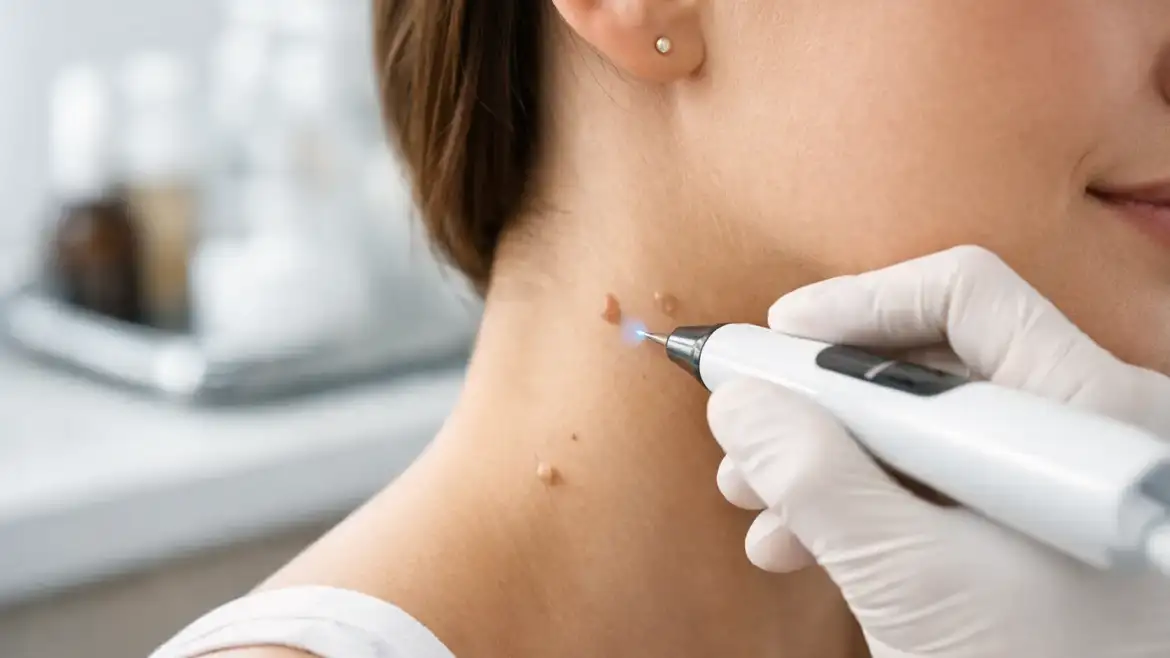
A plasma pen is a device used to create a controlled plasma arc above the skin surface. In the context of cosmetic skin concerns, that energy creates a very precise superficial thermal effect designed to treat selected areas without cutting into the skin in the same way a blade would.
For skin tags, the aim is to target the unwanted raised tissue so it gradually dries, contracts, and separates as the area heals. The treatment can be appealing because it is non-surgical, highly targeted, and often suited to small cosmetic lesions in visible areas where clients want a careful aesthetic approach.
That said, not every bump on the skin is a skin tag. This is one of the most important points in any honest conversation about treatment. A lesion may look harmless but still need proper assessment before any cosmetic procedure is considered.
Why professional assessment matters first
When clients ask about removing a skin tag, the first step should always be identifying what it is. True skin tags are usually soft, flesh-coloured, and attached by a small stalk. They commonly appear on the neck, underarms, eyelids, under the breasts, and other areas where friction is common.
However, raised spots can also be moles, seborrhoeic keratoses, warts, or other benign or suspicious lesions. A cosmetic practitioner should never guess. If there is any uncertainty around shape, border, colour, texture, bleeding, or recent change, medical review is the safest path before treatment proceeds.
This matters for two reasons. The first is health and safety. The second is cosmetic outcome. Treating the wrong lesion with the wrong method can lead to poor healing, pigment changes, scarring, or delayed diagnosis of something that needed medical attention.
Who may be suitable for plasma pen treatment
A plasma pen for skin tags may suit clients who have small, clearly identified benign skin tags and want a precise, non-surgical option. It can be especially appealing for areas where the lesion is noticeable or easily irritated.
Suitability depends on more than the tag itself. Skin tone, skin sensitivity, medical history, healing response, tendency to scar, and the area being treated all matter. Clients with a history of keloid or hypertrophic scarring need extra caution. Those with active skin irritation, infection, impaired healing, or certain medical conditions may need to postpone treatment or choose an alternative.
Darker skin tones can also require careful discussion. Any heat-based treatment carries a risk of post-inflammatory hyperpigmentation or, less commonly, hypopigmentation. That does not automatically rule treatment out, but it does mean the practitioner should assess conservatively and set realistic expectations.
Areas that often respond well
Smaller skin tags on the neck, chest, underarms, or body folds are commonly the types clients ask about. Some facial areas may also be treated, but delicate zones such as around the eyes require advanced skill, strict safety protocols, and appropriate case selection.
Cases that may need a different approach
Larger lesions, uncertain lesions, irritated lesions, or growths with unusual colouring or changes in appearance may be better managed medically rather than cosmetically. In some cases, another removal method may be more appropriate depending on the lesion size, skin type, and desired result.
What to expect during treatment
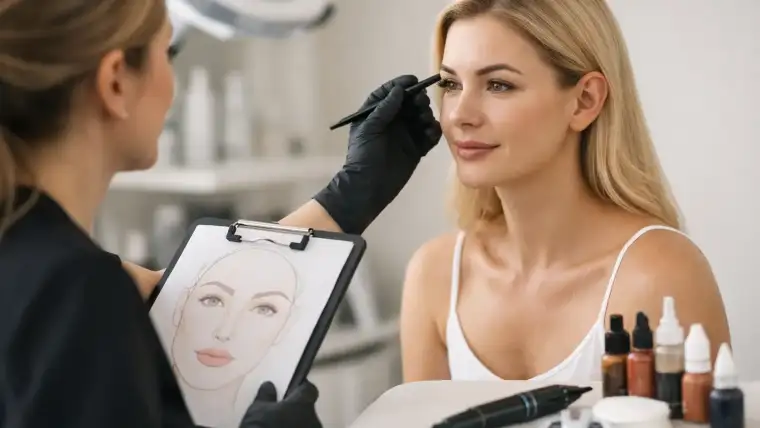
A proper consultation comes first. This is where the practitioner assesses the lesion, reviews your medical history, explains suitability, and discusses likely healing and aftercare. For premium clinics, this planning stage is not a formality. It is where safety and long-term cosmetic results are protected.
On the day, the area is cleansed and prepared. Depending on the treatment plan and area involved, a topical numbing product may be used to improve comfort. The plasma device is then applied with precision to the skin tag itself. Treatment time is usually quite short for a small lesion, although total appointment time varies depending on preparation and the number of tags being treated.
Most clients describe the sensation as manageable, with warmth and brief stinging rather than significant pain. Immediately after treatment, the area may look darkened, dry, or crusted. Mild swelling and redness can occur, especially in more sensitive areas.
Healing after a plasma pen for skin tags
Healing is usually straightforward when the treatment is suitable and aftercare is followed carefully. A small crust or carbonised surface forms where the tissue was treated. This should be left alone to detach naturally. Picking, rubbing, or trying to remove it early can increase the risk of scarring and pigment change.
In the first few days, the area may feel dry or slightly tender. Over the following days, the treated tissue generally lifts away as the skin repairs. The exact timeline varies with lesion size, location, your immune response, and whether the area is exposed to friction.
Sun protection is important, particularly on visible areas such as the chest, neck, or face. Freshly healing skin is more prone to pigmentation issues if exposed to UV. This is one reason skin lesion removal aftercare deserves as much attention as the procedure itself.
Aftercare usually includes
Keeping the area clean and dry, avoiding friction, not picking at any crusting, and following your practitioner’s product guidance are the basics. Depending on the area, you may also need to pause certain active skincare products or activities that create excessive sweating and rubbing.
Benefits and trade-offs to understand
The appeal of a plasma pen is easy to understand. It is precise, non-surgical, and can be a very effective cosmetic option for selected skin tags. For clients who want a refined treatment approach and minimal disruption, it often fits well.
But good treatment decisions come from understanding the trade-offs, not just the advantages. Healing is not always invisible. Even when a skin tag is removed successfully, the skin may remain pink for a period or heal with slight textural change. In some cases, more than one session may be needed, particularly for thicker lesions.
There is also the question of recurrence. A treated skin tag may be removed, but that does not stop your skin from developing new tags elsewhere over time, especially if friction, genetics, hormones, or metabolic factors play a role.
Risks clients should know about
Any responsible article on plasma pen treatment should be clear about risk. Even with skilled hands and good aftercare, possible side effects include redness, swelling, temporary discomfort, prolonged pinkness, hyperpigmentation, hypopigmentation, infection, and scarring.
These risks are not the same for every client. They are influenced by skin type, treatment area, lesion type, device settings, practitioner experience, and aftercare behaviour. This is why professional assessment is so important. Cosmetic treatments should never be treated as one-size-fits-all.
If a provider promises every skin tag can be removed quickly with no risk and no downtime, that is a sign to slow down and ask more questions.
Choosing a clinic with confidence
For something as small as a skin tag, it can be tempting to focus only on convenience or price. In reality, this is where standards matter. You want a practitioner who understands lesion screening boundaries, works with careful technique, follows strict hygiene protocols, and gives honest guidance if a spot should be medically reviewed instead of cosmetically treated.
A quality clinic will talk you through suitability, not rush you into treatment. They will explain what result is likely, what healing may look like, and when treatment is not appropriate. That level of transparency is often what separates a premium treatment experience from a regrettable one.
In Perth, many clients seek this kind of treatment because they want subtle, clean cosmetic improvement without over-treatment. That is where experience, restraint, and a personalised plan make the difference.
Is a plasma pen for skin tags worth it?
For the right client, yes. A plasma pen for skin tags can be an effective cosmetic option when the lesion is clearly suitable, the practitioner is experienced, and the healing process is respected. It is especially valuable for clients who care about precision and natural-looking skin outcomes rather than quick fixes.
The best place to start is not with the device. It is with an expert assessment of the lesion, your skin, and your expectations. When treatment is chosen carefully, small concerns can be addressed in a way that feels considered, safe, and quietly confidence-boosting.
If a skin tag has been bothering you for a while, that discomfort is reason enough to ask questions and get professional advice. Sometimes the most worthwhile aesthetic treatments are the ones that simply let you stop noticing what never felt like you.