Textured skin rarely looks the same in every light. It can seem mild in the bathroom mirror, then suddenly more obvious in daylight, under makeup, or in photos. If roughness, acne scarring, enlarged pores or uneven skin are affecting your confidence, microneedling for textured skin is often one of the most effective non-surgical treatments to consider.
What makes it appealing is that it works with your skin rather than masking it. Instead of coating the surface or creating a temporary smoothing effect, microneedling encourages natural collagen production so the skin can gradually become firmer, more refined and more even over time.
How microneedling helps textured skin
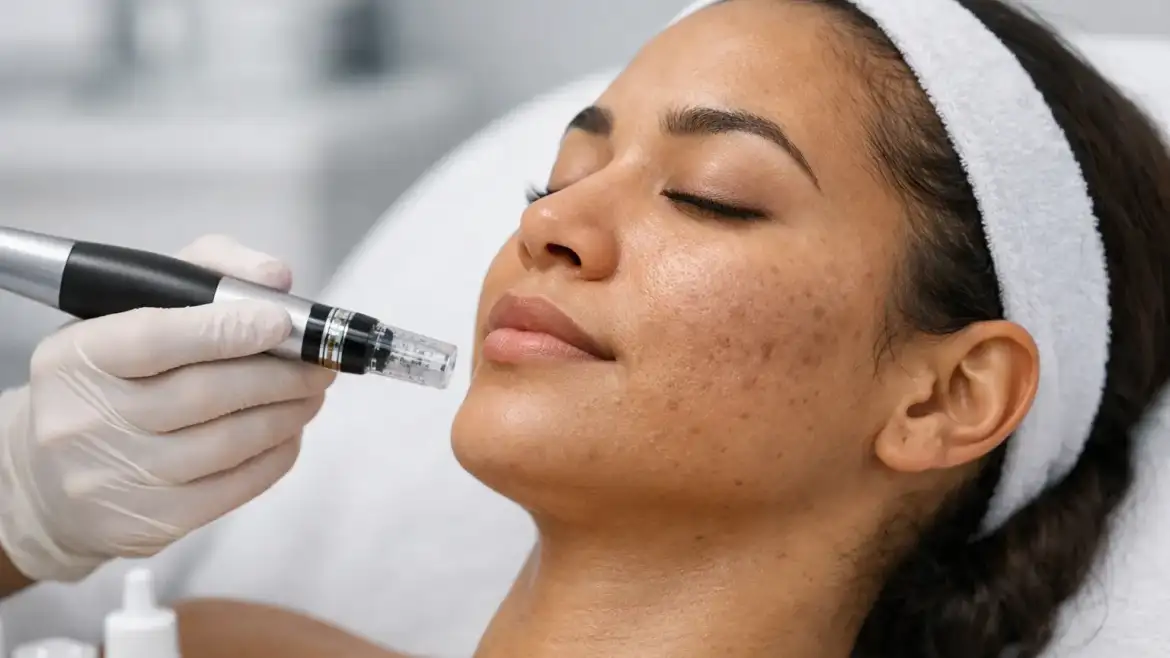
Microneedling uses a device with very fine needles to create controlled micro-injuries in the skin. That may sound intense, but the purpose is precise and measured. These tiny channels stimulate the skin’s healing response, encouraging collagen and elastin production.
For textured skin, that matters because unevenness often sits below the surface. Acne scars, rough patches, visible pores and mild creasing can all be linked to changes in collagen structure. By prompting the skin to rebuild in a more organised way, microneedling can help soften irregular texture and improve overall smoothness.
The results are usually not instant, and that is actually part of the benefit. Good skin rejuvenation should look natural. Skin typically improves progressively as collagen develops, which means the finish tends to be subtle, elegant and believable rather than abrupt or overdone.
What kind of texture can microneedling improve?
Microneedling for textured skin can be helpful for several concerns, but results depend on the cause and severity of the texture. It is commonly used for post-acne textural changes, mild to moderate acne scarring, enlarged pores, general roughness, and early signs of skin ageing where the skin feels less smooth or refined than it once did.
It can also suit clients who feel their skin looks dull, uneven or tired even when they are caring for it properly at home. In many cases, the issue is not a lack of skincare effort. It is that topical products have limits, especially when texture is linked to scarring or deeper structural changes.
That said, not every type of texture responds in the same way. Deep tethered scars, active acne, inflamed skin, some pigmentation concerns and certain medical skin conditions may require a different approach, combination treatment, or a delay until the skin is more stable. This is where a proper consultation becomes important. An experienced clinician should assess not just the texture itself, but your skin type, sensitivity, healing response and goals.
Why treatment plans should never be one-size-fits-all
Two people can both describe their skin as textured and need completely different treatment plans. One may have shallow acne marks and enlarged pores. Another may have mature skin with thinning collagen, fine lines and roughness around the cheeks or mouth. The treatment depth, number of sessions and healing advice should reflect those differences.
Premium skin treatment is not about doing the most aggressive procedure possible. It is about choosing the most suitable one. In a well-designed plan, microneedling is adjusted to the individual so the treatment is effective while still respecting the skin’s condition and recovery capacity.
This personalised approach is especially important for clients who want natural-looking improvement. Stronger is not always better. Thoughtful treatment spacing, realistic expectations and careful aftercare often produce better healed results than chasing fast change.
What happens during a microneedling appointment?
A professional microneedling treatment usually begins with a thorough skin assessment and cleanse. Your clinician will review your concerns, your medical history, your skincare routine and whether your skin is currently suitable for treatment. If you are a good candidate, the skin is prepared and a topical numbing cream may be applied to keep you comfortable.
During the procedure, the microneedling device is moved across the treatment area in a controlled pattern. The sensation is often described as scratchy or prickly rather than painful, though some areas can feel more sensitive than others. Treatment time varies depending on the area being treated, but the appointment is generally straightforward.
Afterwards, the skin often looks pink to red, similar to a mild to moderate sunburn. There may also be warmth, tightness and slight swelling for a short period. These effects are expected and usually settle over the following days.
Healing and downtime
One reason microneedling remains so popular is that downtime is usually manageable. Most clients can return to normal activities fairly quickly, although the skin may remain flushed for 24 to 72 hours depending on treatment intensity and individual sensitivity.
In the first few days, the skin can feel dry, taut or slightly rough as it moves through the early healing stages. It is important not to pick, scrub or overload the skin with active products during this time. Gentle aftercare supports better healing and helps reduce the chance of irritation.
Your clinician should provide clear aftercare instructions based on your skin and the treatment performed. This guidance matters. Good results come not only from the procedure itself, but from how the skin is managed afterwards.
How many sessions are usually needed?
This is one of the most common questions, and the honest answer is that it depends. A client with mild texture and generally healthy skin may notice improvement after a few sessions. Someone treating more established acne scarring or age-related textural change may need a longer course.
Microneedling works best as a series rather than a once-off event, because collagen remodelling takes time. Treatments are usually spaced out to allow proper healing between sessions. Rushing the process does not necessarily improve the result.
It is also worth remembering that improvement does not always mean perfect skin. The goal is often smoother, fresher and more even-looking skin, not an airbrushed finish. When expectations are realistic, clients are usually much happier with the outcome.
Microneedling for textured skin and acne scars
Acne scarring is one of the most common reasons clients consider microneedling for textured skin. It can be particularly effective for shallow rolling scars and general post-acne unevenness because these concerns often relate to collagen loss or disruption.
However, scar type matters. Some scars respond beautifully. Others improve only modestly and may need combination treatments for a more noticeable change. If acne is still active, controlling breakouts first is often the wiser step. Treating unstable, inflamed skin too early can compromise results and increase irritation.
For clients who have spent years trying to smooth acne texture with skincare alone, microneedling can be a reassuring next step. It offers a more structural approach without changing the natural character of the face.
Is microneedling suitable for everyone?
Not always. A careful clinic will tell you when a treatment is appropriate and when it is not. Microneedling may need to be postponed or avoided if you have active infections, certain inflammatory skin conditions, impaired healing, recent sun exposure, or if your skin barrier is currently compromised.
It can also be unsuitable for some clients taking particular medications or those with skin concerns better treated by another method. This is not a drawback of microneedling. It is simply part of responsible treatment planning.
At ELKA Clinic, this kind of honest guidance is central to creating safe, refined results that support long-term skin health rather than short-term promises.
What results feel realistic?
The best microneedling results tend to look like your skin on a very good day – smoother, fresher, more even and healthier. Pores may appear less obvious. Rough areas can soften. Makeup may sit better. The skin often develops a more polished quality without looking treated.
For some clients, the change is significant enough to restore confidence in going makeup-light. For others, it becomes part of a broader skin maintenance plan that keeps texture from becoming more noticeable over time. Both outcomes are valuable.
If you are considering treatment, choose a clinic that prioritises assessment, technique, hygiene and healed results over hype. Textured skin can improve beautifully, but the right plan should be tailored to you, not copied from someone else’s skin journey.
A well-treated complexion does not need to look flawless to feel transformative. Sometimes the most meaningful result is simply looking in the mirror and seeing skin that feels smoother, calmer and more like yourself again.