In this post you will read ....
Microneedling is a skin-penetration treatment that may improve the appearance of some scars, fine lines and texture concerns. This guide explains its limits, risks, preparation, recovery and pricing.
Fine needles create controlled punctures in the skin to stimulate its repair response and collagen production. Any improvement develops gradually and varies between people. Microneedling does not completely remove scars or wrinkles.
This is general information, not a substitute for an assessment of your skin, health and treatment goals. Your practitioner should explain suitability, realistic expectations and aftercare before treatment.
What is skin microneedling?
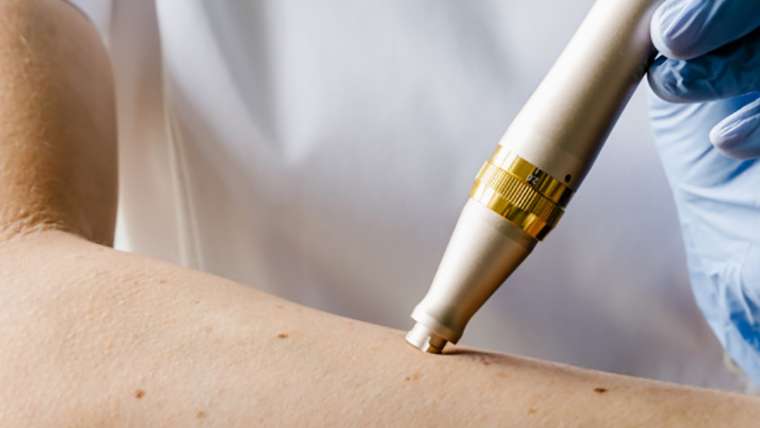
Microneedling is the minimally-invasive cosmetic procedure involving small needles that create even smaller puncture wounds in the top layer of the skin. The whole process is to stimulate the skin to produce collagen; One of the reasons this treatment is also called “collagen induction therapy”. Higher amounts of collagen under the skin can reduce the appearance of acne scars, wrinkles, and stretch marks.

What skin problems does microneedling help?
Suitability depends on your skin, medical history, medicines and healing response. Do not treat over active acne, infection, open wounds or irritated skin. Some conditions require medical advice or postponing treatment.
Microneedling may offer modest improvement in some acne scars, fine lines and uneven texture. It does not suit every scar type or skin concern, and results are not guaranteed.
Some body areas, including areas with stretch marks, may be considered after assessment. Suitability, treatment settings and recovery differ by area. Improvement in stretch marks is partial and variable, rather than complete removal.
For the treatment offered at ELKA CLINIC in Subiaco, including suitability and appointment options, see our microneedling service page.

How does skin microneedling work?
The controlled punctures trigger a local wound-healing response in the skin. Collagen remodelling takes time, so changes should be assessed after recovery rather than from the immediate redness or swelling.
Microneedling does not prevent ageing, replace lost facial volume or guarantee smooth, scar-free skin. Different treatments have different benefits and risks. Your practitioner should explain whether needling is appropriate for your concern.
What are microneedling benefits?
Depending on suitability, possible benefits may include:
- Modest improvement in the appearance of some acne scars
- Softening the appearance of some fine lines
- Improvement in uneven skin texture
- Partial improvement in the appearance of some stretch marks
Does microneedling have side effects and risks?
Microneedling is not risk-free. Redness, warmth, tenderness, dryness and temporary swelling can occur, and recovery may take several days. Less common complications include infection, scarring and unwanted pigmentation changes. Risks depend on your skin, treatment depth, hygiene and aftercare.
The Therapeutic Goods Administration’s microneedling guidance explains the importance of suitable devices, hygiene and individual assessment. Seek prompt medical advice for worsening pain, spreading redness, discharge, fever or other concerning symptoms, and let the clinic know.
How much does skin microneedling cost?
Price depends on the treatment area and appointment selected. Check ELKA CLINIC’s current booking menu for current microneedling pricing and appointment duration.
How much does microneedling cost in Australia?
Published price ranges can become outdated and may not describe comparable treatments. Before booking, check what the appointment includes and whether further sessions may be recommended. The number of sessions is individual, and a set result cannot be promised.
What is microneedling aftercare?
Immediately after treatment, skin may look red and feel warm, tight or sensitive. This is not the final result. Recovery varies, and redness can last several days rather than only a few hours.
Follow ELKA CLINIC’s current microneedling aftercare instructions for the initial dry period, cleansing, makeup, skincare and activity restrictions. Use only products specifically recommended for your treatment. Do not apply food or homemade masks to freshly treated skin.
The skin barrier needs time to recover. General reminders include:
- Follow the clinic’s guidance before washing or applying products.
- Keep skincare gentle and avoid introducing unapproved products.
- Avoid makeup for at least 24 hours and until the skin is settled, as explained in the aftercare guide.
- Avoid picking, scrubbing and exfoliating recovering skin.
- Follow the aftercare guide on sun protection, exercise, swimming, heat and when to restart active skincare.

Common Questions about microneedling
These answers cover common questions. Ask your practitioner for advice specific to your treatment and skin.
What should I expect after microneedling?
Expect a recovery period before assessing any benefit. Redness, warmth and sensitivity are common initially. Improvement, if it occurs, develops gradually over the following weeks and months; immediate swelling should not be mistaken for a lasting result.
What is microneedling vs microdermabrasion?
Microdermabrasion exfoliates the skin and removes dead skin cells. On the other hand, microneedling causes small punctures to stimulate the skin to produce more collagen.
Does microneedling hurt?
Comfort varies between individuals. Numbing cream makes a significant difference, and most clients describe the sensation as manageable rather than painless.
Who shouldn’t do microneedling?
Treatment may need to be postponed or declined. Tell your practitioner about:
- Active acne, infection, open wounds or irritated skin in the treatment area
- Eczema, psoriasis or other skin conditions
- A history of keloid scarring or difficult healing
- Pregnancy, current cancer treatment or other medical conditions
- Medicines or treatments that affect bleeding, immunity or healing
How should I prepare for microneedling?
Discuss your health, medicines, skincare and recent treatments before the appointment. Preparation should be personalised rather than based on a universal online checklist.
- Tell your practitioner about all prescribed and non-prescribed medicines, including blood thinners and anti-inflammatory medicines, and any supplements.
- Do not stop or change prescribed medication without your prescriber’s advice. This includes prescribed topical treatments.
- Discuss retinoids, exfoliating acids and other active skincare with the clinic. Confirm any changes before making them.
- Tell the clinic about recent laser, IPL, peels, waxing or other treatments so appropriate timing can be assessed.
- Avoid sunburn and unnecessary skin irritation. Let the clinic know if your skin is inflamed, broken or unwell before attending.
How soon can I see microneedling results?
Some people notice changes after one session, while others need a course of treatment before assessing any benefit. Results develop gradually and vary with the concern and healing response. Neither a particular improvement nor a fixed number of sessions can be guaranteed.
Does the micro needling effect fade over time?
Microneedling may improve the appearance of some scars or texture concerns, but it does not completely remove scars, stretch marks or signs of ageing. The degree and duration of improvement vary.
Skin continues to change with age, sun exposure and other factors. Review any maintenance treatment with your practitioner rather than assuming that results will be permanent or that repeated treatment is always needed.
Do I need extra sessions for microneedling?
Further sessions should be based on your response, goals and a practitioner’s assessment after healing. Do not repeat treatment while the skin is still recovering. The appropriate interval depends on the area and treatment plan.
How long is a microneedling procedure?
Appointment duration varies with the treatment area and what is included. Check the current booking menu for the duration of the appointment you select.
What is a dermapen?
A microneedling pen uses a moving cartridge of fine needles; a dermaroller uses a rolling head. They are different devices. Professional treatment requires an appropriate device and hygiene controls, including sterile, single-use needle cartridges where applicable.
Does microneedling also work for hair loss?
Hair loss has many causes. Seek advice from a qualified health professional about the cause and suitable treatment options. This skin-treatment guide does not establish that scalp microneedling is suitable for you or that it will prevent further hair loss. Read more about alopecia.
Conclusion
Microneedling may improve some skin concerns, but it has limitations and risks. An assessment, realistic expectations and appropriate aftercare are important. Results vary, and treatment is not suitable for everyone.
You can book treatment directly or choose an optional consultation to discuss your skin and questions first. See microneedling at ELKA CLINIC in Subiaco and check current prices and booking options.