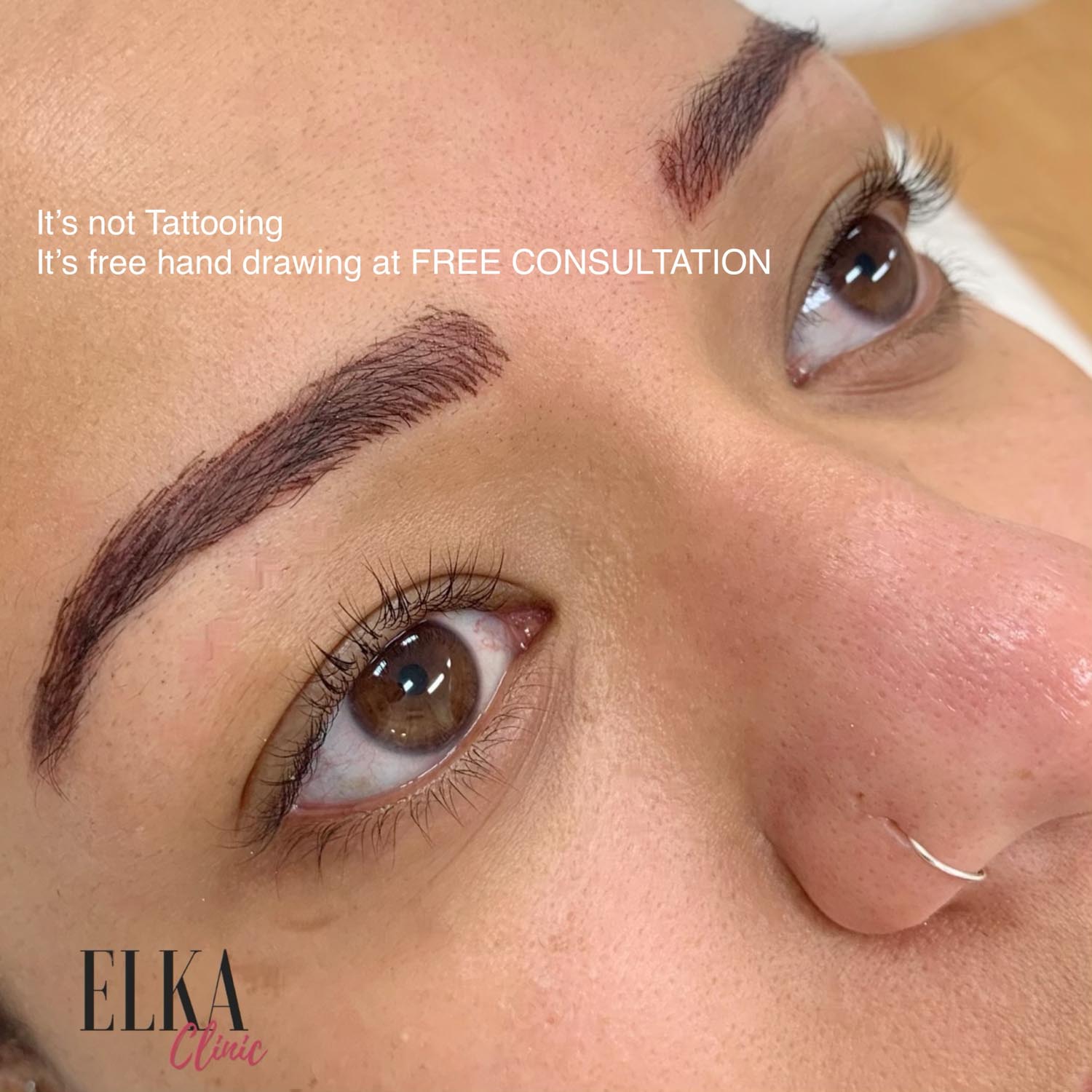
A good brow treatment rarely starts with pigment. It starts with observation. Before any cosmetic tattoo technique is chosen, a custom brow mapping consultation helps define the shape, balance and style that will suit your features in real life, not just in a trend reference photo.
For many clients, this is the point where nerves settle. You can see the proposed shape before treatment begins, ask questions, and understand why certain design choices will flatter your face more naturally than others. That clarity matters, especially if you want brows that feel polished and soft rather than overly sharp or drawn on.
What is a custom brow mapping consultation?
A custom brow mapping consultation is a personalised planning session used to design your ideal brow shape before cosmetic tattooing or brow enhancement begins. It combines facial assessment, measurement, symmetry checks and artistic refinement so the final design works with your bone structure, muscle movement, natural brow pattern and aesthetic preferences.
This is not a one-shape-fits-all process. A brow that suits one person beautifully can look too heavy, too flat or too angled on someone else. The consultation allows the artist to create structure while still respecting the individuality of your face.
In a premium clinical setting, brow mapping is also about suitability. Skin type, existing hair growth, previous tattoo work, age-related changes in the brow area, and how softly or boldly you wear makeup all influence the recommended approach. The goal is not simply to create brows that look good on the day. It is to create brows that heal attractively and continue to look balanced over time.
Why brow mapping matters more than people expect
Brows influence expression more than most people realise. A slightly misplaced arch or tail can make the eyes appear smaller, the face look more severe, or the overall result feel less natural than intended. Even subtle changes in thickness, lift and length can affect facial harmony.
That is why a custom brow mapping consultation should never feel rushed. Precision at the design stage helps avoid common issues such as overly thick fronts, tails that drop too low, arches that sit too high, or shapes that do not align with your natural muscle movement.
There is also a practical side to this. Cosmetic tattooing is a semi-permanent treatment, so careful planning is part of responsible treatment design. A considered consultation helps reduce the risk of regret, especially for first-time clients or anyone correcting previous work.
What happens during the consultation
The appointment usually begins with a conversation rather than a pencil. Your artist will ask about your brow history, daily routine, preferred finish, and whether you are hoping for something very subtle or more defined. Reference images can be useful, but they are treated as inspiration rather than a blueprint.
Next comes an assessment of your natural brow area. This may include existing brow hair, asymmetry, brow height, forehead proportions, eye spacing, eyelid shape and facial structure. Mature clients often benefit from a softer, more lifting design, while younger clients may prefer a little more fullness. Neither is better. It depends on the face, the skin and the result you want to live with every day.
Measurements are then used to map key points of the brow, including where the brow should ideally begin, where the arch is most flattering, and where the tail should finish. From there, the shape is refined by eye. This is where experience matters. Brow mapping is not only mathematical. It is also artistic.
Once the outline is drawn, you will usually have the opportunity to view and discuss the shape before proceeding. Adjustments can be made for thickness, softness, arch height and overall character. A strong consultation feels collaborative, but guided. Clients should feel heard, while also benefiting from professional expertise.
Custom does not mean perfectly symmetrical
One of the most reassuring things to understand is that natural beauty is not exact. Most faces have some degree of asymmetry, and brows often sit differently because of muscle movement, bone structure or previous hair loss. A skilled artist will aim for balance, not harsh uniformity.
This is an important distinction. Trying to force identical brows onto an asymmetrical face can create a stiff or artificial result. A custom brow mapping consultation accounts for these differences and makes decisions that look natural when your face is resting, talking and smiling.
That is also why healed results matter more than a heavily edited pre-draw. Brows should suit your features in daylight, at work, at dinner and without makeup. Soft sophistication is usually more timeless than chasing a dramatic shape that only works from one angle.
How skin type affects brow design
Not every brow style suits every skin type. Oily skin, enlarged pores, sun-damaged skin, mature skin and scar tissue can all affect how pigment heals and how crisp certain techniques remain over time. During consultation, these factors help guide both shape and technique.
For example, an ultra-fine hairstroke look may not be the best long-term choice for some skin types if softness and healed clarity are the priority. In those cases, a powdery or combination effect may provide a more flattering and stable result. The shape itself may also need to be adjusted so that it heals with elegance rather than looking too dense.
This is where honest advice matters. Sometimes the brow design a client initially imagines is not the one that will wear best over time. A reputable clinic explains that clearly and recommends a treatment plan based on longevity, skin response and natural appearance.
A custom brow mapping consultation for first-time clients
If you have never had cosmetic tattooing before, consultation is often the moment everything starts to make sense. It turns a vague idea into a clear plan. You can understand the difference between nano brows, ombré brows, combination brows or microblading, and why one option may be better suited to your skin and lifestyle than another.
It also gives you space to ask practical questions. How soft will the result look? Will your brows still feel like you? How much maintenance is involved? What happens during healing? These are sensible questions, and a quality consultation should welcome them.
Many first-time clients worry that cosmetic tattooing will look too obvious. In reality, the most refined work is often the least obvious. When the shape is mapped well and the treatment is chosen carefully, the result should restore definition and structure without making the brows appear overdone.
Consultation is even more important for corrective work
Clients with previous brow tattooing need a particularly careful assessment. Old pigment, faded shape, colour changes and scar tissue can all affect what is achievable. In these cases, a custom brow mapping consultation is not just about designing a new shape. It is about assessing what can be improved safely and realistically.
Sometimes correction is straightforward. Sometimes removal, lightening or a staged approach may be needed before new work is done. The right answer depends on the existing tattoo, the skin and the end goal. A trustworthy artist will be transparent about limitations rather than promising a perfect fix on the spot.
This measured approach protects the final result. It may require more patience, but it usually leads to a far better outcome than trying to cover unsuitable old work with a heavier new design.
Men’s brows and subtle brow mapping
A custom consultation is just as valuable for men seeking brow enhancement. The design approach is different, because the goal is usually structure, density and improved balance without creating an overly sculpted finish.
That means brow mapping needs restraint. The shape should support a masculine, natural appearance and work with the existing brow pattern rather than look sharply stylised. Small design decisions make a significant difference here, particularly in the front of the brow and through the arch.
Subtle does not mean ineffective. Often, the best men’s brow work is the kind that simply makes the face look fresher, stronger and more balanced without drawing attention to the treatment itself.
Choosing a clinic for brow consultation
Not every consultation process is equally thorough. If you are comparing clinics, look for signs that the artist prioritises healed results, facial harmony and treatment suitability rather than selling the same brow style to everyone.
Experience matters, especially when dealing with mature skin, asymmetry, previous tattoo work or clients who want a very natural finish. In Perth, many clients choose established clinics such as ELKA Clinic because they want this level of personalised design, honest guidance and refined cosmetic tattoo artistry.
A premium consultation should leave you feeling informed, not pressured. You should understand what is being recommended, why it suits you, and what realistic results to expect after healing.
What to do before your appointment
Come with clean skin, realistic expectations and a sense of how you want to feel rather than only how you want the brows to look. Words like soft, lifted, balanced, fuller or natural are often more useful than heavily filtered photos.
It also helps to mention any relevant skin treatments, medical conditions, previous tattooing or sensitivities. Good planning depends on complete information. The more clearly your artist understands your history and goals, the more tailored the design can be.
The best brow results begin long before pigment touches the skin. They begin with a thoughtful conversation, a trained eye and a shape designed specifically for you. When a consultation is done properly, it does more than map brows. It gives you confidence in every step that follows.