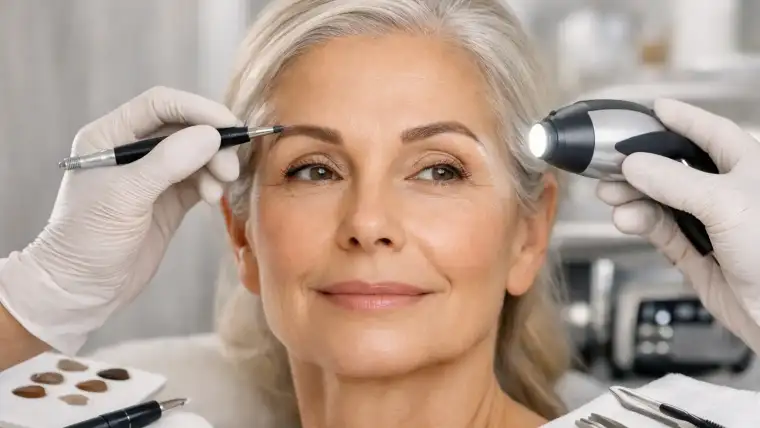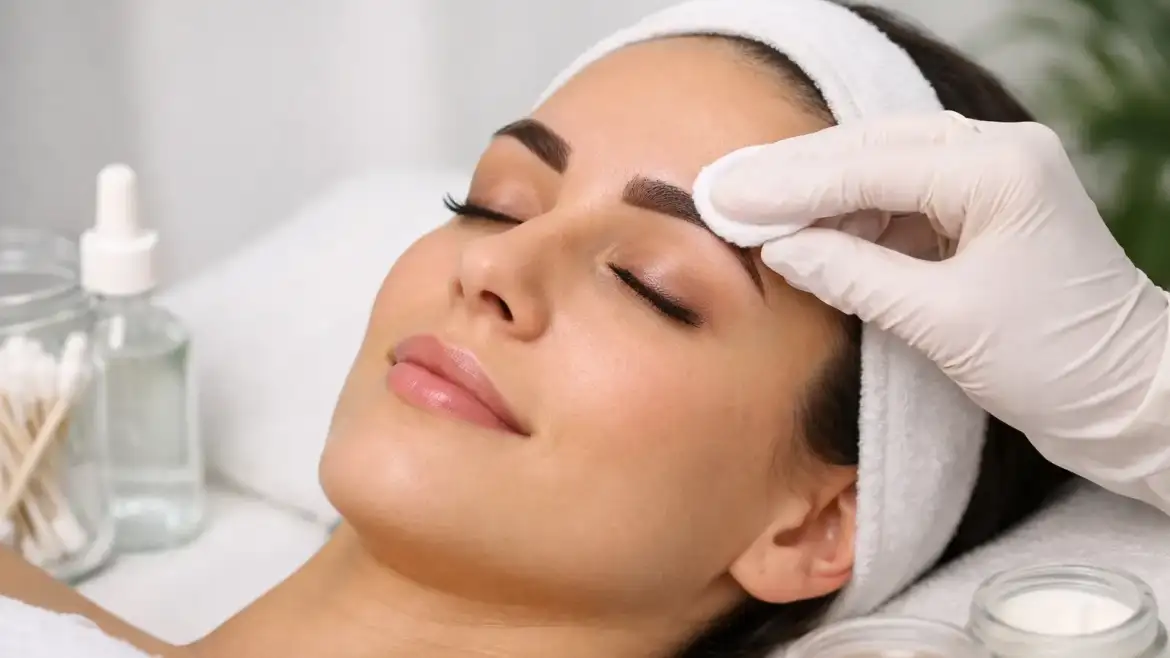
Freshly tattooed brows can look darker, sharper and slightly more defined than you expected on day one. That part often surprises first-time clients. A good guide to eyebrow tattoo aftercare helps you understand what is normal, what needs extra attention, and how to support the soft, natural healed result you actually want.
Aftercare is not a minor detail. It plays a direct role in pigment retention, skin recovery and how evenly your brows heal. Even beautifully designed brows can heal unpredictably if the skin is overworked by sweat, friction, sun exposure or picking. The goal is simple – protect the area, keep the skin calm and allow it to heal without interference.
Why eyebrow tattoo aftercare matters so much
Eyebrow tattooing creates controlled trauma in the skin so pigment can be implanted with precision. Whether you have nano brows, ombré brows, combination brows or microblading, your skin still needs time to repair. During that healing window, your brows are vulnerable to irritation, infection, patchy healing and premature fading.
This is also why aftercare is never one-size-fits-all. Oily skin, mature skin, sensitive skin and clients with stronger natural exfoliation can all heal a little differently. Lifestyle matters too. If you exercise daily, work outdoors or wear makeup most days, you may need to be more mindful during the first week or two.
Good aftercare supports the result your artist has created. Poor aftercare can compromise it.
Your guide to eyebrow tattoo aftercare by healing stage
Healing is a process, not a single moment. Most clients move through similar stages, although timing can vary slightly depending on technique, skin type and immune response.
Days 1 to 3
In the first few days, your brows may appear bold, crisp and slightly darker than the final healed colour. Mild redness, tenderness or tightness can be normal, particularly on the first day. Some clients notice a light weeping of clear fluid early on.
At this stage, keep the area clean and follow the aftercare instructions given by your artist exactly. That usually means avoiding unnecessary touching, keeping brows dry unless otherwise instructed, and applying only the recommended aftercare product in the advised amount. More product is not better. Overapplying ointment can oversoften the skin and interfere with healing.
Days 4 to 7
This is when brows often start to feel dry, flaky or slightly itchy. Small scabs or fine flaking can appear. This is a normal part of healing, but it is the stage where clients are most tempted to pick.
Try not to. Picking or scratching can remove pigment before it has settled properly, create patchiness and increase the risk of scarring. Let the flakes come away naturally.
Days 7 to 14
Once flaking starts to settle, the brows can look much lighter than expected. Clients sometimes worry the pigment has disappeared. In most cases, this is temporary. The skin is still healing over the pigment, which can create a cloudy or muted appearance.
This phase can test your patience. Trust the process and avoid judging your final result too early.
Weeks 3 to 6
As the skin continues to recover, the colour usually starts to return more clearly and the brows soften into a more natural finish. This is when the healed result becomes easier to assess. Any areas that healed lighter, softer or slightly uneven can usually be refined at the perfecting appointment if one has been planned.
What to avoid during eyebrow tattoo healing
The first one to two weeks matter most. During this time, avoid anything that adds heat, moisture, bacteria, friction or irritation to the brow area.
Sweating is a common issue. Heavy gym sessions, hot yoga, saunas and steam rooms can affect retention, especially in the first week. If you cannot avoid exercise entirely, keep it light and do your best to prevent sweat from sitting on the brows.
Water exposure also needs care. Long showers, swimming, spas and soaking the face can soften scabs too early. When washing your face or hair, keep the brow area as dry as possible.
Makeup should stay away from healing brows. Brow pencils, powders, gels and surrounding face products can introduce bacteria or create irritation if they migrate into the area.
Sun exposure is another major factor. Freshly tattooed skin is more sensitive, and UV can contribute to fading and colour shift over time. Once the brows are fully healed, daily sun protection matters if you want your cosmetic tattoo to stay looking fresh for longer.
You should also avoid facials, exfoliating products, retinol, acids and active skincare near the area until healing is complete. These products can disrupt the skin barrier and affect colour retention.
How to care for your brows properly
A calm, minimal approach is usually best. Follow the specific instructions from your cosmetic tattoo artist rather than combining advice from social media, friends and general beauty forums. Different techniques and skin types may require slightly different aftercare.
Keep your hands off the area unless you are cleansing or applying the recommended aftercare product. Change your pillowcase regularly and keep hair, skincare and fake tan away from the brows. If you wear a fringe, be mindful of hair products transferring onto healing skin.
If you are someone who naturally touches your face while working, driving or using your mobile, this is the time to be extra aware. Small habits can make a bigger difference than people realise.
It also helps to think long term. Cosmetic tattoo is not just about the first seven days. Once healed, maintaining your brows means protecting them from excessive sun, strong resurfacing skincare and repeated friction. This is especially relevant for clients who use anti-ageing products or have regular skin treatments.
What is normal and what is not
Some variation in healing is entirely normal. Brows can heal darker first, then lighter, then more balanced again. Mild tenderness, dryness, flaking and temporary patchiness are all common.
What is not normal is severe swelling, increasing pain, hot or spreading redness, pus, or signs that the area is becoming infected. If something feels off, contact your artist promptly and seek medical advice when needed. It is always better to ask early than wait and hope.
Clients with sensitive or reactive skin can sometimes experience more redness or prolonged dryness. That does not automatically mean something is wrong, but it does mean close communication is helpful.
Factors that can affect your healed result
Even with excellent aftercare, some brows retain pigment more easily than others. Oily skin may soften hairstrokes faster. Mature skin can heal beautifully, but it may need a gentle, tailored approach both during treatment and aftercare. Clients with sun exposure, frequent swimming, active skincare routines or faster cell turnover may notice fading sooner.
This is why realistic expectations matter. Cosmetic tattoo is best viewed as a refined, low-maintenance enhancement rather than a set-and-forget treatment. Soft, natural results usually require maintenance over time.
A touch-up appointment is often part of that process. The initial session creates the foundation, while the perfecting appointment allows your artist to assess how your skin has healed and make any subtle adjustments. That second visit is not a sign something went wrong. In many cases, it is simply part of achieving a polished healed result.
Aftercare for different brow techniques
The broad principles stay similar, but the healing look can vary depending on the technique used.
Microblading often produces more visible flaking because of the fine incision pattern in the skin. Nano brows may heal with less obvious scabbing for some clients, although they still require careful protection. Ombré or powder brows can appear bolder at first before softening into a mistier finish. Combination brows may heal unevenly in different sections because hairstrokes and shading can respond differently.
That is one reason experienced clinics place so much emphasis on customised aftercare guidance. The best advice is always based on the technique used, your skin condition and how your brows are progressing in real time.
A few mistakes that are easy to make
The most common aftercare mistakes are usually the simplest ones – overcleaning, overapplying ointment, touching the area, getting brows wet in the shower, going back to the gym too soon, or panicking during the light phase and trying to fix things at home.
Another common issue is comparing your healing to someone else’s. Your friend’s brows may peel on day four while yours stay smooth until day six. Someone online may say their colour returned in two weeks, while yours takes longer. Cosmetic tattoo healing is personal. Progress should be assessed against your own skin, not somebody else’s timeline.
At ELKA Clinic, this is one of the most reassuring parts of proper client care – clear guidance, realistic expectations and support through the healing period rather than just on the treatment day.
When to ask questions
If you are unsure whether your brows are healing normally, ask. If you accidentally got them wet, picked a small flake, used the wrong product or had unexpected redness, it is worth checking in. Good aftercare is not about being perfect. It is about responding early and sensibly if something needs attention.
The best healed brows rarely come from overcomplicating the process. They come from thoughtful treatment planning, a suitable technique, and careful aftercare that gives the skin the quiet space it needs to heal well.
Be patient with the stages, gentle with the area, and focused on the result a few weeks from now rather than the brows you see on day three.