If you are weighing up microneedling vs plasma pen, the real question is not which treatment is better overall. It is which treatment suits your skin, your concerns, your lifestyle and the result you want to see once healing has settled. Both can improve the skin, but they work in very different ways and are chosen for different reasons.
This is where many people feel unsure. Two treatments may both promise rejuvenation, collagen support and smoother-looking skin, yet the experience, downtime and ideal treatment area can be quite different. A good decision usually comes down to understanding what each treatment is actually designed to do.
Microneedling vs plasma pen: the core difference
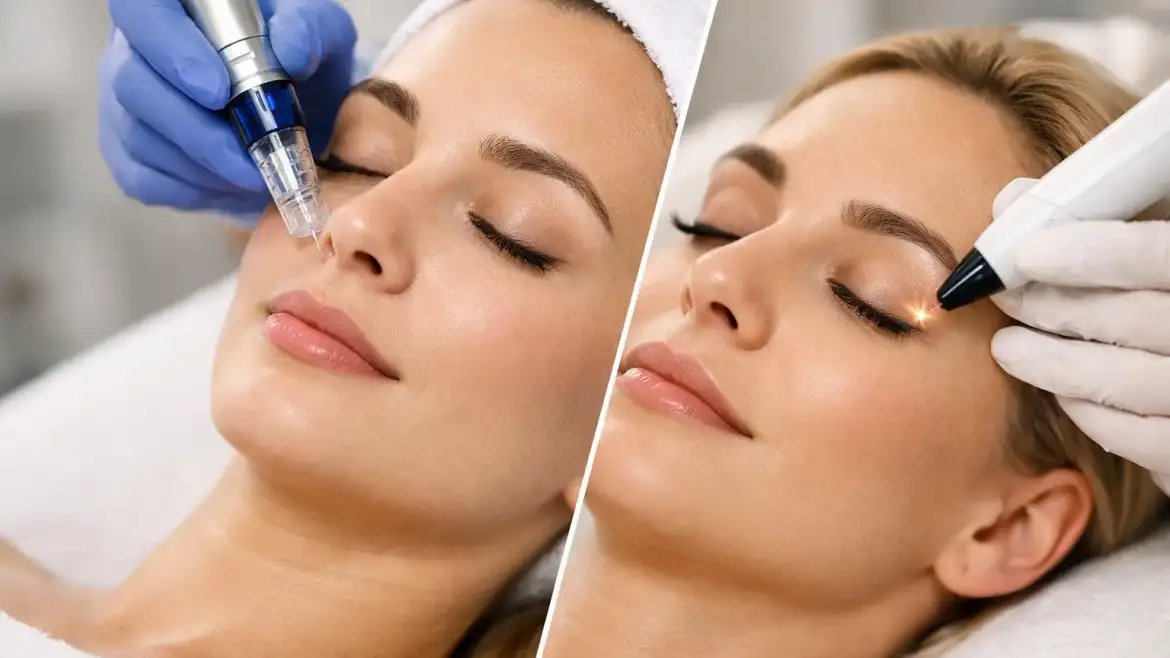
Microneedling creates controlled micro-injuries in the skin using very fine needles. These tiny channels encourage the skin’s natural repair response and stimulate collagen production over time. It is commonly chosen for overall skin rejuvenation, acne scarring, enlarged pores, uneven texture and fine lines.
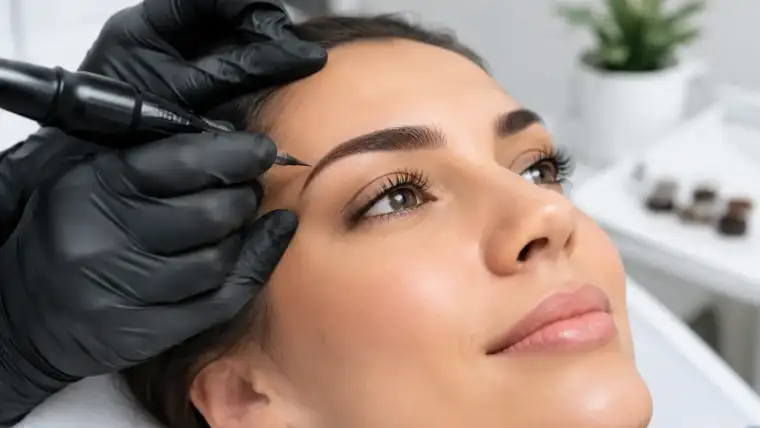
Plasma pen works differently. It uses a controlled electrical arc above the skin surface to create tiny carbon crusts in precise points. This process is designed to tighten and contract the skin, making it a more targeted option for concerns such as crepey skin, fine lines around the eyes, localised laxity and certain cosmetic skin irregularities.
So while both treatments support skin renewal, microneedling is generally more focused on texture and broad skin quality, while plasma pen is more focused on tightening and targeted correction.
When microneedling is usually the better choice
Microneedling tends to suit clients who want fresher, smoother, more refined skin without dramatically targeting one small area. It is often selected when the concern is spread across a larger part of the face, such as general dullness, post-acne texture, mild scarring or early signs of ageing.
For many clients, the appeal of microneedling is that it improves the overall look and feel of the skin. It can help the complexion appear more even, support firmer-looking skin over time and soften superficial textural issues. It is also often easier to incorporate into an ongoing skin maintenance plan because the downtime is typically more manageable than plasma pen.
That said, results are usually gradual. Microneedling is rarely a one-and-done treatment. Most people need a course of sessions, and the outcome depends on the starting point of the skin, age, healing response and consistency with aftercare.
Microneedling is often considered for:
Skin texture concerns, enlarged pores, acne scarring, superficial pigmentation appearance, overall rejuvenation and fine lines that are not primarily caused by significant skin laxity.
If your goal is smoother skin rather than stronger tightening, microneedling often makes more sense.
When plasma pen may be more suitable
Plasma pen is typically chosen when skin tightening is the priority. It is often used in smaller, more delicate areas where loose or crepey skin is the concern, particularly around the upper eyelids, under-eye area, crow’s feet, lip lines or other focused zones that can benefit from contraction.
This treatment can be appealing for clients who want a non-surgical approach to visible skin tightening. It is more targeted than microneedling and can create a more specific tightening effect in the right candidate. For some people, that makes it a stronger option for localised ageing concerns.
However, plasma pen is not the right fit for everyone. Downtime can be more noticeable, and aftercare needs to be taken seriously. The visible crusting during healing means it may not suit someone with a packed social calendar or anyone wanting a treatment with minimal interruption.
Plasma pen is often considered for:
Crepey eyelids, localised skin laxity, fine lines in small areas, smoker’s lines and selected cosmetic skin concerns where targeted tightening is the main goal.
If the issue is less about texture and more about excess looseness or wrinkling in a specific area, plasma pen may be the more effective option.
Downtime and healing: a major deciding factor
One of the biggest practical differences in microneedling vs plasma pen is healing.
After microneedling, the skin is usually red and may feel warm or tight for a day or two. Some clients experience mild flaking or dryness afterwards. In many cases, the skin settles relatively quickly, which is one reason microneedling is popular with clients who want visible skin improvement without extended downtime.
Plasma pen generally involves a more obvious healing phase. Small crusts form in the treated area and remain visible while the skin repairs. Swelling can also occur, especially around the eyes. Healing time varies, but the social downtime is often longer and more noticeable than microneedling.
Neither option should be chosen purely on convenience, but lifestyle does matter. If you have an event coming up, a public-facing role or limited ability to manage aftercare carefully, that may influence which treatment feels more realistic.
Comfort, sensitivity and treatment experience
Most clients want to know not only what a treatment does, but how it feels.
Microneedling is often described as tolerable, especially when topical numbing is used. The sensation depends on the area treated and the needle depth, but many people find it quite manageable.
Plasma pen can also be numbed, but because it targets precise points and often treats delicate areas, some clients find it feels more intense both during and after the procedure. There can also be more swelling and tenderness in the early healing phase.
This does not mean one is good and the other is bad. It simply means the treatment journey is different. A personalised consultation matters because pain tolerance, skin sensitivity and treatment goals all shape the best choice.
Which treatment gives better results?
This is where honesty matters. There is no universal winner in microneedling vs plasma pen because they are not trying to do exactly the same job.
Microneedling often gives better results for widespread textural improvement, skin refinement and collagen support across larger areas. Plasma pen may give better results for focused tightening in smaller zones where loose skin is the main issue.
It also depends on severity. If someone has acne scarring and uneven texture, plasma pen is unlikely to be the first treatment that comes to mind. If someone is worried about a crepey upper eyelid area, microneedling may not offer the level of targeted tightening they are hoping for.
The best result comes from matching the treatment to the actual concern, not the trendiest name or the treatment a friend happened to love.
Who may need extra caution
Not every skin type or concern is suitable for every treatment. This is especially important with advanced skin procedures.
Microneedling still requires careful assessment, particularly for active acne, compromised skin barriers, certain inflammatory skin conditions or a history of poor healing. Plasma pen needs even more selectivity because skin tone, healing behaviour, area treated and aftercare compliance can significantly affect outcome and safety.
For clients with deeper skin tones, a history of post-inflammatory pigmentation, or concerns such as melasma, treatment planning must be especially careful. In these cases, more aggressive is not always better. A slower, more tailored approach often protects the skin while still aiming for improvement.
At a premium clinic level, this is where experience makes a noticeable difference. A thoughtful practitioner will not simply ask what treatment you want. They will assess whether that treatment is genuinely appropriate for your skin.
Is it ever a matter of both?
Sometimes, yes – but not at the same time and not without a proper plan.
Because microneedling and plasma pen address different concerns, there are cases where both may play a role in a broader skin strategy. For example, one treatment might be used to improve overall texture and skin quality, while the other is reserved for a more specific tightening concern in a localised area.
The sequence, spacing and suitability need to be personalised. Skin should never be overloaded simply because multiple treatments are available. Good treatment planning is measured, conservative where needed and focused on healed results rather than quick promises.
How to decide between microneedling and plasma pen
A simple way to think about it is this. If you want overall skin rejuvenation, smoother texture, support for acne scarring or a fresher-looking complexion, microneedling is often the stronger option. If your main concern is localised loose skin, crepey texture in a small area or visible wrinkling that may benefit from tightening, plasma pen may be more appropriate.
The final decision should also account for downtime, comfort, skin type, age, healing behaviour and how realistic your expectations are. The right treatment is the one that suits your face and your goals, not just the one with the boldest before-and-after photos.
For many clients in Perth, a consultation is where the confusion clears. When your skin is assessed properly, the choice between microneedling and plasma pen usually becomes much more straightforward.
Beautiful skin results rarely come from choosing the most dramatic option. They come from choosing the most suitable one, then allowing time, healing and consistency to do their work.