Acne scars have a way of changing how skin catches the light. Often, that is what people notice first – not active breakouts, but the uneven texture left behind. Microneedling for acne scars is one of the most effective non-surgical options for improving that roughness, softening shallow pits and helping skin look smoother, fresher and more even over time.
What makes this treatment appealing is that it works with your skin rather than covering over the concern. There is no heavy, artificial finish. Instead, the goal is gradual refinement that still looks natural, which matters if you want visible improvement without looking overtreated.
How microneedling for acne scars works
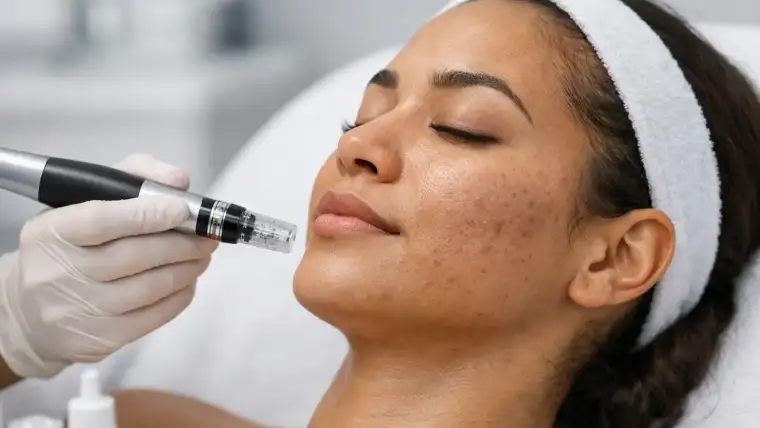
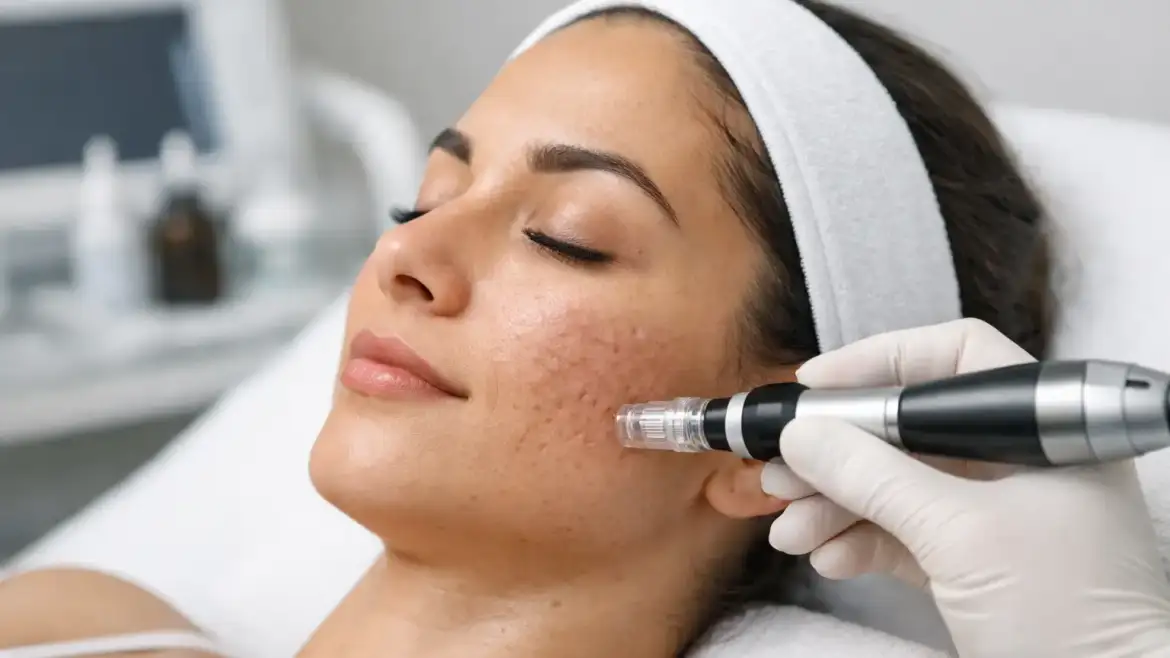
Microneedling uses a device fitted with very fine sterile needles to create controlled micro-injuries in the skin. That sounds more intense than it feels, especially when performed professionally with suitable preparation. These tiny channels trigger the skin’s natural repair response, encouraging collagen and elastin production.
For acne scarring, that collagen response is the key benefit. Many acne scars, especially atrophic scars, sit below the surrounding skin because collagen has been lost during the healing process. By stimulating new collagen, microneedling can help rebuild some of that support structure so the skin surface appears more even.
Results do not happen overnight. Skin remodelling takes time, and acne scarring usually improves across a series of treatments rather than after a single appointment. That slower, layered progress is often exactly why the end result looks elegant and believable.
Which acne scars respond best?
Microneedling can be very effective, but not every scar behaves the same way. Rolling scars and mild to moderate boxcar scars tend to respond best because they are caused by collagen loss and textural irregularity. When the goal is to soften edges, improve depth and create a smoother overall finish, microneedling is often a strong option.
Ice pick scars are more challenging. Because they are narrow and deep, they may not improve as much with microneedling alone. In some cases, combination treatment is more appropriate. Raised scars also need careful assessment, as stimulating the skin is not always the right approach.
Skin tone, scar age, current breakouts and overall skin health all matter too. If acne is still active and inflamed, it is usually better to calm that first before treating the scarring left behind.
What results can you realistically expect?
A realistic expectation is improvement, not perfection. This is one of the most important parts of any acne scar treatment plan. Microneedling can help scars look softer, shallower and less obvious, and it often improves general texture and radiance at the same time. Skin may also feel firmer and look fresher because of the collagen stimulation.
That said, deeper scarring usually needs multiple sessions, and even excellent progress may still leave some visible texture. The right treatment plan should aim for meaningful change that helps you feel more confident in your skin, not an unrealistic promise of flawless skin.
For many clients, the biggest shift is not that every mark disappears. It is that makeup sits better, bare skin looks smoother in natural light and the skin no longer draws the eye straight to the scarred areas.
What happens during treatment?
A proper appointment begins with assessment. Your practitioner should look at the type of scarring, the condition of your skin barrier, any pigmentation concerns and whether there is active acne, sensitivity or a history of slower healing. This step matters because treatment depth, spacing and aftercare should all be tailored rather than standardised.
On the day, the skin is cleansed thoroughly and prepared for treatment. The microneedling device is then passed over the target areas in a controlled pattern. Most people describe the sensation as prickly or scratchy rather than painful, though some areas can feel more sensitive than others.
Afterwards, the skin usually looks pink to red, similar to a mild to moderate sunburn. There may also be warmth, tightness and light swelling for a short period. This is a normal part of the early healing response.
Healing and aftercare
Healing is usually straightforward, but aftercare plays a major role in both comfort and results. The skin needs time to recover, and that means keeping things gentle. Harsh actives, vigorous exercise, excessive sweating, swimming and direct sun exposure are often best avoided for the first few days, depending on your practitioner’s advice.
Hydration and barrier support become especially important after microneedling. Skin can feel dry or slightly rough as it recovers, and picking or over-exfoliating can interfere with healing. Sun protection is essential as well, particularly if your skin is prone to post-inflammatory pigmentation.
Most of the visible redness settles within a few days, but the deeper collagen-building process continues for weeks. That is why results develop gradually and why spacing treatments properly is part of achieving a smoother, more refined outcome.
How many sessions do you need?
This depends on the depth and type of scarring, your skin response and how much improvement you are hoping to see. For mild acne scarring, a course of around three sessions may be enough to create a noticeable difference. Moderate to more established scarring often needs a longer plan.
Treatments are usually spaced several weeks apart to allow the skin to heal and remodel. Rushing that process does not improve results. In fact, giving the skin adequate time between appointments is one of the reasons a treatment series can work so well.
A personalised plan is always better than a fixed package that assumes every scar will respond the same way. Good treatment is thoughtful, not rushed.
Is microneedling safe for all skin tones?
Microneedling is often considered a versatile option across a broad range of skin tones, which is one reason it is so popular for acne scarring. Compared with some resurfacing treatments, it can carry a lower risk of pigment disruption when performed correctly. Still, lower risk does not mean no risk.
If your skin is prone to pigmentation, melasma or sensitivity, treatment needs to be approached carefully. Needle depth, skin preparation and aftercare all make a difference. This is where experience and clinical judgement matter, because the safest treatment is the one tailored to your skin rather than copied from someone else’s plan.
When microneedling may not be the right choice
There are times when microneedling should be delayed or avoided. Active cystic acne, open lesions, certain skin infections, some inflammatory skin conditions and compromised barrier function can all make treatment unsuitable in the short term. If you are using prescription actives or have recently had other resurfacing treatments, timing also matters.
There is also the question of expectations. If scarring is very deep, heavily tethered or combined with significant pigmentation, microneedling may be only one part of a broader treatment plan. That does not make it ineffective. It simply means the best approach is sometimes layered and strategic rather than relying on one treatment to do everything.
Choosing the right clinic matters
Acne scar treatment sits in that space where technical skill and aesthetic judgement need to work together. The treatment should be performed with attention to hygiene, safety, skin condition and long-term outcomes, not just short-term redness that makes it feel as though something dramatic has happened.
A good clinic will explain what microneedling can do, what it cannot do and how many sessions are likely to be worthwhile. It will also guide you through preparation and aftercare clearly so you feel informed rather than uncertain. At ELKA Clinic, that personalised approach is central to treatment planning because better skin results come from precision, not guesswork.
If acne scars have left your skin looking uneven long after the breakouts have passed, microneedling can be a thoughtful next step. The best results are rarely about chasing perfection. They come from choosing treatment that respects your skin, suits your features and helps you feel comfortable being seen up close.