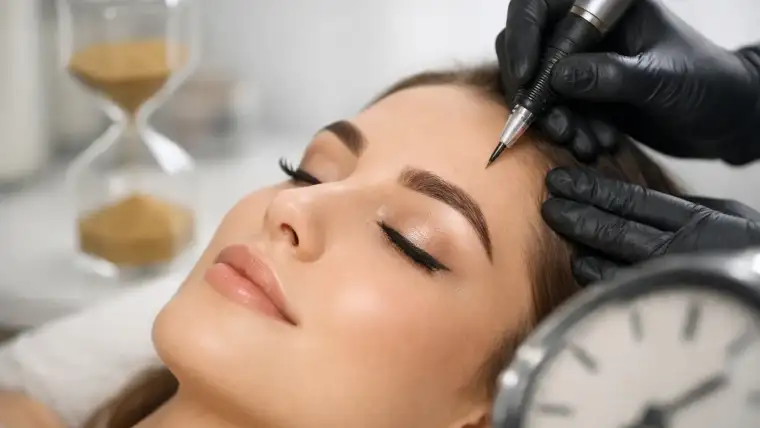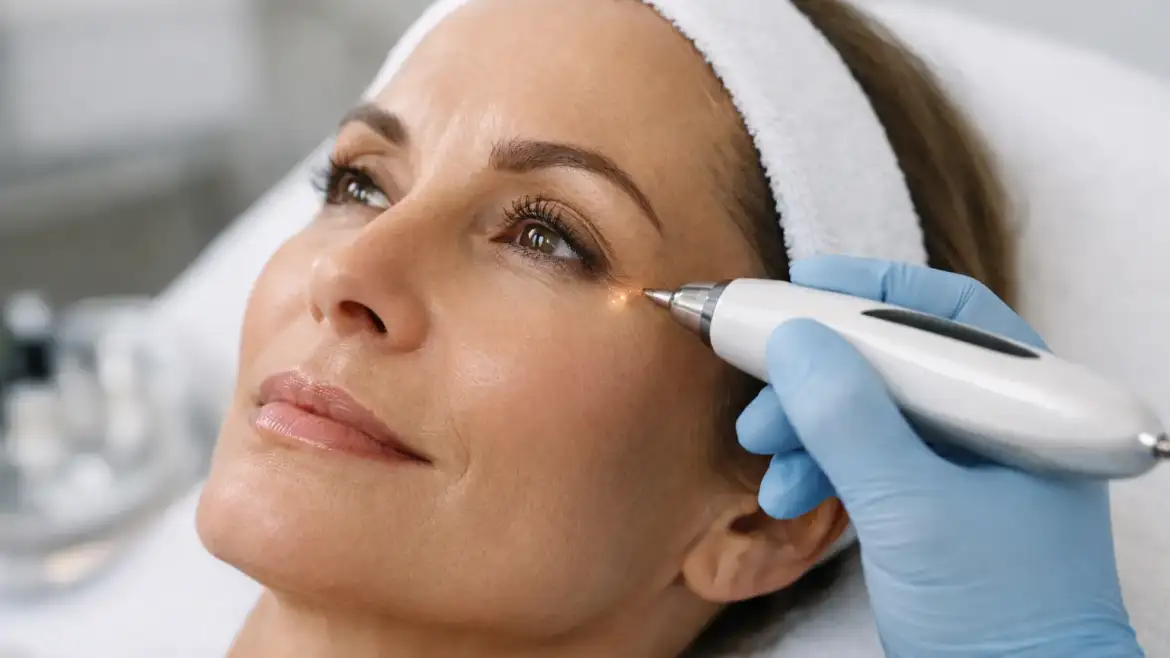
A plasma pen treatment creates a series of tiny, controlled surface points on the skin. That detail matters because the quality of the treatment is not simply about the device. If you are asking, is plasma pen safe, the most honest answer is that safety depends on appropriate suitability screening, practitioner skill, careful treatment planning and committed aftercare.
For the right person, treated conservatively by an experienced professional, plasma pen can be a considered option for improving the appearance of fine lines, lax-looking skin and selected cosmetic skin concerns. It is not a one-size-fits-all treatment, and it should never be approached as a quick fix.
Is plasma pen safe when performed professionally?
Plasma pen treatments use a controlled electrical discharge to create a small plasma arc just above the skin’s surface. This creates precise micro-injuries, which support the skin’s natural renewal process over time. During treatment, clients usually see tiny carbon crusts form at each point. These are an expected part of the healing process and must be left undisturbed.
When a suitable client is treated with appropriate settings, sterile single-use consumables and a clear aftercare plan, the procedure can be performed with a strong focus on safety. However, the word “safe” does not mean risk-free. Every skin treatment that deliberately stimulates renewal requires careful judgement before, during and after the appointment.
A premium treatment experience should include more than the procedure itself. It starts with a thoughtful consultation, an honest discussion of your skin, and a practitioner who is willing to say when plasma pen may not be the best choice for you.
Why practitioner experience matters
The skin around the eyes, mouth and forehead can be delicate, while other areas may be thicker or respond differently. Settings, spacing, treatment density and technique need to be adjusted with care. More intensity is not automatically better. Over-treating an area can increase downtime and may affect how evenly the skin heals.
An experienced practitioner plans the treatment around your individual skin characteristics, the area being addressed and the result you are hoping to achieve. This is particularly important for clients who want a refreshed, natural-looking result rather than an overly aggressive approach.
Professional hygiene also matters. The treatment space should be clean and organised, and any items that contact the treatment area should be sterile or single-use where appropriate. A careful practitioner will explain what to expect before treatment begins, check your comfort throughout the appointment and provide clear written aftercare.
At ELKA Clinic, plasma pen treatments are approached with the same philosophy applied to all advanced aesthetic services: precision, personalised planning and respect for the skin’s healing process.
Suitability comes before treatment
A consultation is where much of the safety decision is made. Your practitioner should ask about your skin history, previous reactions, current skin condition, lifestyle factors and any products or treatments that may affect healing. This conversation is not a formality. It helps determine whether treatment should proceed, be adjusted or be postponed.
Plasma pen is not suitable for every concern or every skin type. Some people may have a higher likelihood of prolonged redness, uneven pigment changes or raised scarring. Active irritation, compromised skin or a recent change in the area can also mean that waiting is the more sensible option.
If you are concerned about a spot, mole or changing skin lesion, it should be assessed by an appropriate health professional rather than treated cosmetically. Plasma pen is not intended to diagnose skin conditions or replace medical assessment.
A trustworthy practitioner will be transparent about limitations. Plasma pen may improve the appearance of particular concerns, but outcomes vary according to skin quality, treatment area, healing response and aftercare. No responsible clinic should promise identical results for every client.
Questions worth asking at your consultation
You should feel comfortable asking how the treatment is planned for your skin, what the expected healing stages look like and what result is realistic for the area being treated. It is also reasonable to ask about the practitioner’s training, hygiene protocols and experience with your skin type.
Pay attention to how the answers make you feel. Clear, measured guidance is a positive sign. If you feel pressured to proceed, if your questions are dismissed, or if dramatic results are promised without discussion of healing and risks, it is wise to pause.
Understanding the healing process
The appearance of the skin immediately after plasma pen is not the final result. Small dark crusts, redness, swelling and sensitivity can occur in the early healing period, especially in delicate areas. The skin needs time to settle, renew and reveal its longer-term response.
The crusts should not be picked, scrubbed or prematurely removed. Picking can interrupt healing and may increase the chance of unwanted marks or uneven colour. Your practitioner will give specific instructions based on the area treated, but gentle care and patience are central to a good outcome.
Sun protection is also particularly important while the area heals. Freshly treated skin can be more vulnerable to visible pigment changes with sun exposure. Following the aftercare directions carefully, including any guidance around products, heat, exercise and makeup, supports a more predictable healing journey.
Results develop gradually. The aim is not to force an overnight transformation, but to allow the skin to respond in a controlled and considered way. For clients who value refined results, this slower process is often part of the appeal.
Potential risks to understand honestly
Even with careful technique, skin treatments involve possible side effects and variable healing. Temporary redness, swelling, tenderness, dryness and small crusts are common parts of the early recovery period. Some clients may also experience prolonged redness, pigment changes, delayed healing, infection or scarring.
Risk can be influenced by individual skin behaviour, sun exposure, aftercare, treatment intensity and whether the procedure was appropriate in the first place. This is why a proper consultation and conservative planning are so valuable.
Do not rely on social media images alone when deciding whether plasma pen is right for you. Images taken immediately after treatment do not show healing quality, and edited images cannot reveal how the skin settled over the following weeks. Ask to understand the full process, including downtime and realistic outcomes, before making your decision.
How to make a safer plasma pen choice
Choose a clinic that treats consultation as essential, not optional. You should receive a personalised discussion rather than a generic recommendation based solely on a photograph. The practitioner should consider your treatment goals, skin characteristics and capacity to follow aftercare during the healing period.
It is equally important to plan treatment at a time when you can protect the area from sun exposure and avoid touching or disrupting the crusts. If you have a special event approaching, allow enough time for the visible healing phase and settling period rather than booking at the last minute.
Finally, be realistic about what you want to improve. Plasma pen can be useful for selected aesthetic concerns, but it is not designed to change every aspect of skin texture or laxity in one appointment. A measured plan often produces a more elegant result than trying to do too much at once.
The safest next step is a no-obligation consultation with a practitioner who will assess your skin carefully, answer your questions plainly and place your long-term result ahead of a rushed booking.