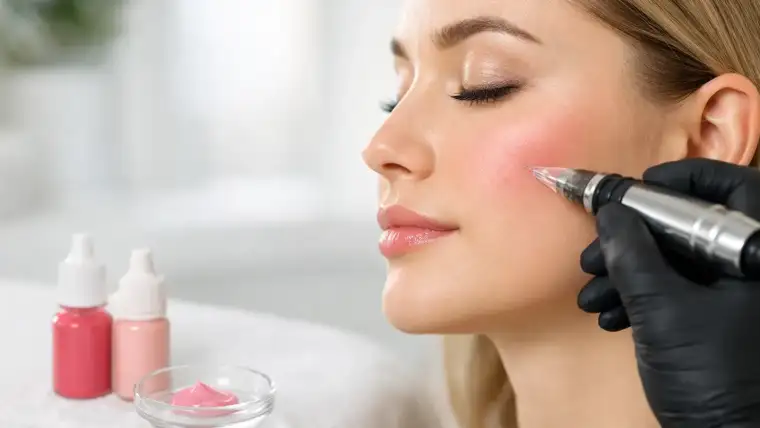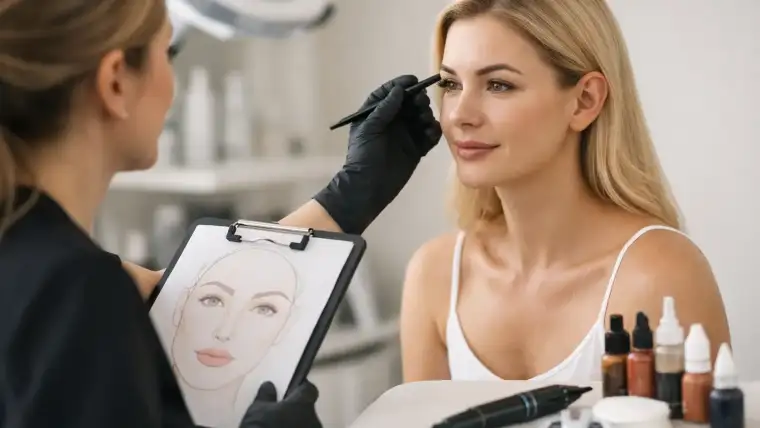
A great microneedling result rarely starts on the treatment bed. It starts in the days beforehand, with the small decisions that help your skin arrive calm, balanced and ready to respond well. If you have been wondering how to prepare for microneedling, the goal is not to do more. It is to avoid the things that can leave skin irritated, reactive or harder to treat.
Microneedling works by creating controlled micro-injuries in the skin to encourage collagen production and renewal. That process is highly effective for concerns such as uneven texture, enlarged pores, dullness, mild scarring and general skin rejuvenation, but the treatment is only one part of the picture. Your preparation affects comfort, healing and, in some cases, how safely your appointment can go ahead.
How to prepare for microneedling in the week before
The week leading up to your appointment is the time to simplify your routine. Skin that is over-exfoliated, sun-exposed or inflamed is rarely ideal for needling. Even if you are used to active skincare, your practitioner may advise pausing certain products so the skin barrier is not compromised before treatment.
In most cases, it is wise to avoid retinol, strong acids and physical scrubs for several days beforehand unless your clinician has told you otherwise. These products can increase sensitivity and leave the skin more reactive on the day. If you use prescription skincare, especially anything designed for acne or pigmentation, check your pre-care instructions carefully rather than guessing.
Sun exposure also matters more than many people realise. Fresh tanning, sunburn or skin that feels hot and irritated is not treatment-ready skin. If you are spending time outdoors, a hat and consistent sun protection are sensible in the lead-up to your appointment. This is particularly relevant in Perth, where even a short period in strong sun can leave the skin more vulnerable than expected.
Hydration is another quiet but important detail. Well-hydrated skin generally tolerates treatment better than skin that is dry, tight or flaky. That does not mean overloading your face with heavy products the night before. It simply means keeping your routine supportive and balanced, with gentle cleansing and a straightforward moisturiser suited to your skin type.
Skincare products to stop before microneedling
One of the most common questions around how to prepare for microneedling is which products need to be paused. The answer depends slightly on your skin, your treatment plan and the strength of the products you use, but a conservative approach is usually best.
Retinoids are often the first to be temporarily stopped because they can increase sensitivity and dryness. Exfoliating acids such as glycolic acid, lactic acid and salicylic acid may also need to be put aside for a few days. If you use benzoyl peroxide, grainy scrubs, peeling masks or strong brightening treatments, these may also be unsuitable just before needling.
It is also worth being careful with at-home devices. Facial brushes, dermaplaning, waxing, laser treatments and intense exfoliation too close to your appointment can leave the skin irritated before microneedling even begins. More treatment does not mean better preparation. Calm skin is usually the better starting point.
If you are unsure, the safest option is to ask your clinic for a pre-treatment guide based on your own skin history. Good preparation should feel clear and tailored, not vague.
What to tell your practitioner before treatment
Microneedling should always be customised, and that only happens when your practitioner has a full picture of your skin and health history. This is the stage where honesty matters more than trying to keep the appointment convenient.
Let your practitioner know if you are pregnant or breastfeeding, have had cold sores, are prone to keloid scarring, have a current breakout or rash, or are using prescription medications that affect the skin. Recent cosmetic treatments are important too, including injectables, laser, chemical peels or other skin procedures. Even if something seems unrelated, it may affect timing, healing or whether the treatment should be delayed.
Active acne, infection, open skin, dermatitis flare-ups or significant inflammation may mean your appointment needs to be rescheduled. While that can feel disappointing, it is often the right decision for both safety and results. Responsible skin treatment is never about pushing ahead at all costs.
The day before your microneedling appointment
The best thing to do the day before is keep everything calm. Avoid trying a new serum, having a strong peel, spending hours in direct sun or booking another facial because you want your skin to look extra polished. Over-prepping tends to backfire.
A gentle cleanse, simple hydration and a good night’s sleep are often more valuable than an elaborate skincare ritual. If you are feeling anxious, this is also a good time to make sure you understand the plan for the appointment, expected redness afterwards and any aftercare products you may need ready at home.
If you are prone to cold sores and your treatment area makes that relevant, speak with your practitioner in advance rather than waiting until the appointment. Preventive steps may be recommended depending on your history.
What to do on the day of treatment
On the day itself, arrive with clean skin and as little irritation as possible. Ideally, skip makeup, self-tanner and heavy skincare on the treatment area unless your clinic has advised otherwise. If you do come from work or another appointment, your practitioner will usually cleanse the skin thoroughly before beginning, but fresh, clean skin is still preferable.
It is also wise to avoid intense exercise, saunas and anything that overheats the body immediately beforehand. Increased heat in the skin can contribute to extra redness and sensitivity. If possible, choose comfortable clothing and allow yourself a little time afterwards rather than rushing straight into a packed schedule.
Some clients are surprised that preparation also includes practical planning. Depending on the depth and intensity of your treatment, your skin may look flushed for a day or two. If you have an important event the same evening, microneedling may not be the ideal treatment to book that day. A realistic timeline helps you feel more comfortable and less self-conscious during the early healing period.
What not to do before microneedling
There are a few common mistakes that can make skin less treatment-ready. The first is using too many actives in the belief that smoother skin will produce a better result. In reality, sensitised skin is more reactive and often less comfortable to treat.
The second is underestimating sun exposure. A mild tan or slight pinkness might not feel serious, but it can still influence how the skin responds. The third is failing to disclose relevant medication or skin history because you are worried your appointment may be postponed. A short delay is far preferable to a poor reaction or compromised healing.
It is also best not to arrive dehydrated, unwell or with broken skin from picking, squeezing or scratching. Microneedling is a controlled treatment. Healthy preparation supports that control.
Preparing for microneedling if you have sensitive or acne-prone skin
Sensitive skin does not automatically rule out microneedling, but it does mean preparation should be even more considered. If your skin reacts easily, your practitioner may recommend a longer pause on active ingredients and a very simple pre-treatment routine. Fragrance-heavy products, aggressive exfoliation and frequent product switching are especially unhelpful in this window.
For acne-prone skin, timing matters. Microneedling may be beneficial for post-acne scarring and texture, but active inflamed breakouts may need a different approach first. This is where an experienced clinic will look at the whole skin picture rather than treating needling as a one-size-fits-all solution.
Clients with melasma or pigmentation concerns also benefit from personalised planning. In some cases, overly aggressive treatment or poor pre-care can increase the risk of irritation-related pigment changes. Thoughtful treatment design is part of premium care, especially when long-term skin health is the priority.
Aftercare starts with good preparation
One of the easiest ways to improve healing is to prepare for aftercare before you even arrive. Have a gentle cleanser, a suitable moisturiser and any clinic-recommended post-treatment products ready at home. It helps to know in advance that you may need to avoid makeup, active skincare, heavy sweating and sun exposure for a short period afterwards.
This matters because rushed decisions often lead to poor ones. When clients feel prepared, they are less likely to apply the wrong product, touch the skin unnecessarily or return to normal skincare too early. Better healing usually comes from a calm, consistent approach rather than chasing a quick fix.
Microneedling can be an excellent treatment for skin renewal, but preparation should never be treated as a minor extra. When your skin is respected before the appointment, it tends to respond more predictably afterwards. If you are ever unsure how to prepare for microneedling, choose the option that protects the skin barrier, keep your routine simple, and ask questions early. Good skin decisions are rarely the dramatic ones.