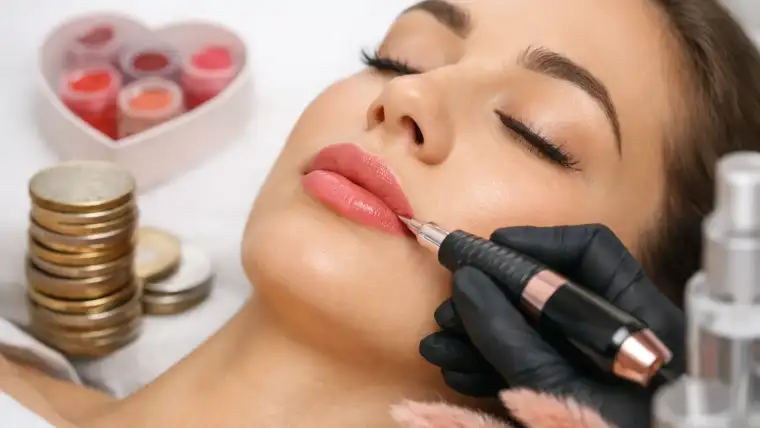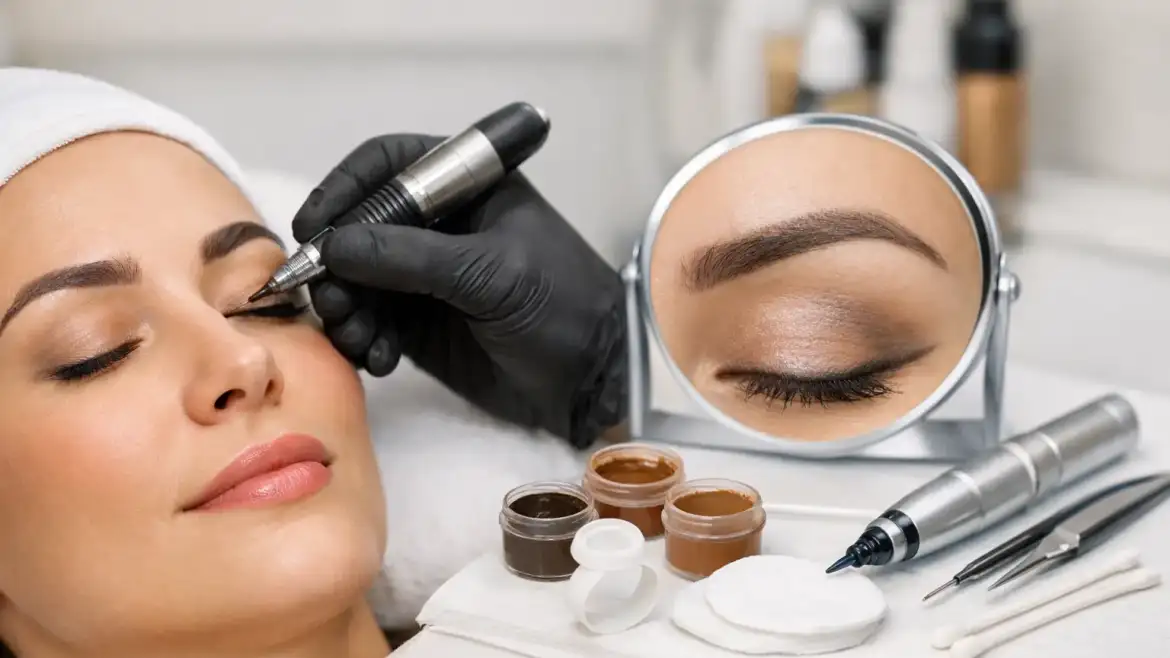
A cosmetic tattoo that once felt exciting can become a daily frustration when the shape sits too harshly, the pigment heals ashy, or the result no longer suits your face. This guide to cosmetic tattoo correction options is designed to help you understand what can be improved, what may need removal, and why the right plan should always be tailored to your skin, pigment history and long-term goals.
Corrective work is rarely a one-size-fits-all treatment. Brows, lips and eyeliner each heal differently. Skin type, previous pigment depth, age of the tattoo, scar tissue, sun exposure and even old touch-up history all affect what is realistically possible. A skilled correction plan begins with honesty, not promises.
What cosmetic tattoo correction actually means
When clients hear the word correction, they often assume it means a full reset. In practice, correction can involve several different approaches. Sometimes the existing tattoo can be softened and refined with fresh pigment placement. In other cases, the old work is too saturated, discoloured or misplaced, so some form of removal is the safer first step.
Correction may be suitable when brows have healed too blocky, too dark, too warm, grey or blue, when lip blush has faded unevenly, or when eyeliner has migrated or lost definition. It can also help when the original shape is slightly unbalanced but still workable. The key question is not whether the tattoo can be changed, but which method will give the most elegant healed result.
A guide to cosmetic tattoo correction options for different concerns
The best treatment depends on what has gone wrong and how much pigment remains in the skin. In many cases, correction falls into one of four pathways: colour correction, shape refinement, saline removal or glycolic acid removal. Some clients need only one. Others need a staged combination.
Colour correction
Colour correction is often used when the shape is acceptable but the tone has healed poorly. Brows can turn red, orange, grey or blue over time, particularly if the original pigment choice was unsuitable or applied too deeply. Lip tattoos can lose balance and heal patchy or cool-toned.
A correction appointment can sometimes neutralise unwanted tones by layering carefully selected pigment that restores a more natural appearance. This requires precision and restraint. Covering old colour is not simply about adding more pigment. Too much density can make the area heavier, less natural and harder to remove later if needed.
Colour correction tends to work best when the previous tattoo is faded enough to allow the new target shade to sit harmoniously. If the old pigment is very dark or heavily saturated, removal may still be recommended before further tattooing.
Shape refinement
Some cosmetic tattoos do not need to be removed entirely. They need better balance. Shape refinement can be appropriate when brows are slightly uneven, tails sit too low, the front of the brow feels too square, or the healed design no longer flatters the face.
This option works best when there is room to improve the outline without creating bulk. For example, adding softness, adjusting symmetry or refining a brow arch may be possible if the existing tattoo is light enough and positioned reasonably well. If a shape sits far outside the natural brow pattern or extends too heavily beyond where it should, adding more tattoo may only compound the problem.
This is why facial structure assessment matters so much. A good correction should not just hide an old issue. It should restore harmony and look believable once healed.
Saline removal
Saline tattoo removal is a popular option for cosmetic tattoo correction because it can help lift unwanted pigment gradually from the skin. It is commonly considered for brows, lips and small areas where the tattoo needs softening rather than instant erasure.
The process works by implanting a saline-based solution into the skin, encouraging pigment to rise and shed through the natural healing cycle. It is not always quick, and multiple sessions may be needed depending on the depth, age and composition of the pigment.
Saline removal can be useful for clients who want to lighten shape edges, reduce oversaturation or prepare the area for a future correction tattoo. It can also suit those for whom laser is unsuitable. The trade-off is patience. Results are progressive, and the skin needs time between sessions to recover properly.
Glycolic acid removal
Glycolic acid removal works on the same lifting principle as saline, drawing unwanted pigment upward through the skin’s natural healing cycle. Like saline it is gradual, usually needs several sessions spaced to allow full recovery, and suits clients who would rather lighten previous work without laser.
Laser removal — not offered at ELKA CLINIC
Laser removal is not one of our services. It is carried out by laser clinics, and it is worth understanding because it is sometimes the more suitable route. It works by breaking pigment particles into smaller fragments so the body can gradually clear them, and for significantly saturated or deeply implanted cosmetic tattoo it can reduce pigment faster than saline or glycolic acid.
Not every pigment responds the same way. Certain colours may shift temporarily before fading further, and delicate facial areas need careful assessment — eyeliner and lip areas in particular require caution and specialist judgement. Skin tone, pigment type and treatment history all matter, so that assessment belongs with a laser practitioner.
Where a client has had laser elsewhere to reduce intensity, we can often design a refined cosmetic tattoo over the result once the skin has recovered. Others choose removal because they want to return to a completely natural look, and in that case removal alone is the end of the process.
When correction is possible and when removal should come first
This is where experience matters most. If an old cosmetic tattoo is only mildly uneven or faded into an undesirable tone, correction may be enough. If it is too dark, too broad, poorly placed or built up from years of repeated touch-ups, adding more pigment can create a heavier result and leave less room for elegance.
A careful consultation should assess pigment saturation, undertone, scar tissue, skin integrity and natural hair pattern. Mature skin, oily skin and previously overworked skin may all respond differently. So can skin that has undergone repeated tattooing over many years.
Clients are often relieved to hear that correction is possible, but it is just as reassuring when a practitioner explains that removal first will lead to a better long-term outcome. The most trustworthy advice is not always the fastest option. It is the one that protects the final result.
The consultation matters as much as the treatment
Corrective cosmetic tattoo work is more complex than a standard new treatment. You are not starting with a blank canvas. You are working with existing pigment, healed skin behaviour and, often, a client who feels understandably cautious.
A thorough consultation should include a review of previous treatments, photos where possible, current pigment tone, skin condition and realistic goals. This is also the time to discuss how many sessions may be required and whether full perfection is realistic. In many correction cases, improvement is the goal, not absolute erasure.
That level of transparency helps clients make informed decisions without pressure. It also creates safer, more predictable outcomes.
Healing expectations after correction or removal
Healing can vary significantly depending on the method used. A colour correction or shape refinement will usually follow a familiar cosmetic tattoo healing cycle, with some initial intensity before the pigment settles softer. Removal methods, particularly saline and glycolic acid, may involve a different recovery pattern and often require longer spacing between appointments.
It is important not to rush the process. Skin that is repeatedly treated without adequate healing time can become more reactive and harder to work with. Correction is often as much about timing as technique.
Aftercare also matters. Keeping the area clean, dry where advised, protected from sun exposure and free from picking is essential. A beautifully planned correction can still be compromised by poor aftercare or unrealistic touch-up timing.
Choosing the right practitioner for cosmetic tattoo correction
If you are researching a guide to cosmetic tattoo correction options, you are likely already aware that not all corrective work is equal. This is an area where advanced judgement, colour theory, restraint and healed-result experience matter deeply.
Look for a practitioner who is comfortable explaining when correction is suitable and when it is not. You want someone who values natural outcomes, understands facial balance and does not rush to tattoo over problematic work simply to offer a quick fix. Before and after results are helpful, but so is the quality of the consultation itself.
In a premium clinic setting, correction should feel measured, personalised and realistic. It should never feel like guesswork.
Cosmetic tattoo correction can be transformative, but the best results usually come from a calm, staged approach rather than a dramatic one. When the plan respects your skin, your features and the limits of the existing tattoo, the outcome is far more likely to feel soft, balanced and genuinely confidence restoring.