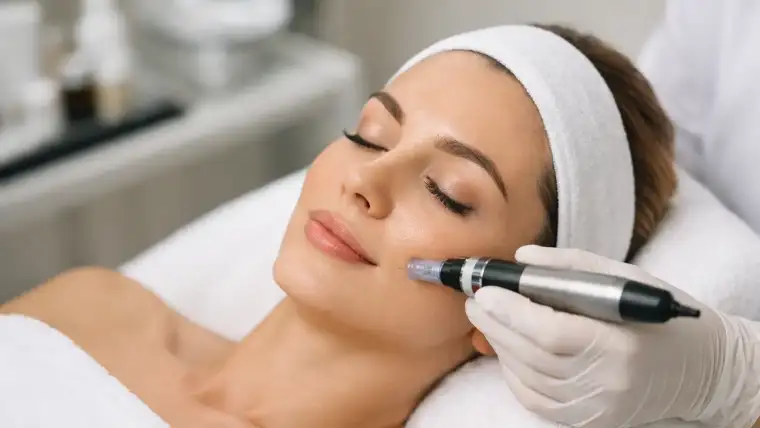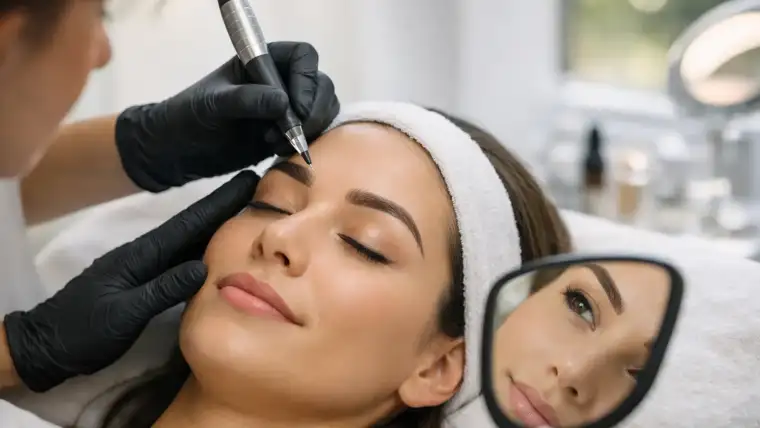
A cheek blush treatment can sound like the answer to a permanently fresh, softly flushed complexion. The reality is more nuanced. Unlike brow or lip cosmetic tattooing, pigment placed through the cheek area needs exceptional restraint, careful colour selection and a realistic understanding of how skin changes over time. When the goal is natural-looking enhancement, the consultation matters just as much as the technique.
What is a cheek blush treatment?
Cheek blush treatment generally refers to placing a soft wash of cosmetic pigment into the upper cheek area to create the appearance of a gentle, naturally rosy flush. Rather than a defined block of colour, the intended result is usually sheer and diffused, sitting where the complexion naturally appears brighter and more lifted.
It is often discussed alongside other cosmetic tattoo services because it involves pigment and a precise application method. However, cheeks are a very different canvas from brows or lips. The area is broad, mobile and exposed to regular skincare, sun and changing complexion tones. A result that appears delicate immediately after treatment still needs to heal softly and remain harmonious with the client’s skin over time.
For this reason, cheek pigment should never be approached as a replacement for daily colour cosmetics or as a trend-driven treatment. The most refined approach is subtle enough that it supports the face rather than becoming the first thing others notice.
Why cheek pigment requires a conservative approach
A pleasing cheek colour is rarely one-dimensional. Natural flushes vary with warmth, lighting, activity and the underlying tone of the skin. Cosmetic pigment, by contrast, is designed to remain visible after healing. This creates a key trade-off: the more noticeable the colour is at the start, the greater the chance it may feel too strong, too fixed or less suited to the complexion later.
Skin also does not hold pigment identically from one area to another. Texture, oil production, sensitivity, previous sun exposure and individual healing can all influence how colour settles. On the cheeks, where the surface area is larger, even a small variation in colour retention or placement can be more apparent.
That does not mean a soft cheek enhancement is automatically unsuitable. It means the treatment design needs to be highly individual. A person who prefers minimal beauty enhancement and wants a barely-there warmth may have very different expectations from someone used to a fuller, more sculpted colour effect. Honest conversations about both preferences are essential before any pigment is placed.
The value of an understated colour choice
The most timeless cheek tones tend to complement the client’s natural undertone rather than compete with it. A pigment that looks beautiful in a photograph or on another person may not heal with the same softness on your skin. The right shade should work with your natural complexion on an ordinary weekday, not only when you are dressed for an event or wearing additional cosmetics.
This is especially relevant for mature skin. A softer, carefully considered tone can bring a sense of warmth and balance, while a colour that is too bright, cool or heavily saturated may draw attention to the cheek area in a way that does not feel elegant. The aim is refined definition, not a fixed cosmetic look.
What a thorough consultation should consider
A premium cosmetic tattoo consultation is not simply about selecting a colour from a chart. It should explore how you like to look day to day, the products you use regularly and the level of visibility you are comfortable with once the skin has healed.
Facial structure is part of the conversation too. Cheek colour can visually alter the balance of the face depending on where it is placed. A higher, softer placement may read very differently from colour carried towards the centre of the face. Symmetry is considered, but natural faces are not perfectly symmetrical, so the treatment plan should respect the individual rather than chase an overly uniform result.
Your skin condition on the day also matters. A responsible artist will assess whether the area is calm and suitable for treatment and discuss any factors that may affect comfort, healing or colour retention. This is not about making promises that every skin type will heal in the same way. It is about planning conservatively, setting clear expectations and putting skin integrity first.
At ELKA Clinic, this individual planning is central to every cosmetic tattoo decision. Clients are encouraged to ask questions, discuss their concerns openly and choose an approach that feels appropriate for their features, lifestyle and long-term preferences.
The healing period is part of the result
Freshly placed pigment does not show the final healed colour. The area may appear warmer or more pronounced at first, then soften as the skin recovers. This can be unsettling for anyone expecting an immediate, finished appearance, which is why clear pre-treatment guidance is so valuable.
The healing process is also one reason subtle initial design matters. Cosmetic tattoo results develop gradually, and the skin’s response can differ between individuals. A considered treatment plan leaves room for the natural settling process rather than relying on intense colour at the outset.
Aftercare should be specific to the treatment and explained directly by the practitioner. Following those instructions carefully helps protect the treated area while it settles. It is also sensible to plan around occasions when you would prefer not to have visible temporary changes during the early healing stage.
Is cheek blush cosmetic tattoo for everyone?
Not necessarily. The best cosmetic treatments are not the ones everyone has, but the ones that genuinely suit a person’s goals. If you enjoy changing your cheek colour with seasons, outfits or different beauty looks, a permanent or semi-permanent approach may feel too limiting. Likewise, if you want a distinctly sculpted or high-colour finish, a subtle pigment treatment may not meet that expectation in a natural-looking way.
Some clients are better suited to enhancing other features first. Softly designed brows can restore frame and facial balance, while lip blush can bring gentle definition and evenness to the lips. These treatments usually have more established design principles and can create a polished effect without adding fixed colour across a broad area of the face.
There is also a difference between wanting to look more rested and wanting visible cheek colour. The first goal may be achieved through a range of personalised aesthetic choices, while the second requires careful thought about how a pigment tone will feel months and years from now. A good practitioner will not pressure you to proceed simply because a treatment is possible.
Questions worth asking before you decide
Before booking any cheek blush treatment, ask how the artist plans to assess your undertone, facial proportions and natural skin texture. Ask what healed softness is realistic, how the placement is mapped, and what the process allows for if colour retention differs across the area.
It is also worthwhile asking to see healed examples rather than relying only on fresh treatment images. Fresh pigment can appear more vivid and defined than the final result, whereas healed work offers a clearer indication of the artist’s restraint, colour judgement and ability to create natural-looking enhancement.
Most importantly, be clear about what you do not want. If you are concerned about looking overdone, say so. If you want an effect that remains discreet in daylight and without additional cosmetics, that should shape the entire treatment plan. The right provider will treat this information as essential, not incidental.
A cheek blush treatment deserves the same care as any other facial enhancement: thoughtful design, a light hand and respect for how your skin and features will evolve. When you choose subtlety over a short-lived trend, the most beautiful result is one that still feels unmistakably like you.